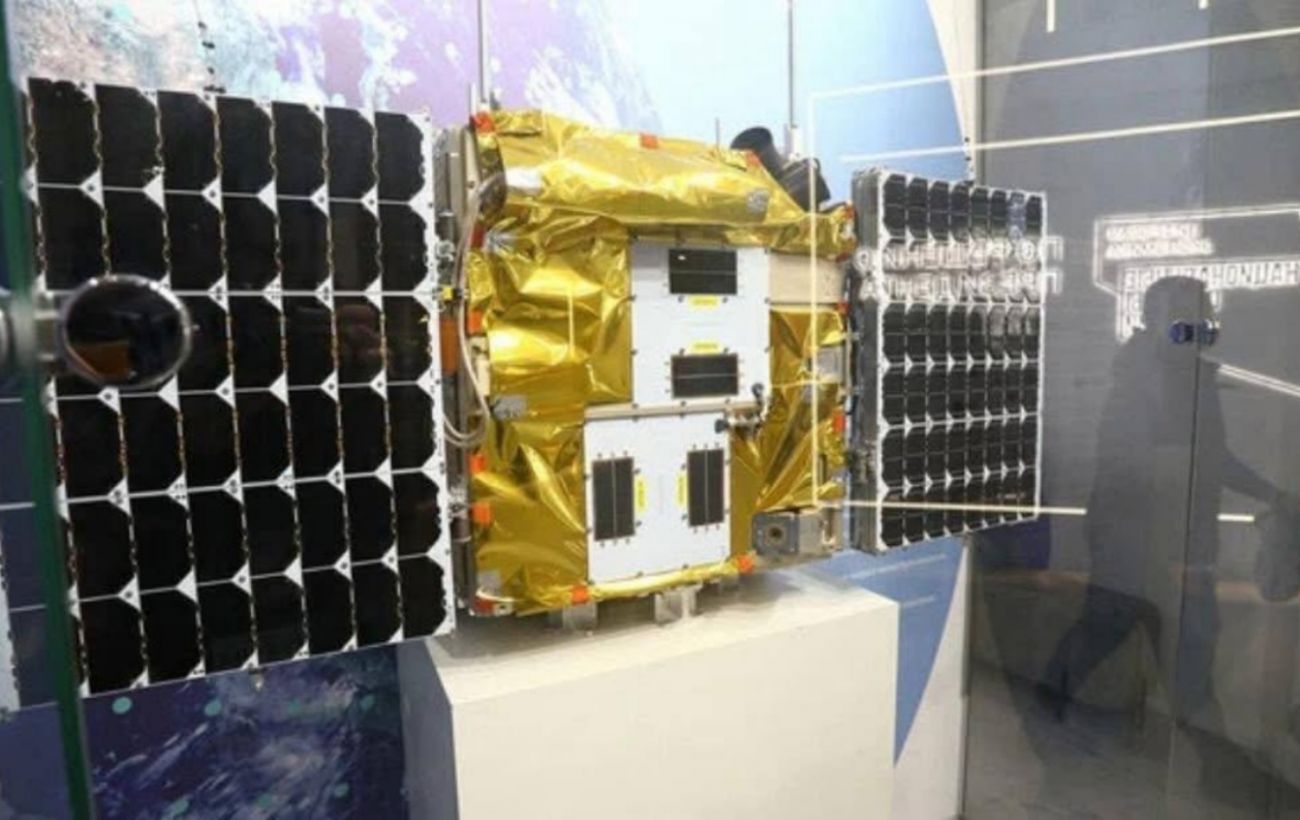
Russia has initiated the deployment of its own satellite internet system, named ‘Bureau 1440’, which aims to provide high-speed internet similar to Starlink. The first batch of 16 ‘Rassvet’ satellites is currently in orbit and undergoing testing.
Experts note that Moscow recognizes the significance of fast data transmission via low-orbit satellites, suggesting that the development of such a system is a matter of time. Currently, while 16 ‘Rassvet’ satellites are operational, a minimum of 200 to 250 satellites will be necessary for stable communication.
The plan includes launching a total of 300 satellites initially, with an additional 700 to follow. However, timelines and figures are subject to change, as highlighted by specialist Serhii Flash.
The potential threat posed by these satellites is limited at present. Each satellite passes over Ukrainian territory approximately once a day, capable of facilitating high-speed data transmission for about 6 to 10 minutes. Although theoretically, adversaries could deploy satellite terminals on drones like the ‘Shahed’ to coordinate attacks during these brief windows, the logistical challenges make this impractical.
Flash emphasizes that until there is a sufficient number of satellites in orbit for reliable communication, full military utilization of the ‘Rassvet’ system remains unfeasible. Any military application would likely be detectable through satellite traffic, intelligence data, or captured equipment.
Regarding why Ukraine has not targeted this project, Flash explains that there is currently no evidence of military use, which has led to a lack of countermeasures. He also dismisses the notion of Ukrainian drone strikes on Russian spaceports such as Plesetsk, Vandenberg, and Baikonur as unrealistic.
Previously, reports indicated that Russia was attempting to create its own version of Starlink but faced technical challenges and a lack of necessary satellite infrastructure, which has forced them to rely on smuggled Starlink terminals from third countries.
In January 2026, the European Union began launching its own IRIS2 network, a €10.6 billion initiative aimed at providing an alternative to Starlink and reducing Europe’s dependency on the United States.
Russia has launched its 'Bureau 1440' satellite internet system, with 16 satellites currently in orbit. Experts discuss the implications for military use and the challenges faced in establishing a reliable network.