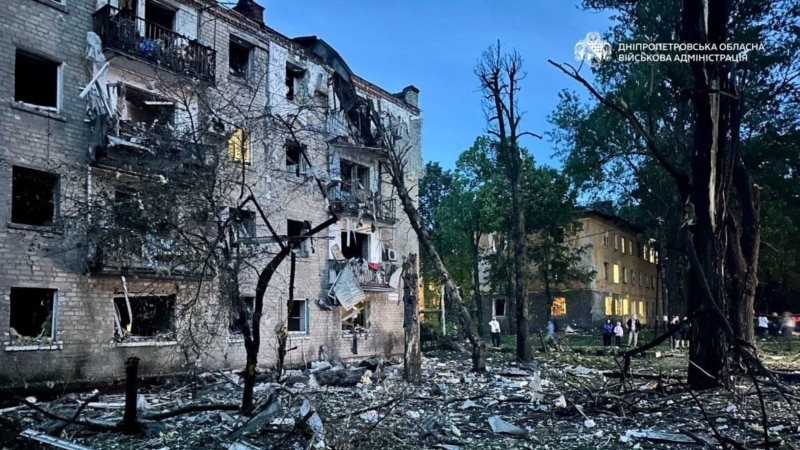
On Sunday, May 31, Russian military forces launched an attack on the city of Dnipro, as confirmed by Oleksandr Hanha, the head of the regional military administration. The assault ignited a fire in the area.
Hanha later specified that the blaze affected a logistics company’s warehouse and nearby parked vehicles. This incident is part of a broader pattern of attacks by Russian forces, who have been targeting Ukrainian cities and civilian infrastructure using various types of weaponry, including drones and missiles.
Ukrainian authorities, along with international organizations, have categorized these strikes as war crimes, asserting that they are deliberate in nature. The attacks on essential services and healthcare facilities aim to deprive civilians of electricity, heating, water supply, communication, and medical assistance, which some officials describe as genocidal actions.
In contrast, Russian leadership denies that their military is intentionally targeting civilian infrastructure, claiming that such assertions are unfounded. They reject accusations of causing civilian casualties or damaging hospitals, schools, and essential utilities.
The recent attack on Dnipro by Russian forces has resulted in significant damage and is viewed by Ukrainian officials as part of a systematic targeting of civilian infrastructure. This ongoing conflict raises serious concerns regarding war crimes and humanitarian violations in the region.