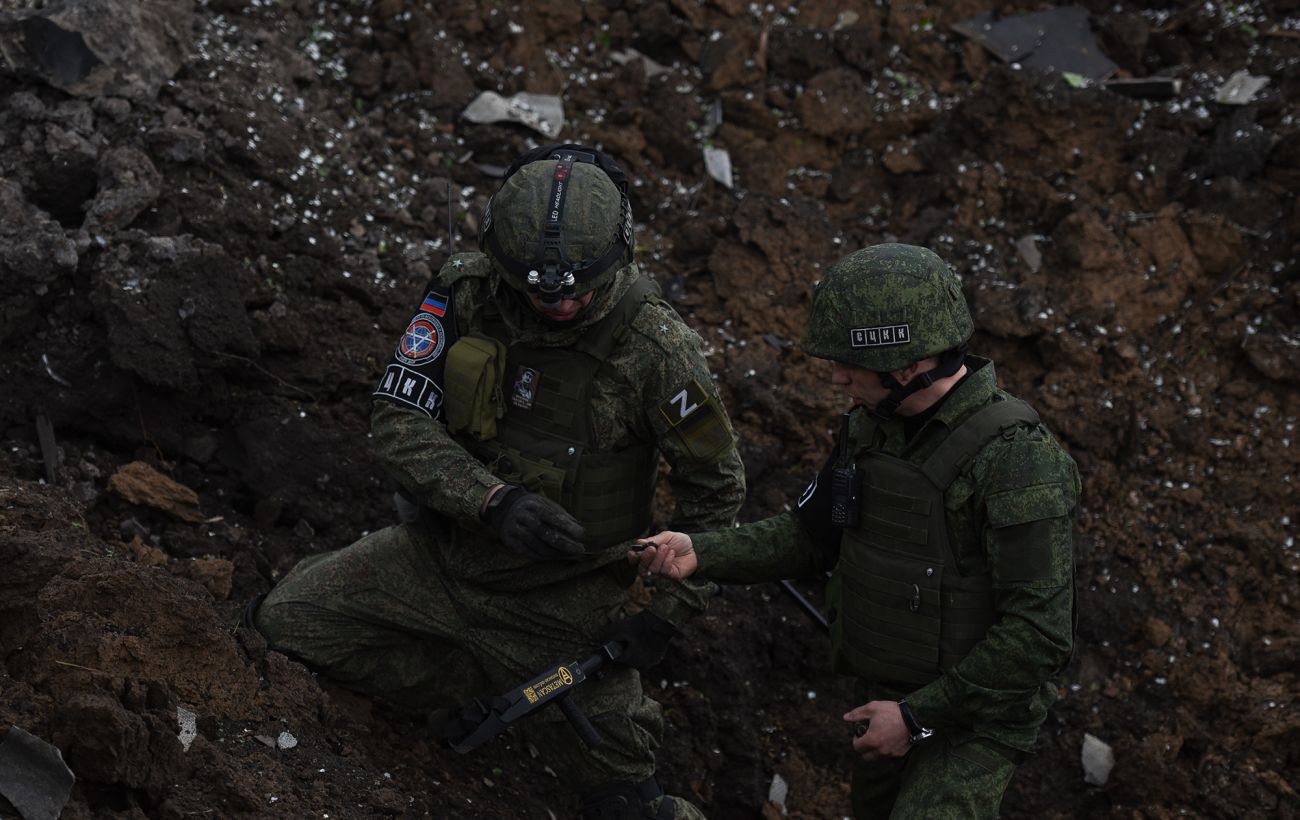
Ukrainian forces have effectively countered Russia’s strategy of numerical superiority by utilizing drones and medium-range strikes to inflict damage on Russian troops and equipment at a faster rate than Moscow can replenish them.
Shift in Tactical Advantage
Since the onset of the full-scale invasion, Russia has relied on overwhelming military numbers to subdue Ukraine. However, this approach is proving ineffective as Ukrainian forces gain a tactical edge through drone operations across the front lines.
Reports indicate that effective reconnaissance by Ukrainian drones has neutralized the penetration tactics that Russian forces had relied on in previous months, as acknowledged by military bloggers supporting the Kremlin.
Key Supply Routes Targeted
In the spring of 2026, Ukraine intensified its medium-range strikes, resulting in significant disruptions along vital transportation routes connecting mainland Russia to occupied Crimea, particularly the M-14 highway. These routes, crucial for moving supplies between the occupied southern regions and Donetsk, are now under constant fire control.
Ukrainian Defense Minister Mykhailo Fedorov has referred to this situation as a “logistical blockade.” The Ukrainian government is increasing funding for its most effective drone units while also opening tenders for new acquisitions. Analysts suggest that even if Russia were to announce mobilization, new recruits may struggle to reach the front lines safely.
Volunteer Recruitment Challenges
Financial incentives aimed at boosting recruitment are yielding diminishing returns. President Putin recently signed a decree forgiving debts up to 10 million rubles for individuals who sign a contract with the Ministry of Defense for at least one year starting May 1. Nevertheless, interest in joining the military appears to be waning.
According to the Institute for the Study of War (ISW), Moscow is now looking for recruits from new demographics, including women and students, to fill positions in drone units and air defense roles to protect the rear.
Political Risks of Mobilization
Announcing a forced mobilization poses significant political risks for the Kremlin. In mid-2025, the public was more accepting of the war, partly due to some military advances. The current situation, however, is markedly different. ISW analysts note that with no significant victories, a struggling economy, and substantial losses, mobilization could provoke widespread discontent and threaten the regime itself.
Ukrainian forces have successfully undermined Russia's military strategy by leveraging drones and precision strikes, significantly disrupting supply routes. As recruitment challenges grow and political risks mount for mobilization, the situation on the ground continues to evolve.