NATO is currently engaged in complex discussions regarding its future support for Ukraine, with some member states opposing fixed contributions for aid to Kyiv.
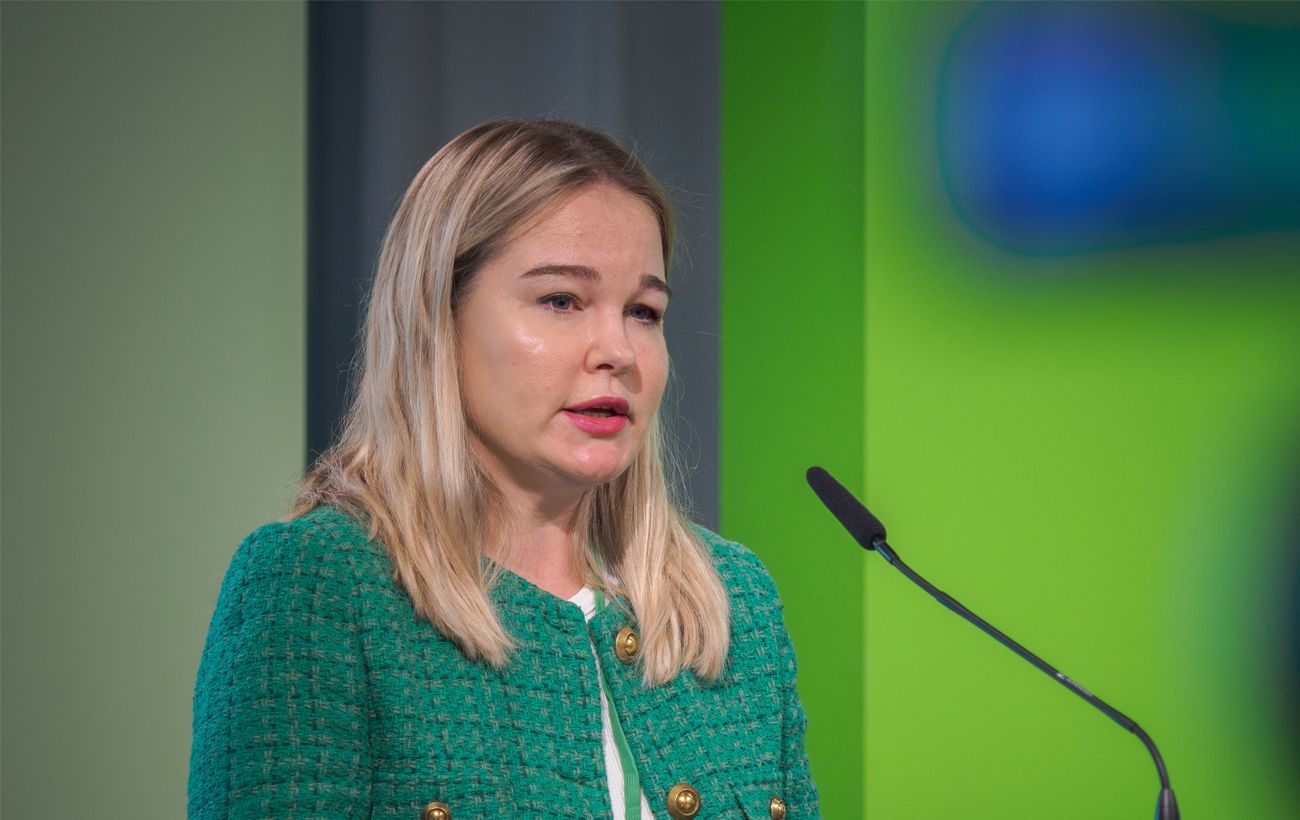
According to the Ukrainian ambassador to NATO, the Alliance is entering the final phase of preparations for the upcoming summit in Ankara, where support for Ukraine is expected to be a key topic.
A significant point of contention is NATO Secretary General Mark Rutte’s proposal for member states to allocate 0.25% of their GDP to assist Ukraine. The ambassador noted that seven NATO countries have either met or exceeded this funding level.
“It is clear that these seven countries support this idea, along with some others. However, there are nations that prefer to have more flexibility and do not want fixed commitments regarding support for Ukraine. They are looking for an alternative approach,” she explained.
Despite these differing views, assistance to Ukraine has been officially designated as one of the three main priorities for the NATO summit.
“We are among the summit’s priorities. This is why there is such an active discussion about how this support should be measured and formalized,” the ambassador stated.
She further elaborated that while the 0.25% GDP proposal has not gained traction in its current form, it has sparked a broader conversation about how to ensure that support for Ukraine is “sustainable, predictable, and substantial.”
“Perhaps the Secretary General intentionally set a high bar. However, this discussion has been initiated, and it is important to determine how to ensure that support for Ukraine is formalized and remains significant. I would even say quantifiable, so that it is at a certain numerical level,” the head of the Ukrainian Mission to NATO added.
The ambassador also emphasized that time is limited for reaching a compromise, as the NATO summit is only six weeks away, and some countries are reluctant to agree on specific figures or percentages for funding.
A complex and delicate discussion is taking place regarding the distribution of financial responsibilities among NATO countries. “It is not reasonable that this year, of all the declared contributions for military aid to Ukraine, two countries will cover nearly half of all contributions,” she pointed out.
A similar situation exists with the PURL program, where fewer than ten countries are effectively shouldering the burden.
However, she noted a positive aspect: the rigid establishment of the 0.25% benchmark was not supported, as it could have created a ceiling for countries already providing more assistance to Ukraine.
“This way, we will not demotivate countries that have already reached or exceeded the 0.25% threshold from continuing their contributions. If the 0.25% had been fixed, it would have set a certain ceiling. Those who can help us the most have already surpassed this level,” she explained.
According to her, these countries will continue to be the main donors of military support to Ukraine. “Therefore, we do not need to stop or limit them, as we will continue to reach out for new contributions,” the ambassador concluded.
NATO is deliberating its support for Ukraine ahead of the upcoming summit, with discussions focusing on the proposed 0.25% GDP contribution. While some nations seek flexibility, the need for a sustainable funding model remains a priority.