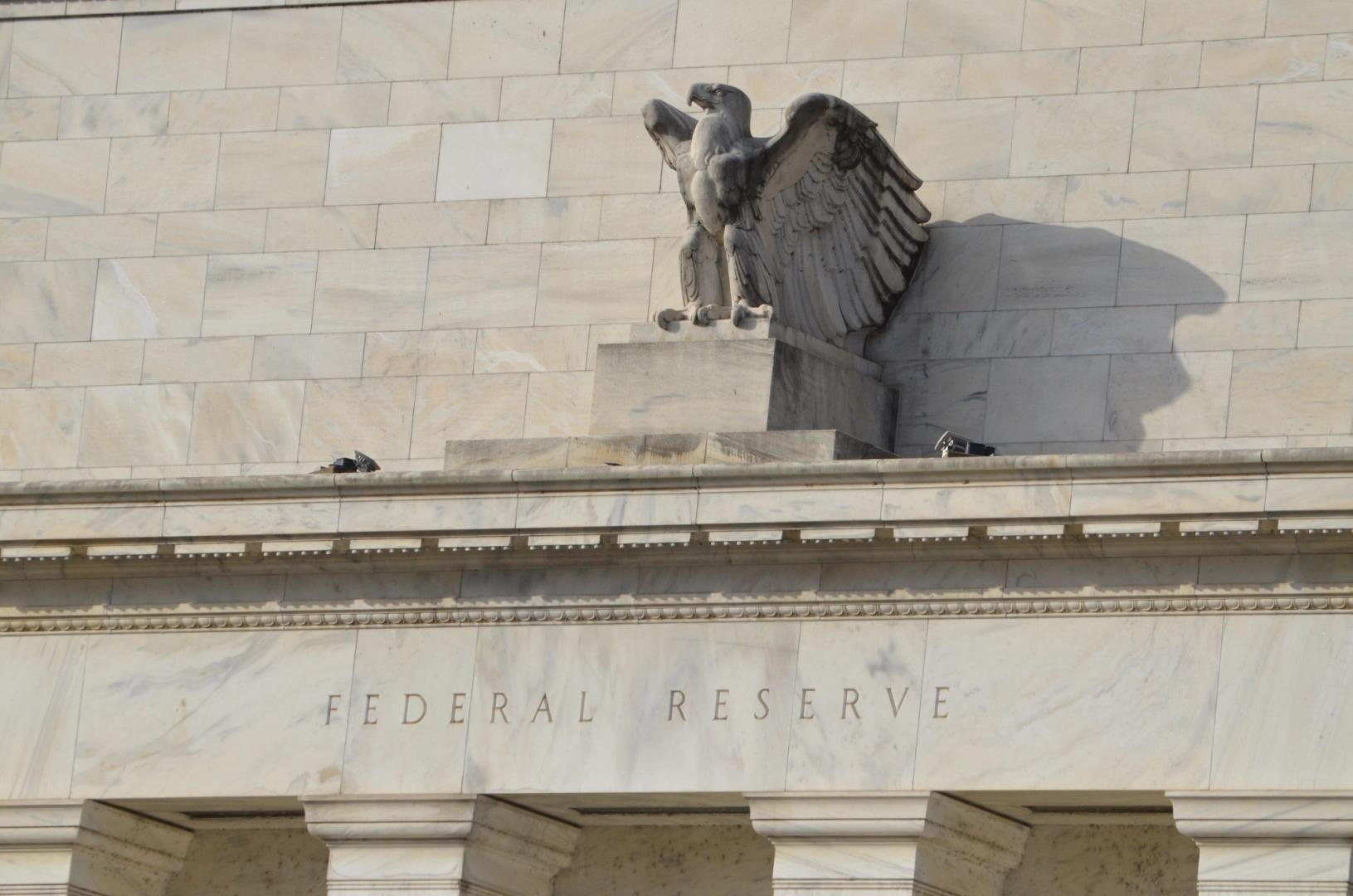
This past week marked significant developments in the integration of cryptocurrency into the U.S. financial system. The Federal Reserve published an updated proposal for a “skinny” master account, while President Donald Trump signed executive orders aimed at enhancing the relationship between digital assets and existing payment networks.
On Tuesday, President Trump issued two executive orders. One order calls for a comprehensive review of existing regulations to facilitate the integration of cryptocurrency into payment systems. The second order mandates the Treasury Department and other regulatory bodies to reinforce the Bank Secrecy Act (BSA) regulations.
The Federal Reserve’s proposal, released the following day, builds upon a request for information first issued in December 2025. It outlines the central bank’s vision for granting access to its payment systems for fintech and cryptocurrency firms without necessitating full banking charters from the Office of the Comptroller of the Currency.
The executive order focusing on fintech instructs federal regulators to assess current policies governing financial institutions. This review aims to identify regulations that may hinder fintech firms from collaborating with established financial entities. Additionally, the order directs the Federal Reserve to evaluate its treatment of uninsured depository institutions regarding access to payment accounts.
Part of this evaluation involves Federal Reserve member banks determining whether they can independently provide payment accounts to various entities. However, the Fed’s ability to implement these changes may require legislative action from Congress to clarify the types of entities eligible for such accounts.
The second executive order, which emphasizes the BSA, instructs the Treasury Department and regulators to issue guidance to financial institutions. The order states, “My Administration will not tolerate national security and public safety risks caused by illicit cross-border financial activity.” It also addresses concerns related to payroll tax evasion and the use of unregistered money services businesses.
While the order does not explicitly mention cryptocurrency or decentralized finance platforms, experts suggest that these entities could be affected by the forthcoming guidance. Nicholas Anthony, a research fellow at the Cato Institute, noted that the Treasury has broad authority under the BSA to apply regulations as it sees fit.
In parallel, the Senate Banking Committee has advanced the Clarity Act, which is expected to be considered by the full Senate in the coming month. However, the timeline for this legislation has been complicated by the Senate’s recent recess and ongoing negotiations regarding funding for the Department of Homeland Security and other pressing issues.
The Senate has a limited number of working days before the summer recess, with only 19 days available in June and 15 in July. During this period, legislators must address various legislative priorities, including the renewal of the Foreign Intelligence Surveillance Act, which is set to expire in mid-June.
As discussions continue over these legislative matters, the future of the Clarity Act and its implications for the cryptocurrency industry remain uncertain. The White House has yet to clarify its position on the ethics provisions included in the market structure bill, adding further complexity to the negotiations.
In summary, the recent executive orders and the Federal Reserve’s updated proposal signal a potential shift in the regulatory landscape for cryptocurrency in the United States. As the government seeks to integrate digital assets into the existing financial framework, the outcomes of these initiatives will be closely monitored by industry stakeholders.
Recent executive orders from President Trump and an updated proposal from the Federal Reserve signal a significant shift towards integrating cryptocurrency into the U.S. financial system. These developments may reshape regulatory frameworks and access to payment systems for digital asset firms.