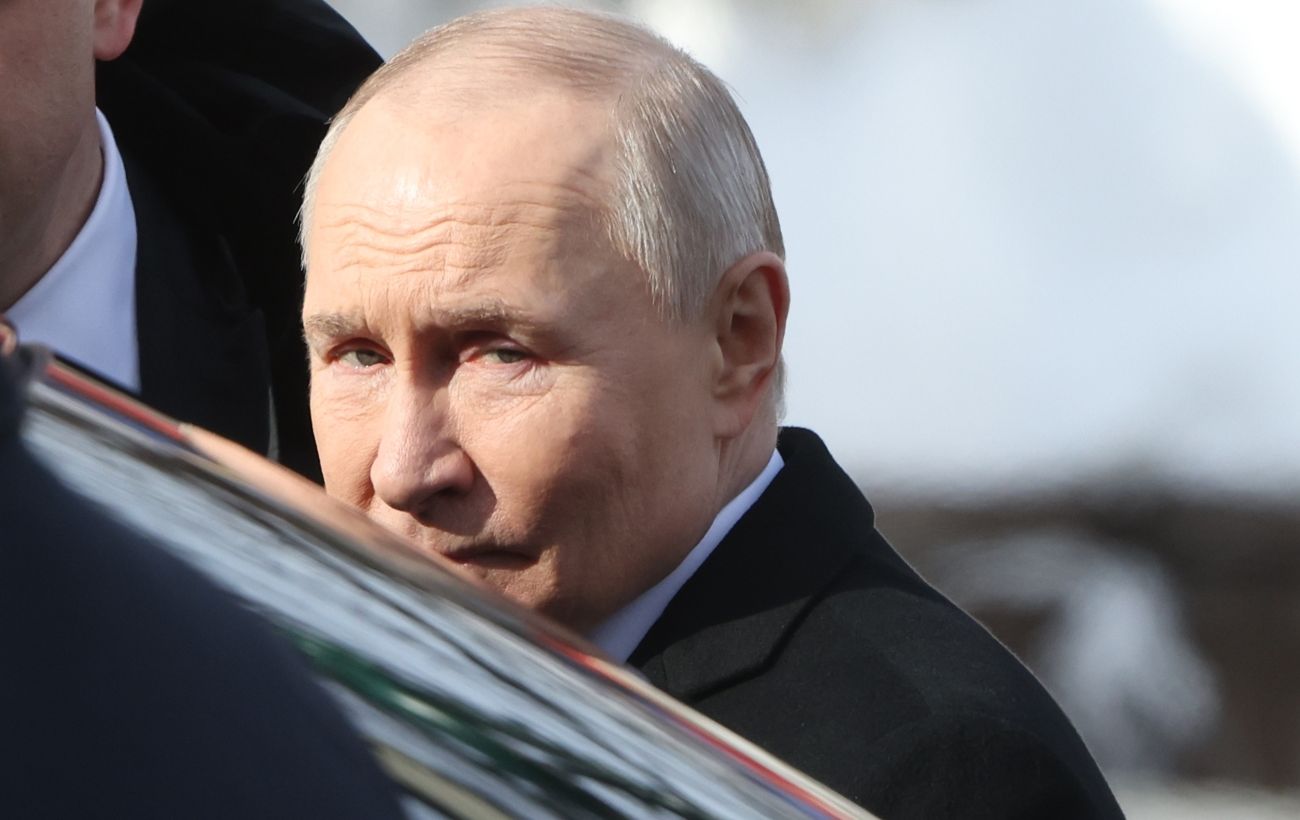
Recently, Russian President Vladimir Putin suggested the possibility of concluding the war in Ukraine. This statement comes amid significant challenges faced by Russian forces both on the battlefield and in their support structures.
Putin’s comments have raised numerous questions regarding their implications. Analysts have identified five key factors that may have influenced his remarks.
Loss of Battlefield Initiative
Historically, Russia had been making incremental territorial gains, which fostered a perception of an impending Ukrainian defeat. However, this trend appears to be reversing, with Russian forces losing momentum. Ukraine’s recapture of Kupiansk in December surprised many Western experts, particularly as Moscow had previously claimed control over the city just a month earlier. The disruption of communications, including the shutdown of Starlink services, has hampered Russian operations. Additionally, restrictions on Telegram for military personnel have further complicated their coordination efforts.
Ukrainian forces have regained over 100 square kilometers in the Zaporizhzhia region alone. In April, Russia experienced its first net territorial losses since August 2024, marking a significant shift in the conflict’s dynamics.
Depleting Human Resources
Another contributing factor is the dwindling manpower available to Russian forces. Over the past five months, casualties among Russian soldiers have exceeded the number of new recruits. Reports indicate that approximately 35,000 Russian soldiers were either killed or wounded in March and April, primarily due to drone strikes.
Economist Yanis Kluege analyzed regional budgets in Russia, revealing that only 800 to 1,000 individuals are joining the military daily, translating to 24,000 to 30,000 recruits monthly. Dmitry Medvedev, a close ally of Putin, confirmed this trend, noting that over 80,000 individuals registered in the first quarter. Putin is reportedly wary of initiating another round of mobilization, as the previous wave in 2022 sparked significant social unrest.
Attacks on Oil Infrastructure
Ukrainian strikes targeting Russian oil refineries have also impacted Kremlin revenues. While a recent spike in oil prices has temporarily bolstered the Russian economy, by March, oil exports generated only $19 billion for Moscow. The Kremlin requires nearly $1 billion daily just to sustain its military efforts. Although high oil prices currently provide some financial stability, the situation remains precarious. Should the U.S. and Iran reach an agreement, prices could plummet, delivering a severe blow to the Russian budget.
Ukraine’s Advancements in Drone Technology
Ukraine’s growing self-reliance in military technology is another crucial factor. Previously dependent on Western supplies such as F-16s and Patriot missiles, Ukraine is now investing in its own technological advancements. Drones are being deployed to strike targets thousands of kilometers from the front lines, including recent attacks on a factory in Perm.
New, cost-effective interceptor missiles have emerged, alleviating some pressure on the limited supply of Patriot systems. In March alone, Ukrainian forces reportedly shot down 33,000 drones, doubling the number from February. Moreover, Ukraine has begun exporting its drone technology to countries like Saudi Arabia, Qatar, and the UAE, heightening concerns in Moscow, even prompting security measures in the Russian capital.
Diplomatic Maneuvering and U.S. Politics
Lastly, the potential influence of former U.S. President Donald Trump cannot be overlooked. Putin may be attempting to persuade Trump to exert pressure on Ukraine to concede territory in the Donetsk region. This proposal was initially made during a summit in Alaska, where Trump did not endorse it. Now, Putin appears to be exploring new avenues, even hinting at involving former German Chancellor Gerhard Schröder.
Despite these diplomatic overtures, Moscow’s appetite for territorial gains remains unchanged. Yuri Ushakov, a senior Kremlin official, stated that peace negotiations are impossible without the withdrawal of Ukrainian forces from the entire Donbas region. Putin’s rhetoric seems aimed at shifting the dialogue with the White House while preparing the ground for potential negotiations.
Reactions to Putin’s Statements
Ukrainian President Volodymyr Zelensky believes that external pressures may have prompted Putin to consider negotiations. He emphasized the need for a secure format to end the conflict, stating, “We have prepared for meetings, and we must find a way to conclude this war securely.”
Experts from the Institute for the Study of War note that, while Russian state media portrayed Putin’s comments as an indication of a swift end to the conflict, there were no clear signs that Moscow is ready to cease its aggression.
Putin's recent comments on the potential end of the Ukraine war reflect significant challenges faced by Russian forces, including battlefield losses and dwindling manpower. Analysts identify key factors influencing his statements, including Ukraine's technological advancements and the impact of U.S. politics.