Recent analysis by Kir Giles, a researcher at Chatham House’s Russia and Eurasia program, indicates that the Russian military is evolving its approach to combat in Ukraine. The forces are gradually moving away from large-scale assaults in favor of more discreet tactics.
For over four years, Russia has attempted to gain ground through sheer numerical force, deploying large contingents to overwhelm Ukrainian defenses. This strategy has resulted in significant casualties and limited success. Estimates suggest that approximately 1.3 million Russian soldiers have been wounded or killed, with around 325,000 fatalities.
The battlefield dynamics have shifted considerably. The increased use of drones allows for the rapid identification of troop concentrations, while electronic warfare capabilities hinder coordination among Russian forces. Ukrainian forces have also become adept at anticipating enemy movements.
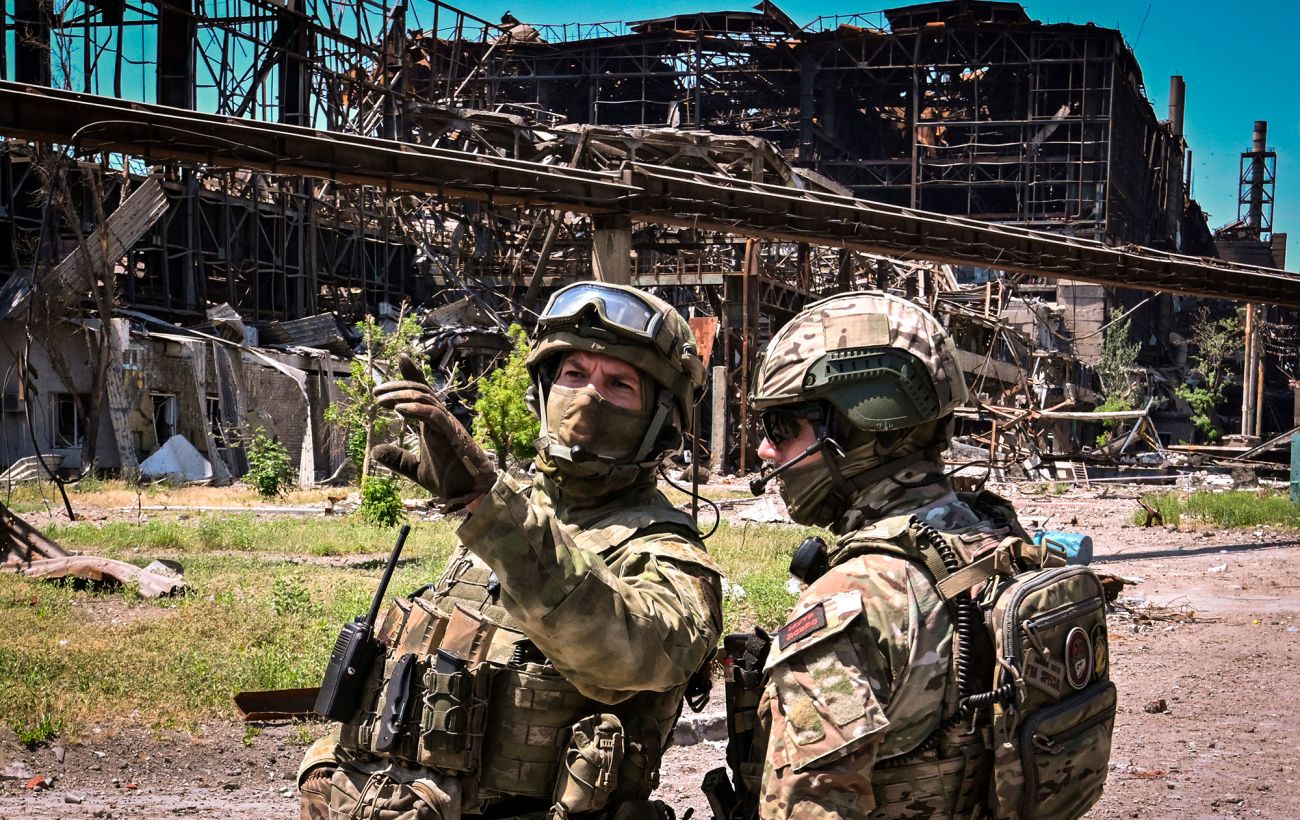
In response, Russian units are increasingly operating in small groups, sometimes consisting of just two to four soldiers. These teams primarily move on foot, often at night, minimizing communication and seeking to infiltrate vulnerable points in the Ukrainian defenses.
“The shift away from ‘meat grinder’ or ‘human wave’ attacks represents the latest evolution in the nature of combat,” noted Giles.
Analysts suggest this new model emphasizes slow and concealed advances rather than open assaults. The primary objective of these small groups is to establish a foothold behind enemy lines and gradually build up forces for subsequent strikes.
These teams operate autonomously, often receiving guidance from drones that assist in target identification and movement coordination. Despite these tactical changes, the effectiveness of such operations remains limited. Analysts point out that rapid breakthroughs are unlikely; instead, the focus is on slow progress with minimal territorial gains and substantial losses.
“It is impossible to breach defenses with such small groups. Only a slow, gradual advance is feasible,” remarked an expert.
The ongoing aerial surveillance and the threat of swift counterstrikes render large attacks ineffective. This reality compels the Russian military to adapt to new conditions, where technology and stealth play crucial roles in their operations.
The Russian military is shifting its combat strategy in Ukraine, moving from large-scale assaults to smaller, stealthier operations. This evolution reflects the changing dynamics of warfare, influenced by technological advancements and the need for more covert tactics.
Source: Chatham House