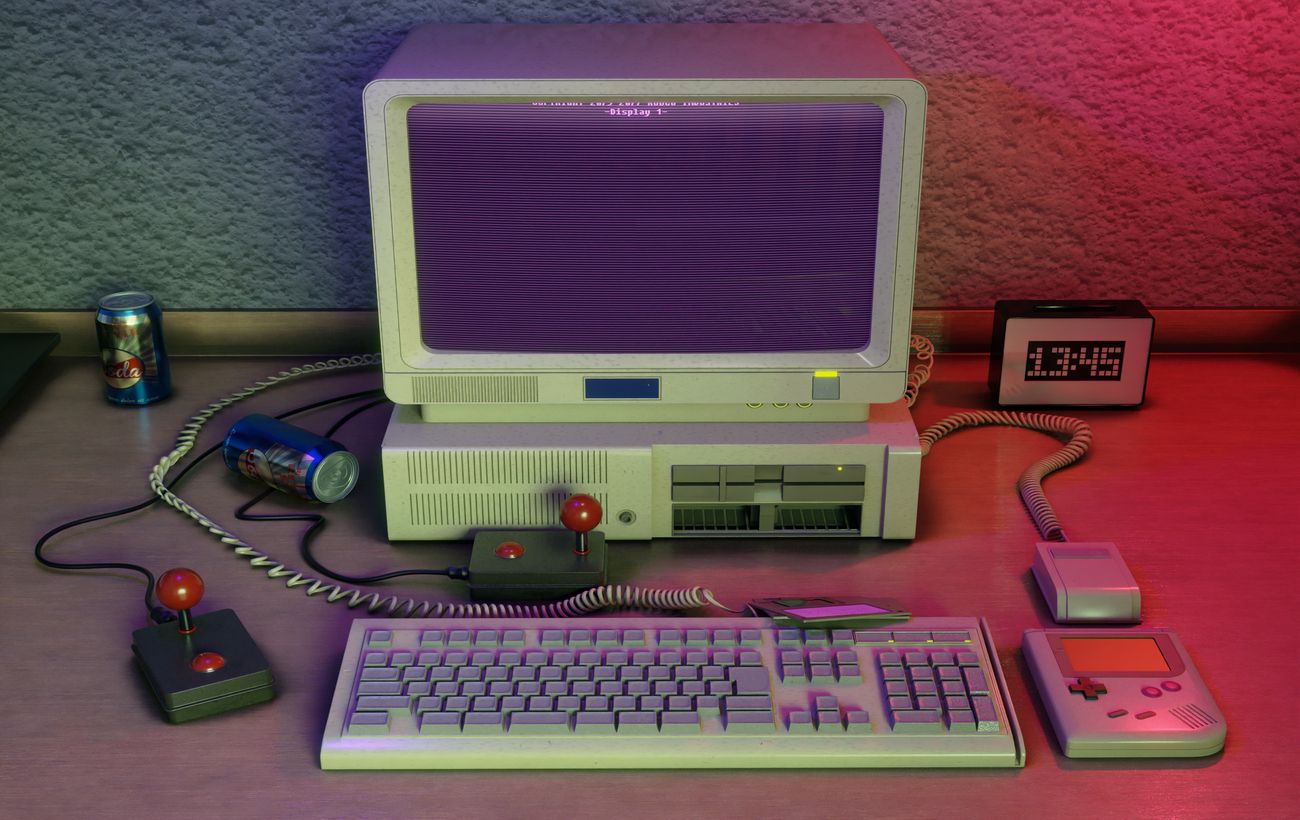
The 1990s marked a significant era in personal computing, characterized by bulky hardware and innovative technologies that laid the groundwork for today’s digital landscape. From CRT monitors to dial-up modems, these devices shaped the user experience in ways that are often nostalgic for those who lived through it.
CRT Monitors
Before the advent of flat-screen displays, cathode ray tube (CRT) monitors dominated the market. These devices were heavy, energy-consuming, and took up considerable desk space. The technology involved an electron gun firing beams onto a phosphorescent screen, creating images line by line. While they have been largely replaced by sleek OLED and LED screens, some gamers still seek out CRT monitors for their unique retro visuals.
Dial-Up Modems
The distinctive sound of dial-up modems is etched in the memories of many. These devices converted digital data into analog signals for transmission over standard telephone lines. A common frustration was that any phone call could disrupt an internet connection, halting file downloads. Although speeds of 56 kbps seem inadequate by today’s standards, they represented a significant leap into the digital age at the time.
Floppy Disks
The 3.5-inch floppy disk was once the standard for file transfer, capable of holding a few documents and simple images. However, their magnetic coating was fragile, making data loss a frequent concern. Today, floppy disks are often seen as a retro symbol, replaced by USB drives and cloud storage solutions.
Ball Mice and PS/2 Keyboards
Before USB technology became prevalent, computer mice operated with a rubber ball inside that required regular cleaning. Keyboards connected through round PS/2 ports, and any accidental disconnection necessitated a computer restart. Modern optical sensors and Bluetooth technology have eliminated these inconveniences.
Optical Drives
The introduction of CD-ROMs in the 1990s revolutionized data storage, allowing a single disc to hold as much information as hundreds of floppy disks. Later, these drives enabled users to create custom music compilations and photo archives. However, most new laptops no longer include optical drives, as streaming and digital downloads have taken precedence.
Video Cables
VGA cables were the standard for transmitting analog signals, while DVI cables emerged as a bridge to the digital era, offering clearer images on early monitors. Today, HDMI and DisplayPort cables provide high-definition video and audio through a single, slim connection.
ISP CDs
In the 1990s, many households received free CDs from internet service providers, which contained software for setting up internet connections. These CDs often promised potential customers a limited number of free hours online. Today, connecting to Wi-Fi is as simple as scanning a QR code or entering credentials provided by the service provider.
Sound Cards
In the past, motherboards lacked the capability to produce quality audio. Users needed to purchase separate sound cards to achieve stereo or even 3D sound in games. Nowadays, most motherboards come equipped with built-in audio capabilities that meet the needs of the average user.
Wired Speakers
Before built-in speakers became common in monitors, external speakers were essential for audio output. These speakers required power and often involved a tangle of wires. Today, smart speakers and integrated audio systems have streamlined desktop setups.
TV Tuners
In the pre-Netflix era, TV tuners allowed users to convert their computers into televisions, enabling them to watch and record broadcast content. Now, virtually all television programming is accessible through web browsers or streaming applications.
Zip Drives
Zip drives emerged as a solution for users needing to transfer larger files, offering capacities ranging from 100 to 750 MB. However, they quickly fell out of favor as CD-Rs and USB flash drives became more affordable and convenient.
Infrared Ports
Infrared ports were an early method for wireless file transfer between computers and mobile devices, requiring close proximity for successful data exchange. Today, technologies like AirDrop and cloud services allow for rapid data transfer without the need for direct line-of-sight.
The 1990s introduced a range of technologies that transformed personal computing, from CRT monitors to dial-up modems. While many of these devices have been replaced by modern alternatives, they remain a significant part of computing history.