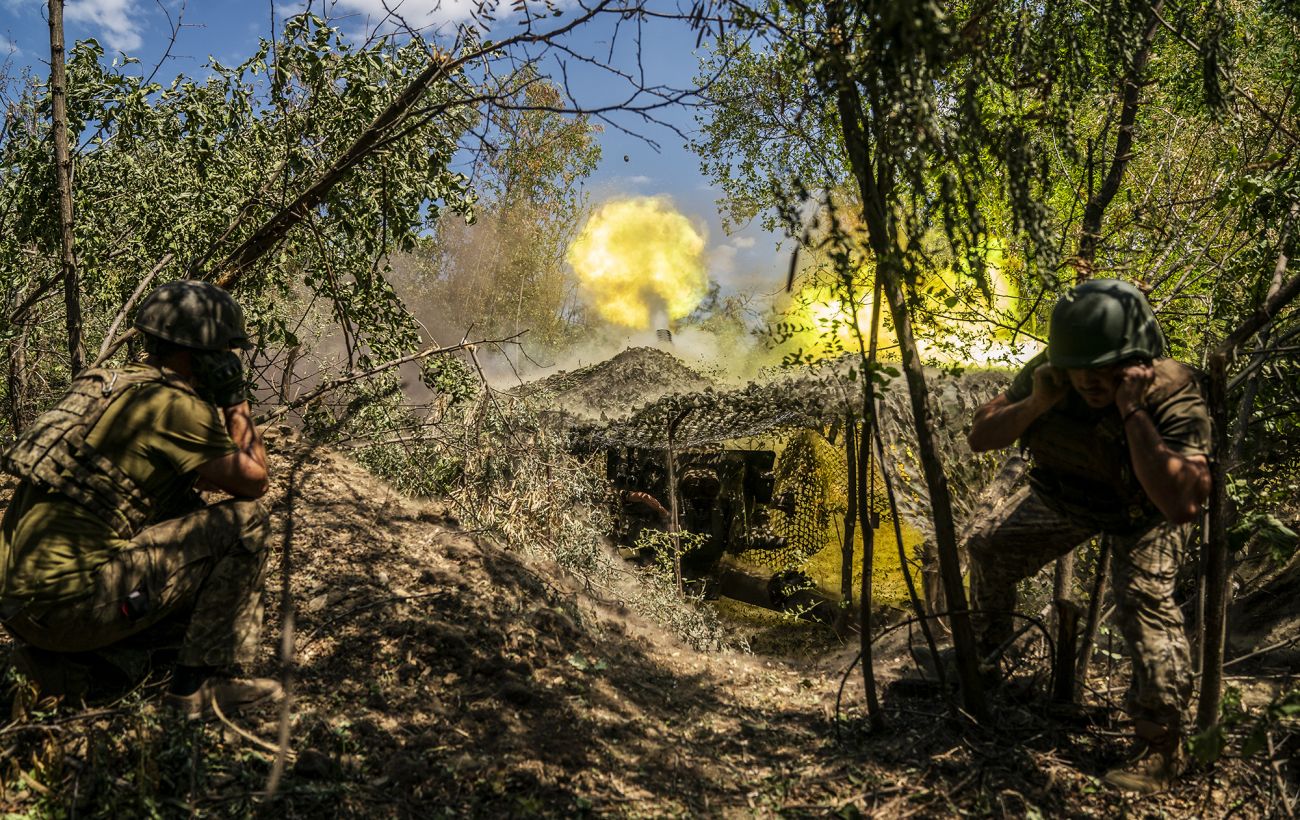
Recent reports indicate a reduction in the intensity of combat operations by Russian forces over the past two days. However, this decline does not suggest a shift in their strategic objectives.
According to military analyst Trehubov, the number of combat engagements has decreased from several dozen to fewer than ten. He characterized this reduction as a temporary situation, asserting that Russian forces will continue their attempts to advance.
Trehubov noted that the Russian General Staff remains focused on the occupation of the Donbas region while also seeking to intensify operations in other areas. He highlighted ongoing pressure from Russian troops in the Sumy and Kharkiv directions, particularly efforts to advance towards Kupiansk and establish a so-called “control zone” along the border.
In a related development, the Main Intelligence Directorate of Ukraine reported that Russia is preparing for a new offensive in southeastern Ukraine, mobilizing strategic reserves. An additional 20,000 servicemen are expected to be deployed to strengthen the occupying forces.
The Center for Countering Disinformation has indicated that the Kremlin is considering at least three scenarios regarding the conflict in Ukraine. These options range from continuing military operations to freezing the conflict or engaging in hybrid aggression against NATO countries.
Meanwhile, Deputy Head of the President’s Office, Brigadier General Pavlo Palisa, stated that Russian casualties in the Donbas have tripled, while their territorial gains remain minimal. He emphasized that despite ambitious plans projected for 2026, Russian forces currently lack the necessary strength to realize these objectives.
The recent decrease in Russian military engagements does not reflect a change in strategic goals, as preparations for new offensives continue. Analysts indicate ongoing pressure in key regions and significant losses for Russian forces, despite their future ambitions.