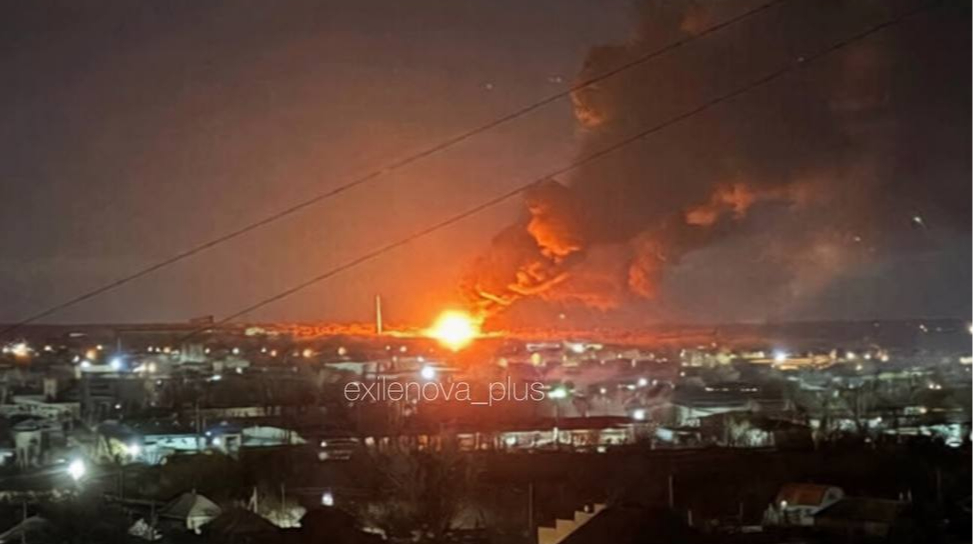
In the early hours of February 27, the Ukrainian military successfully struck a fuel depot in the temporarily occupied city of Luhansk. This operation was carried out by the 1st Separate Center for Unmanned Aerial Systems, which released footage of the attack on social media.
The strike is significant as it aims to disrupt the logistical capabilities of occupying forces. A military spokesperson emphasized that reducing fuel supplies limits the enemy’s operational flexibility, including troop rotations and offensive actions. In modern warfare, logistics play a crucial role in sustaining military operations, and systematic targeting of these resources can yield substantial effects.
The spokesperson noted, “Less fuel means fewer capabilities for maneuvers, rotations, and supporting assault actions. This equipment will not be able to move. Tanks will not be able to target Ukrainian forces, and artillery will not be able to engage our units. Logistical chains are severed, and plans are thwarted.” This underscores the strategic importance of logistics in the ongoing conflict.
Visual evidence of the strike has circulated widely, with various videos emerging from monitoring groups that track drone activity in the region. Such operations are part of a broader strategy to undermine the enemy’s operational effectiveness.
Ukrainian forces have targeted a fuel depot in Luhansk, aiming to disrupt the logistical capabilities of occupying troops. This operation highlights the critical role of logistics in modern warfare, as reducing fuel supplies can severely limit enemy operations.