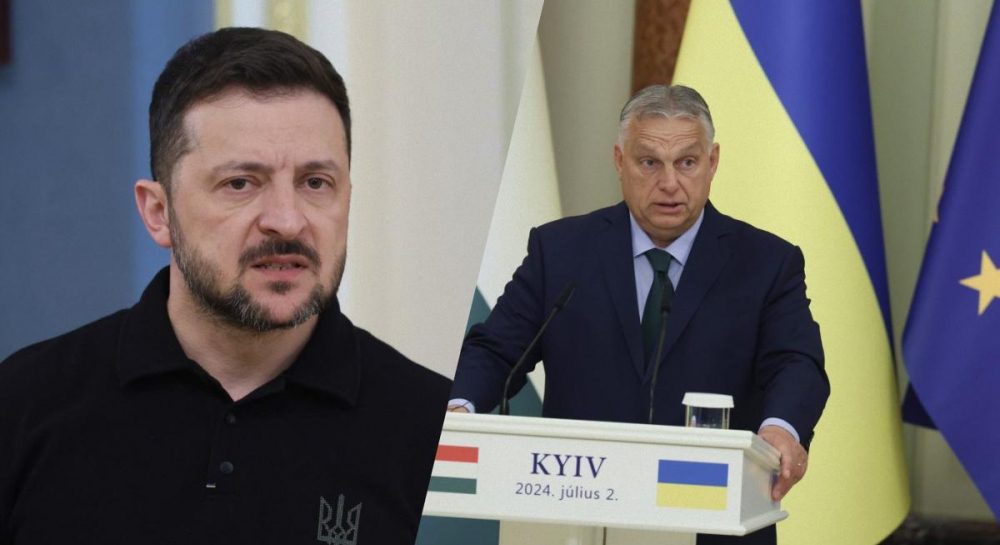
The European Union is intensifying its efforts to advance the integration of Ukraine and Moldova into its structures, following a reduction in Hungary’s previously obstructive stance. This shift comes in light of recent political changes in Hungary, which had previously hindered discussions related to Ukraine’s EU membership.
Under the leadership of former Prime Minister Viktor Orbán, Hungary regularly delayed decisions that would support Ukraine and facilitate its accession talks. However, with the current political landscape evolving, these barriers have significantly diminished.
The EU is now focusing on advancing the negotiation process with both Ukraine and Moldova, preparing for the next stages of enlargement. This includes a gradual progression of negotiation clusters and an acceleration of the two countries’ integration into European frameworks, despite the ongoing requirements for reforms and adherence to membership criteria.
EU officials have emphasized that the enlargement process remains politically sensitive and requires consensus among all member states. Nevertheless, the current circumstances present new opportunities for Ukraine and Moldova on their paths toward EU membership.
Ukraine’s Path to EU Membership
Previously, Viktor Orbán stated that the war in Ukraine posed significant challenges to the country’s EU aspirations. He indicated that even after hostilities cease, the road to integration would be long and fraught with internal issues.
In March, Brussels outlined the conditions for Ukraine’s accession, focusing on three key negotiation clusters essential for EU membership. According to Ukrainian Prime Minister Yulia Svyrydenko, these clusters include inclusivity, a green agenda, and resource management.
Related News:
- EU’s Dependence on Ukraine’s Support, as Stated by Former Finnish Prime Minister
- Ukrainians Begin Training German Soldiers in Bundeswehr Training Centers
- Analysis on Bulgaria’s Future Direction Post-Elections, as Reported by NYT
The EU is accelerating its integration talks with Ukraine and Moldova, following a shift in Hungary's political landscape that previously obstructed these efforts. This development opens new avenues for both countries as they pursue EU membership, despite ongoing reform requirements.
Source: Politico