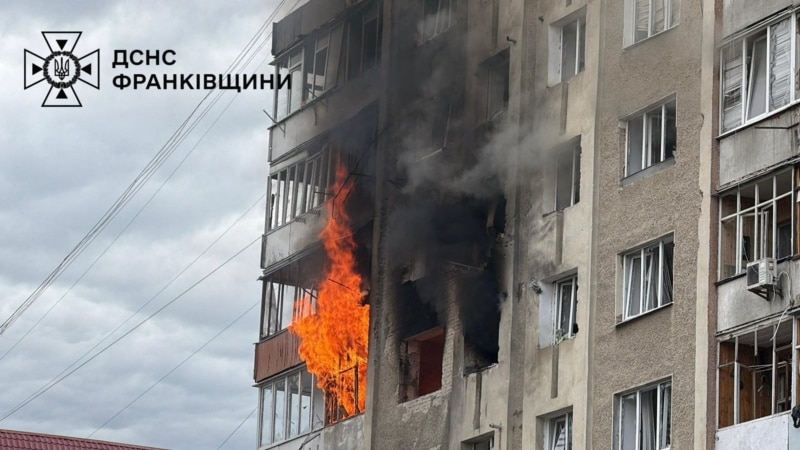
On May 13, a series of drone attacks in Ivano-Frankivsk, Ukraine, led to injuries for ten individuals, including two teenagers, according to local officials. The head of the regional military administration, Svitlana Onyshchuk, reported that the attacks targeted residential areas, resulting in significant damage.
During the day, the region’s air defense systems intercepted a majority of the enemy drones. However, some managed to hit a multi-story residential building in the city center, causing injuries and necessitating hospitalization for four victims. Additionally, the attacks damaged an administrative building and nearby structures, with debris affecting residential and agricultural buildings in the surrounding communities of Nadvirna and Bukachivsk.
Emergency services are currently engaged in efforts to assess and mitigate the damage. Onyshchuk emphasized the ongoing threat of further strikes, urging residents to heed air raid alerts.
Initially, reports indicated three individuals had sustained injuries in the attacks. By the evening, the Ukrainian Air Forces confirmed that Russian military forces had launched 753 strike drones against Ukraine, with a total of 892 drones deployed throughout the day. The primary focus of these strikes was on western regions of the country.
The Ukrainian military noted that the attacks utilized drones launched from Belarus and Moldova, with air defense forces successfully intercepting approximately 710 enemy drones, including various models such as Shahed and Gerbera. Reports indicated that 27 drones struck their targets, resulting in debris falling in 26 locations.
President Volodymyr Zelensky stated that six fatalities occurred across various populated areas in Ukraine due to these attacks on the same day. Local authorities have reported casualties and destruction in multiple regions, including Odesa, Khmelnytskyi, Rivne, Lviv, Zakarpattia, Ivano-Frankivsk, Volyn, Cherkasy, and Sumy.
According to the Main Intelligence Directorate of Ukraine, Russia has initiated a prolonged combined air assault targeting critical infrastructure across the country. Analysts suggest that Russia may employ a significant number of cruise missiles in future attacks.
Russian forces have been consistently targeting Ukrainian cities and civilian infrastructure using various weaponry, including strike drones, missiles, and artillery systems. The Ukrainian government and international organizations classify these strikes as war crimes, emphasizing their deliberate nature.
Attacks on essential services and healthcare facilities are seen as attempts to deprive civilians of electricity, heating, water supply, communication, and medical assistance. Legal experts and human rights advocates assert that such actions could constitute genocidal acts, given the systematic targeting of the Ukrainian population.
The 1948 United Nations Convention on the Prevention and Punishment of the Crime of Genocide obligates signatory countries to prevent and punish acts of genocide during both wartime and peacetime. The convention defines genocide as actions aimed at the destruction of national, ethnic, racial, or religious groups.
Despite numerous accusations, Russian leadership denies targeting civilian infrastructure during the ongoing conflict, asserting that their military operations are conducted in accordance with international law.
On May 13, drone attacks in Ivano-Frankivsk injured ten people and caused significant damage to residential and administrative buildings. The Ukrainian military reported extensive drone activity, with ongoing threats of further strikes as assessments of the damage continue.