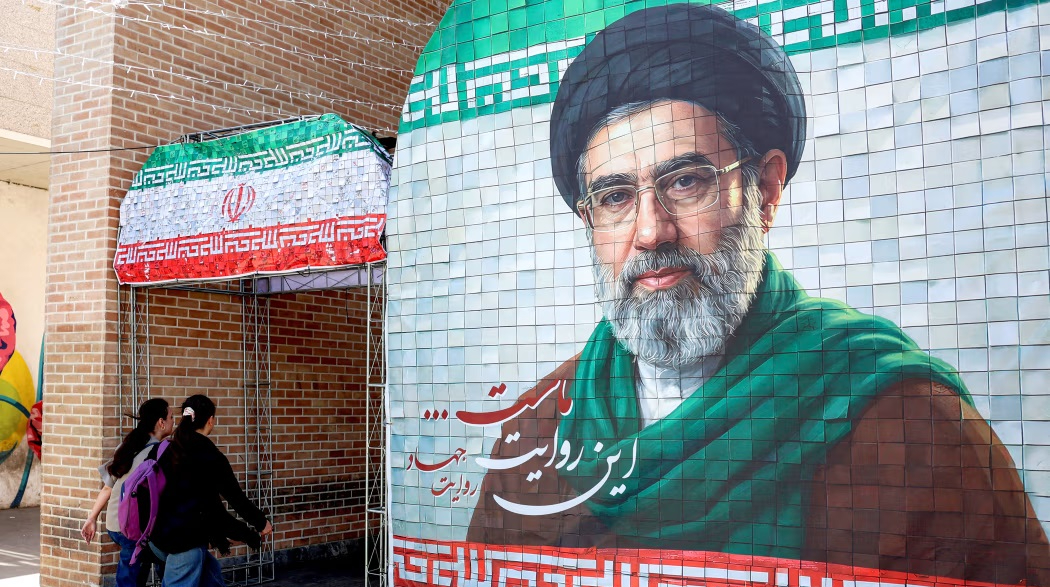
Iran’s Supreme Leader, Ayatollah Ali Khamenei, has issued a directive prohibiting the export of enriched uranium, a move likely to escalate tensions with the United States and Israel. This decision comes at a time when negotiations regarding Iran’s nuclear program are already fraught with challenges.
According to reports from Reuters, Khamenei’s order could further irritate U.S. President Donald Trump, complicating ongoing discussions aimed at curbing hostilities between the U.S., Israel, and Iran. The U.S. has long accused Iran of pursuing nuclear weapons, particularly in light of its uranium enrichment activities, which have reached levels significantly above those required for civilian use.
Trump has stated, “We will get it. We don’t need it, we don’t want it. We will probably destroy it after we get it, but we will not let them have it.”
Israeli officials have indicated that Trump assured them that any agreement with Iran would require the removal of its stockpile of highly enriched uranium, which is necessary for the development of nuclear weapons. This stockpile has raised alarms among Western nations, particularly as Iran has enriched uranium to levels approaching 60%, nearing the 90% threshold needed for weaponization.
Iranian officials reportedly believe that exporting enriched uranium would render the country more vulnerable to potential military actions by the U.S. and Israel. Concerns have been voiced within Iran that a pause in military actions may be a tactical maneuver by Washington to create a false sense of security before resuming airstrikes.
Mohammad Bagher Kalibaf, Iran’s chief negotiator for peace talks, stated that there are indications of impending attacks from the U.S., suggesting that the current diplomatic efforts may not be genuine. On the other hand, Trump has reiterated that the U.S. is prepared to continue strikes against Tehran if a peaceful resolution is not reached, while also indicating a willingness to wait for a few days to receive appropriate responses.
While some progress has been made in narrowing differences between the parties, significant disagreements remain regarding Iran’s nuclear program, particularly concerning the fate of its enriched uranium stockpile and Tehran’s demand for recognition of its right to enrich uranium.
Iranian officials have consistently emphasized that their primary goal is to achieve a definitive cessation of hostilities and secure guarantees against future attacks from the U.S. and Israel. Only after obtaining such assurances will Iran consider engaging in detailed discussions about its nuclear program.
Israel is widely believed to possess a nuclear arsenal, although it has neither confirmed nor denied this, maintaining a policy of ambiguity for decades. Prior to the current conflict, Iran had indicated a willingness to export half of its enriched uranium stockpile, which exceeds civilian needs significantly. However, this position appears to have shifted following repeated threats from Trump to strike Iran.
Israeli officials have expressed uncertainty regarding whether Trump will authorize military action and whether he will give Israel the green light to resume operations. Tehran has promised a devastating response in the event of an attack, yet sources suggest that viable solutions exist for addressing these tensions.
“There are solutions, such as diluting the stockpile under the supervision of the International Atomic Energy Agency,” noted one Iranian source.
As of June 2025, estimates from the IAEA indicated that Iran possessed approximately 440.9 kg of uranium enriched to 60%. The current status of this stockpile remains unclear. Iran maintains that a portion of its highly enriched uranium is necessary for medical purposes and for a research reactor in Tehran, which operates on relatively small amounts of uranium enriched to around 20%.
It is important to note that U.S. Vice President Jay D. Vance previously stated that the transfer of enriched uranium from Iran to Russia as part of peace negotiations is not currently part of U.S. plans. On May 18, Trump announced that he had postponed planned strikes against Iran that were set to occur shortly.
Iran's Supreme Leader has prohibited the export of enriched uranium, a decision that may heighten tensions with the U.S. and Israel. This directive complicates ongoing negotiations regarding Iran's nuclear program, as both sides grapple with significant disagreements and security concerns.
Source: Reuters