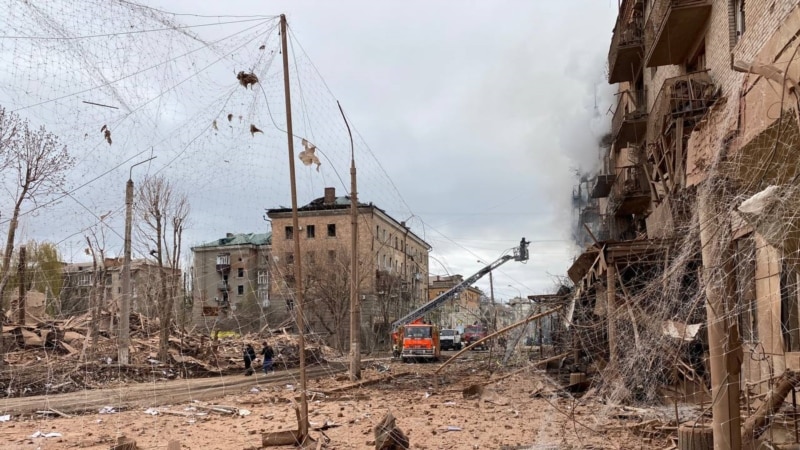
As of May 11, Ukrainian forces have engaged in 133 combat encounters, according to the General Staff of the Armed Forces of Ukraine. The report, released at 10 PM, indicates that the enemy has deployed 4,901 kamikaze drones and conducted 1,926 shelling attacks on both populated areas and military positions.
Over half of the reported clashes occurred across four key areas: Lyman, Kostiantynivka, Pokrovsk in Donetsk, and Huliaipole in Zaporizhzhia. In the Lyman sector, the aggressor initiated 11 assaults near the settlements of Lyman, Drobysheve, Zarichne, Ozerny, and Stavky, with one engagement still ongoing.
Defensive forces successfully repelled 15 enemy assaults in the Kostiantynivka area, particularly around Pleshchiivka, Kostiantynivka, Illinivka, Ivanopillia, Novopavlivka, Toretske, and Kucheryv Yar. Three of these encounters are still active.
In the Pokrovsk direction, the enemy launched 26 attacks, attempting to advance in the vicinity of Rodynske, Novooleksandrivka, Hryshyne, Bilitske, Pokrovsk, Kotlyne, Udachne, Muravka, Novopidhordne, and Molodetske, with four assaults ongoing.
Meanwhile, Ukrainian forces have successfully defended against 16 enemy attacks in the Huliaipole sector, focusing on the settlements of Dobropillia, Staroukrainka, Zaliznychne, Nova Zaporizhzhia, Vozdvizhivka, Charivne, and in the Guliaipole area.
Fighting has also been reported in the Northern Slobozhansky, Kursk, Southern Slobozhansky, Kupiansk, Sloviansk, Oleksandrivka, and Orihiv directions.
According to the Commander-in-Chief of the Armed Forces of Ukraine, Oleksandr Syrskyi, as of May 8, the Russian army has intensified its offensive operations across nearly the entire front. He noted that the Pokrovsk direction remains particularly tense, with approximately 106,000 troops concentrated there.
Analysts from the American Institute for the Study of War (ISW) have observed that both Russian and Ukrainian forces continued limited offensive operations during the second day of the ceasefire agreement from May 9 to May 11. Both sides have accused each other of violating the ceasefire on May 10.
ISW, referencing NASA FIRMS data from May 10, reported that combat activities had diminished further, although front-line activity did not cease entirely. The prevalence of mutual accusations and ongoing localized activity during the second day of the ceasefire underscores the challenges of maintaining a ceasefire without effective enforcement mechanisms, reliable monitoring, and clearly defined dispute resolution processes.
Intense combat continues in Ukraine, with significant clashes reported across multiple fronts. The situation remains volatile, as both sides accuse each other of ceasefire violations amid ongoing military operations.