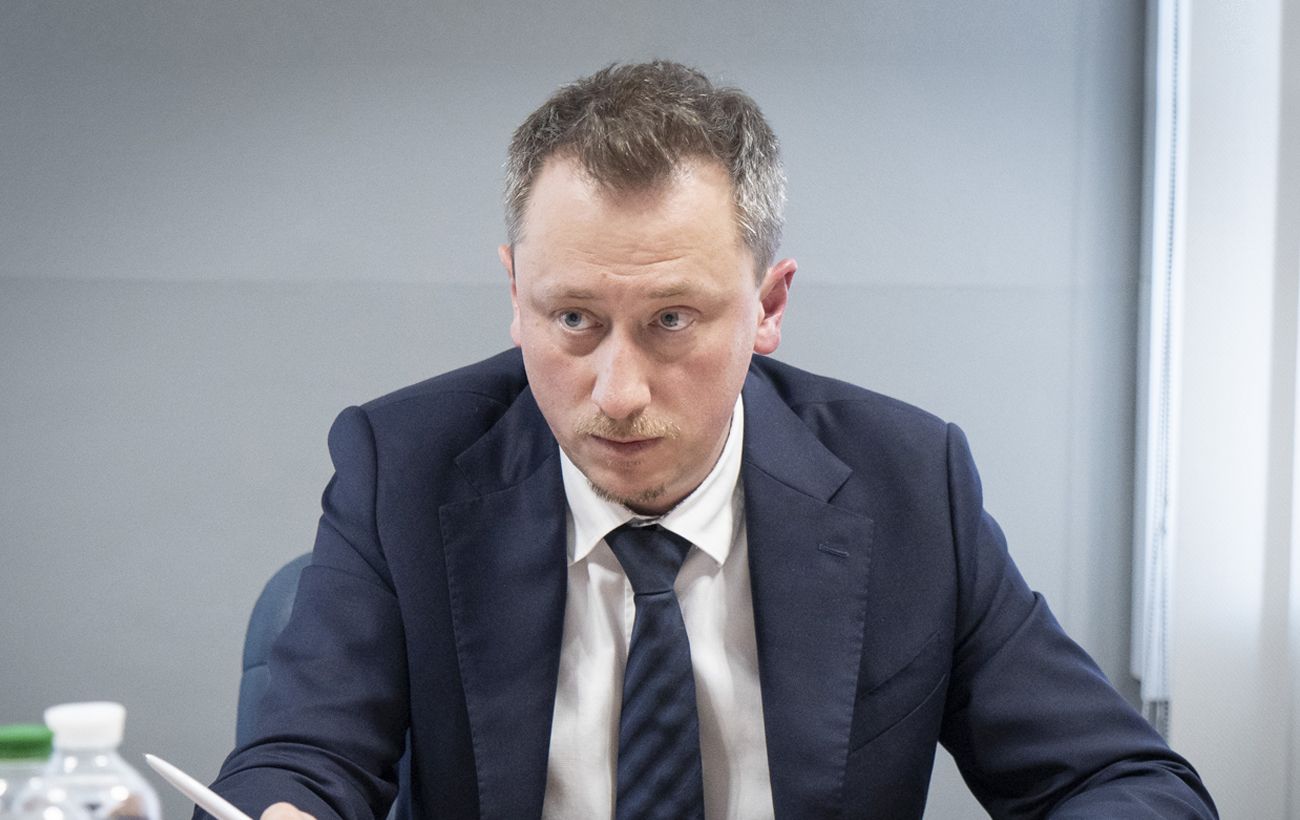
Ukraine’s economy is beginning to rebound after a challenging winter, but businesses are facing fresh hurdles, including labor shortages and the implementation of European environmental taxes. In an interview with RBC-Ukraine, Minister of Economy, Environment, and Agriculture Oleksiy Sobolev discussed the government’s recent decisions regarding the cashback program, the impact of employee reservations on tax revenues, and plans for significant privatizations this summer.
Key Highlights:
- Economic Recovery: Following a decline in GDP early this year due to energy sector attacks, industrial growth has resumed since March.
- Reservation Efficiency: Approximately 1.37 million individuals are currently reserved in Ukraine, contributing around 60% of total tax revenues.
- Large-Scale Privatization: The government expects to generate about 10 billion hryvnias from the sale of major assets this year.
- Optimization of State Programs: The Ministry of Economy is auditing all support programs to eliminate inefficiencies and focus resources on the most effective initiatives.
- Transformation of Cashback Program: The National Cashback program will be extended for two more years, with a focus on social support.
- Labor Market and Migration: Ukraine needs new workers, prioritizing the recruitment of local talent and the return of refugees.
Minister Sobolev explained that the government decided to extend the National Cashback program for two additional years due to its positive impact. Data from Mastercard indicates that 41% of cashback users have increased their purchases of Ukrainian goods, with 71% attributing this change to the cashback initiative. Retail sales of domestic products have risen by 7-9% as demand shifts from imports to local goods.
Despite rising costs for domestic producers in areas like energy and logistics, Sobolev noted that the government has increased cashback to 15% for goods with over 35% import content. This adjustment aims to bolster local products against subsidized imports, while cashback for predominantly domestic goods has been reduced to 5%, resulting in a monthly program cost reduction of 100 million hryvnias.
Approximately 70% of cashback funds are spent on utilities, with the program serving a vital social function for families earning up to 40,000 hryvnias. The adjusted cashback program now costs the government about 450 million hryvnias per month, with the fuel cashback program costing an additional 20 million per day, set to continue only through May.
On the economic front, Sobolev highlighted that following a GDP drop in January and February due to energy attacks, a strong recovery began in March, with industrial output increasing by 4.5% and manufacturing by 6.2%. The Minister emphasized that the economy is rebounding faster than anticipated.
He also addressed the impact of external factors, such as the Iranian conflict and rising fuel prices, on inflation and GDP growth. While these factors could slow growth, Sobolev believes the ongoing recovery will help mitigate their effects. In the agricultural sector, rising fuel and fertilizer costs are concerns, but he noted that the overall production forecast remains stable, with expectations of a similar harvest to last year.
Regarding the fuel cashback program, Sobolev reported that over 2 million Ukrainians are currently using it, with peak daily registrations reaching 100,000. This targeted program primarily benefits users of affordable vehicles, ensuring that assistance reaches those who need it most.
As for privatization, the government plans to sell several major assets, including the Mykolaiv Alumina Plant and the Ocean Plaza shopping center, with expected revenues of 10 billion hryvnias. Interest from foreign investors is growing, and numerous auctions are planned for the summer.
In conclusion, the Ukrainian government is taking steps to stabilize and stimulate the economy through various initiatives while navigating the complexities of war and international economic pressures. The focus remains on supporting local businesses and fostering a resilient labor market.
Ukraine's economy is showing signs of recovery after a turbulent winter, but faces challenges such as labor shortages and new taxes. Minister Oleksiy Sobolev discusses the government's initiatives to support local businesses and plans for privatization.