The Iranian government has firmly dismissed recent calls from the European Union to ensure open navigation through the Strait of Hormuz, asserting its right to control maritime activities in the region. Tehran’s response follows comments made by EU foreign policy chief, Kaia Callas, who emphasized the importance of keeping the strait accessible under international law.
Callas had urged that waterways like the Strait of Hormuz must remain open and free for passage. She also criticized Iran for imposing transit fees in the strait, warning that such actions could set a dangerous precedent for global maritime operations.
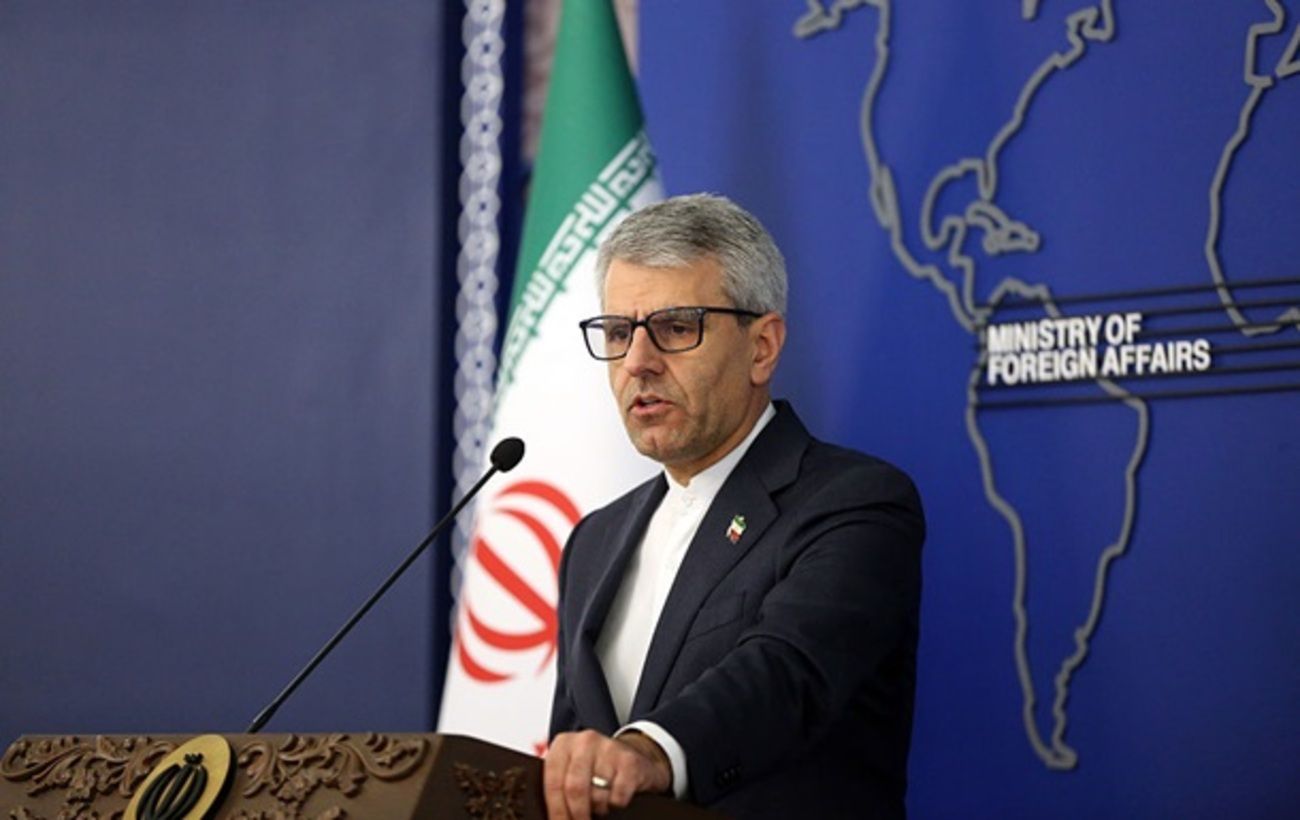
In a statement reflecting Iran’s stance, Foreign Ministry spokesperson Esmail Baghaei argued that control over the Strait is a matter of national sovereignty and should not be subject to external pressures. He expressed skepticism about the EU’s commitment to international law, suggesting that European leaders often speak on the issue while ignoring their own complicity in conflicts involving the U.S. and Israel.
“The same ‘international law’? The EU invokes it to lecture others while silently supporting the war waged by the U.S. and Israel, neglecting the plight of Iranians. Leave your lectures, as Europe often says one thing and does another, making claims about international law seem hypocritical,” Baghaei stated.
Furthermore, Baghaei asserted that no international regulations prevent Iran, as a coastal nation, from taking measures to ensure that the Strait is not used for military actions against it. He also pointed out that unrestricted passage through the strait is currently unfeasible due to the presence of U.S. military forces in the vicinity, a situation exacerbated by ongoing regional tensions.
Iran has rejected EU calls for open navigation in the Strait of Hormuz, emphasizing its sovereign rights over the waterway. The Iranian Foreign Ministry criticized the EU's stance as hypocritical, given its support for U.S. military actions in the region.