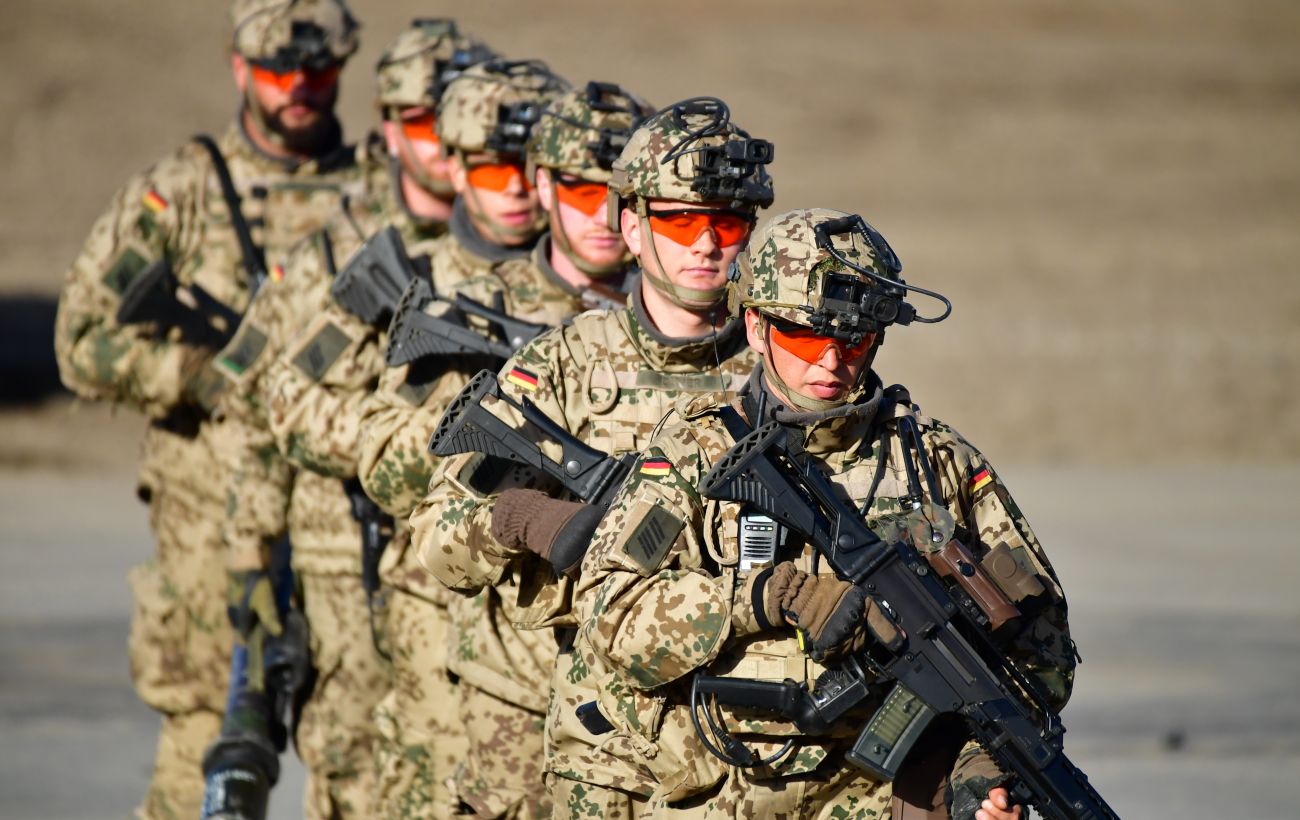
The European Union is set to hold exercises simulating the activation of its mutual defense mechanism under Article 42.7 of the Lisbon Treaty. This initiative aims to bolster the EU’s collective security in light of recent geopolitical tensions.
Initially, these drills will take place among ambassadors in Brussels, followed by a meeting of defense ministers scheduled for May in Cyprus. The topic will also be discussed at an informal summit of EU leaders in Cyprus next week.
Article 42.7 states that if a member state is subjected to armed aggression on its territory, other EU countries are obliged to provide “assistance and support by all means in their power.” This language is more stringent than NATO’s Article 5, which allows for a broader interpretation of necessary actions, including but not limited to military force. However, the EU lacks the military capabilities and structures that NATO possesses.
The timing of these exercises reflects concerns over former U.S. President Donald Trump’s threats to withdraw from NATO and his controversial remarks about Greenland. As transatlantic relations face uncertainty, Europe is exploring ways to enhance its own security.
Article 42.7 has been activated only once, following the 2015 terrorist attacks in France. In early 2026, European Commission President Ursula von der Leyen called for a revival of this mechanism.
Cyprus has a particular interest in strengthening Article 42.7 due to its long-standing conflict with Turkey, which has prevented it from joining NATO. The vulnerability of the region was highlighted earlier this month when an Iranian drone struck a British military base on the island.
Spanish Foreign Minister José Manuel Albares has emphasized the need for the EU to move toward establishing its own military and deepening defense integration to take charge of its security.
Discussions about creating a European defense system have intensified. According to reports, European nations are secretly developing a “Plan B” in case the U.S. withdraws from NATO, aiming to independently deter Russian aggression without American military support.
However, a significant obstacle remains: the slow pace of rearmament. NATO Secretary-General Mark Rutte and Ursula von der Leyen have both stressed the urgent need to accelerate weapons production in Europe, as current rates are insufficient to address existing threats.
The EU plans to conduct defense exercises to enhance its collective security, responding to rising geopolitical tensions and uncertainties surrounding NATO. With discussions on a potential European military intensifying, the need for accelerated rearmament is becoming increasingly urgent.