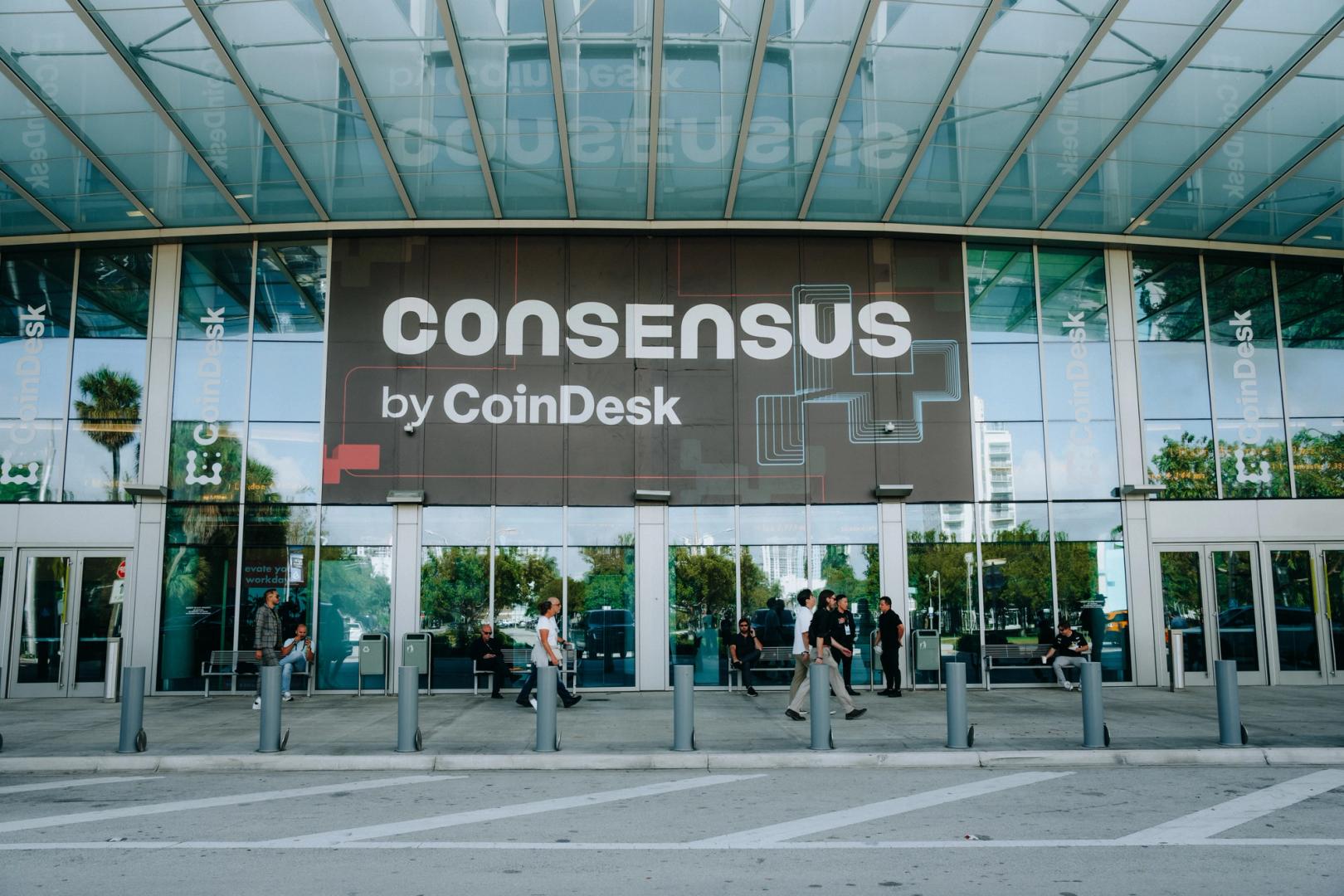
During the recent Consensus Miami conference, Patrick Witt, Executive Director of the President’s Council on Digital Assets, expressed optimism that the Clarity Act could be signed into law by July 4. Achieving this timeline would necessitate a series of legislative steps, including a markup this month, merging bills in the Senate, and subsequent reconciliation with the House.
The Clarity Act has been a focal point in discussions surrounding cryptocurrency regulation in the United States. Witt’s comments suggest a renewed momentum in the legislative process, although the outcome remains uncertain.
Consensus Miami featured various sessions where lawmakers, industry participants, and legal experts discussed critical issues related to the Clarity Act and the broader cryptocurrency landscape. Senator Kirsten Gillibrand emphasized the need for ethics provisions within the proposed legislation, highlighting ongoing concerns about regulatory frameworks.
Among the notable discussions were debates on whether prediction markets should be classified as gambling, with no definitive conclusion reached. The conference also addressed several significant developments in the cryptocurrency sector:
- Aave announced plans to enhance its collateral and listing standards following a recent exploit.
- Binance.US’s CEO, Changpeng Zhao, proposed reviving the platform to provide U.S. users with access to global crypto liquidity.
- A Tether executive warned that the upcoming 2026 midterm elections could significantly impact the cryptocurrency industry.
- Stablecoins have received regulatory approval, but challenges remain ahead.
- Donald Trump Jr. refuted rumors regarding the instability of World Liberty Financial.
- A Wall Street clearinghouse is exploring the use of high-performance blockchains for tokenizing corporate actions.
- The White House is expected to release an update on the U.S. Bitcoin Reserve in the coming weeks.
Additionally, CoinDesk conducted a survey of 1,000 registered voters regarding their attitudes towards cryptocurrency as the 2026 elections approach. The survey revealed that while cryptocurrency is not a top priority for voters—who are more focused on issues like the economy and healthcare—there is a notable skepticism towards government officials having ties to crypto businesses. A majority of respondents expressed discomfort with the idea of the Trump administration overseeing the cryptocurrency sector, despite limited awareness of Trump’s connections to World Liberty Financial. Furthermore, voters showed a preference for traditional banks over cryptocurrency projects for financial services.
As the legislative landscape continues to evolve, the Senate Banking Committee is scheduled to hold a markup hearing to advance the Clarity Act on Thursday at 14:30 UTC (10:30 a.m. ET). This meeting will be crucial in determining the future of cryptocurrency regulation in the U.S.
The Consensus Miami conference highlighted potential progress on the Clarity Act, with optimism from White House officials about its passage by July 4. A recent survey indicates that U.S. voters prioritize traditional banking over cryptocurrency, reflecting ongoing skepticism about crypto regulation under the Trump administration.
Source: CoinDesk