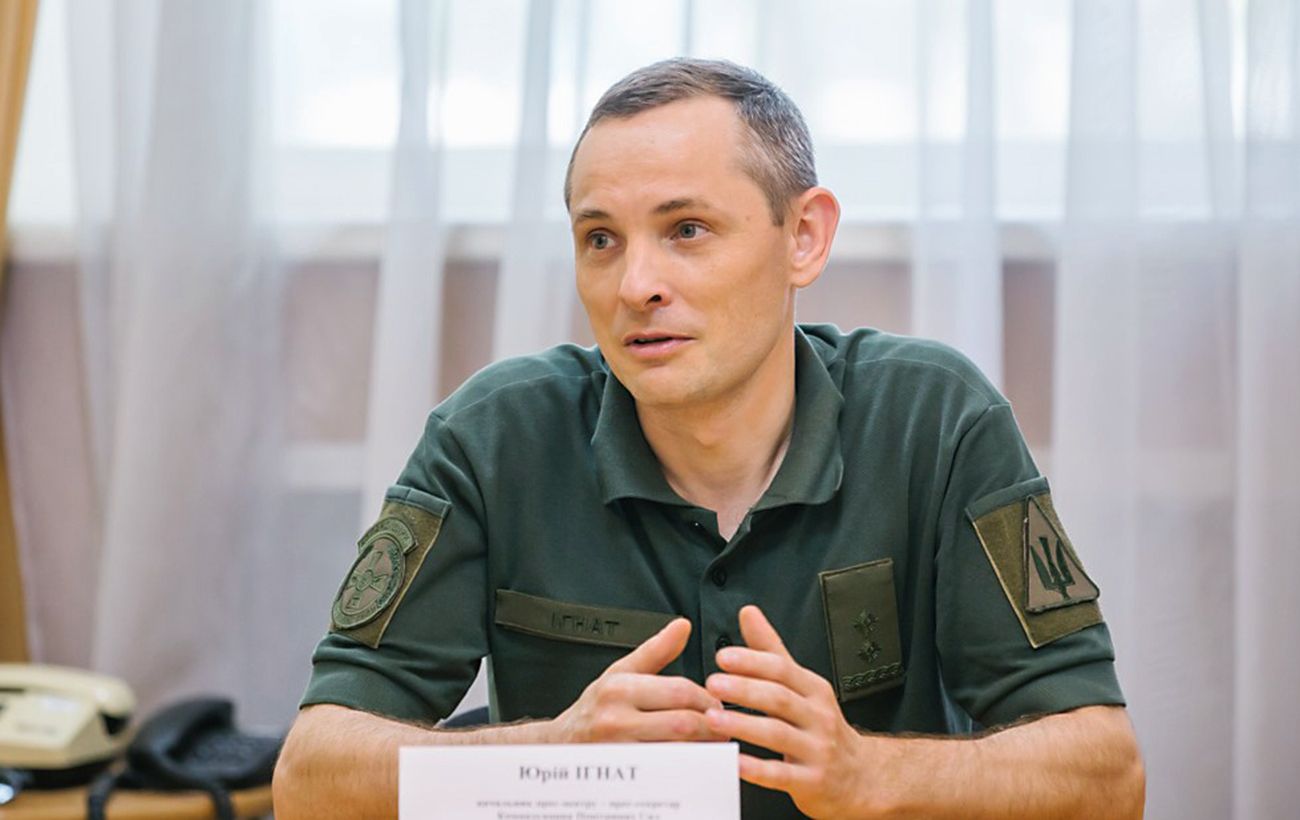
Ukraine is currently grappling with a significant shortage of missiles for its air defense systems, including Patriot, NASAMS, and IRIS-T. Colonel Yuriy Ihnat has reported that launchers within various units are nearly empty, forcing representatives of the Air Force to request between five to ten missiles during international negotiations.
“On a Hunger Ration”
Ihnat described the situation as Ukraine being “on a hunger ration” concerning missile supplies. Air Force officials are actively engaged in discussions at Ramstein and other negotiation forums, where they find themselves pleading for just a few units of ammunition for each system.
He emphasized, “The launchers that are part of certain units and batteries are half-empty, to put it mildly.”
Reasons Behind the Shortage
The primary cause of this depletion is attributed to 15 large-scale missile strikes on Ukraine’s energy infrastructure during the winter months. The consumption of munitions has been extraordinarily high. Additionally, the rising global demand for air defense systems, exacerbated by ongoing conflicts in the Middle East, has intensified competition for available ammunition.
Current Strategies
In response to the crisis, military command is compelled to distribute existing forces and missiles across various regions to ensure at least a minimal level of protection throughout the country. Ihnat noted that Ukrainian forces possess unique experience in utilizing modern air defense systems, interceptor drones, and F-16 fighters in the context of a full-scale war.
On May 6, Russian forces launched drone strikes on the center of Sumy, hitting a kindergarten building, which resulted in the deaths of two women and several injuries. That same day, cities including Kharkiv, Dnipro, Zaporizhzhia, Kryvyi Rih, and Sumy were also targeted.
President Volodymyr Zelensky announced a ceasefire regime starting May 6, emphasizing that no official proposals for a truce had been received from Russia.
In the early hours of May 7, occupiers attacked Ukraine with 102 strike drones of various types from seven directions. Ukrainian air defense successfully intercepted 92 of these drones, although debris from the intercepted drones fell in several regions.
In Poltava, a combined attack involving both drones and missiles led to the deaths of four individuals, including two rescuers and two employees of a local enterprise. Additionally, 37 people were injured, among them 23 members of the State Emergency Service. Some residents were left without gas, and damage was reported to railway infrastructure and an industrial facility.
Ukraine is facing a critical shortage of missiles for its air defense systems due to extensive military engagements and increased global demand. As the conflict escalates, the military is adapting its strategies to maintain a basic level of protection across the country.