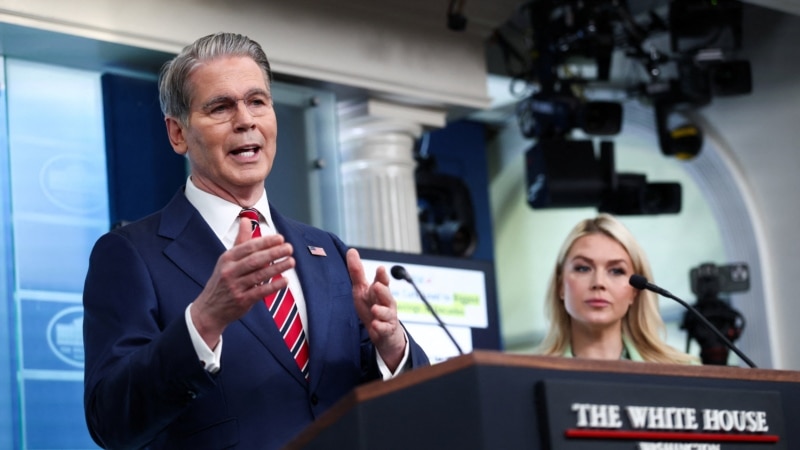
On April 15, U.S. Treasury Secretary Scott Bessent announced that the United States will not extend exemptions that previously allowed the purchase of Iranian and Russian oil without the imposition of U.S. sanctions. Bessent clarified during a White House briefing, “We will not renew the general license for Russian oil, and we will not renew the general license for Iranian oil. This was oil that was in transit before March 11, so all of this has already been utilized.”
On April 14, Reuters reported that the U.S. has no plans to renew a 30-day sanctions exemption for Iranian oil, which is set to expire this week, and that a similar exemption for Russian oil had already lapsed over the weekend. According to Politico, sanctions on Russian oil have been reinstated following the expiration of a special license on April 11, which had allowed the sale of oil already in transit and was intended to be temporary.
Previously, there had been discussions in the U.S. regarding the possibility of extending these licenses. However, some senators urged against this move, citing that Russia had earned approximately $4 billion from oil deals within the past month. The general licenses were issued amid rising oil prices due to the ongoing conflict involving the U.S. and Israel against Iran and tensions in the Strait of Hormuz. Following the breakdown of negotiations between the U.S. and Iran in Islamabad, Brent crude oil prices surged again, exceeding $100 per barrel.
The U.S. has decided not to renew exemptions for purchasing Iranian and Russian oil, reinstating sanctions amid rising oil prices and geopolitical tensions. This decision follows concerns over significant revenue generated by Russia from oil sales in recent weeks.