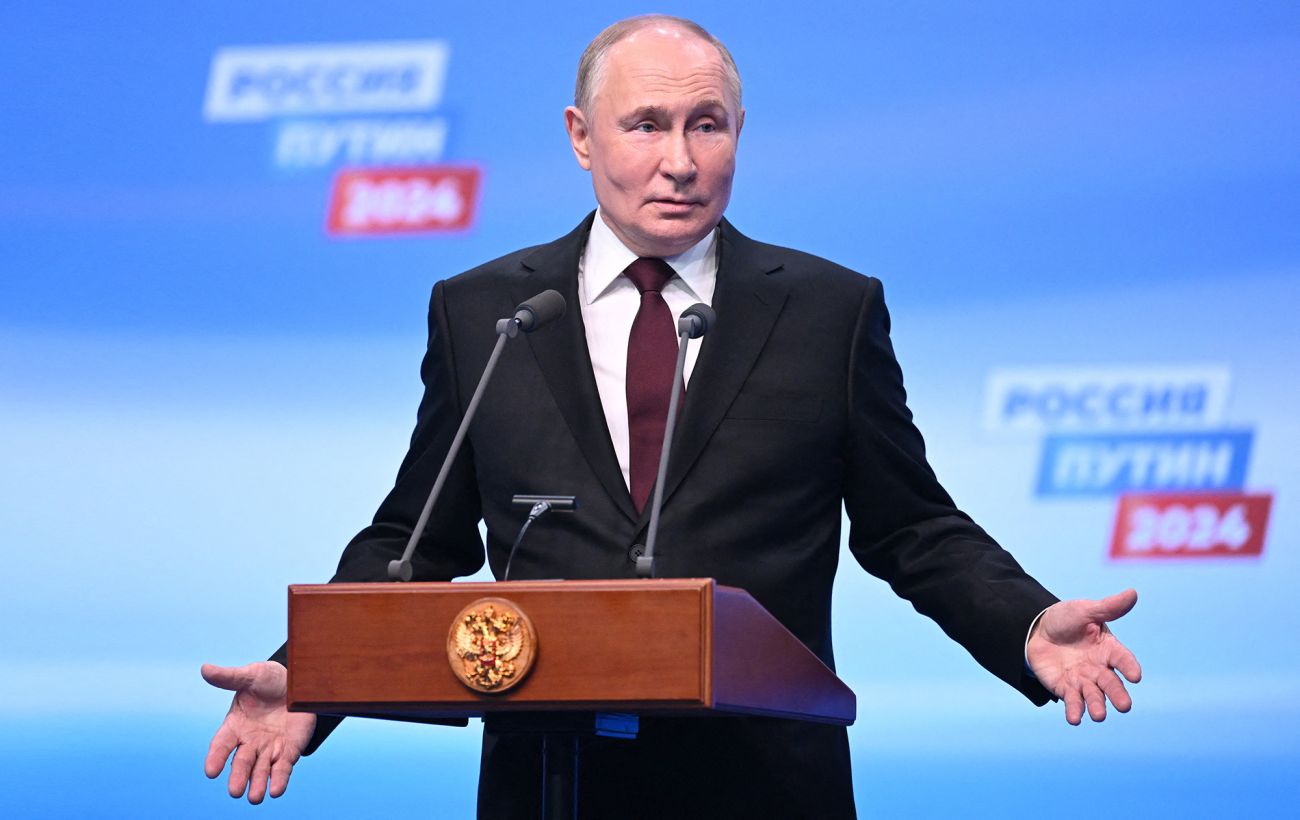
Over the course of the full-scale war, Ukraine has evolved into one of the most technologically advanced military forces globally, a development that poses significant challenges for Russian President Vladimir Putin.
The grassroots movement that emerged in 2014 played a crucial role in countering the initial Russian invasion, as volunteers formed battalions to defend their homeland. Although the country could not be entirely liberated at that time, the aggression was successfully contained.
Following 2014, Ukraine initiated extensive military reforms aligned with NATO standards. The armed forces expanded to several hundred thousand personnel, laying the groundwork for the much larger military that has been mobilized since February 2022.
Since the onset of the full-scale invasion, the Ukrainian military has undergone another significant transformation. New tactics, the emergence of young and skilled commanders, and rapid technological innovations have been implemented with minimal bureaucratic delay.
Today, Ukraine stands as a global leader in drone warfare. Ukrainian companies have developed unmanned aerial vehicles that:
- Dominate the battlefield;
- Provide strategic advantages in the Black Sea conflict;
- Strike targets thousands of kilometers deep within Russia.
During NATO exercises, Ukrainian units have consistently outperformed their allies, prompting partner nations to reassess their own military strategies.
In the spring of 2026, Ukrainian President Volodymyr Zelensky proposed assistance to Gulf countries in countering Iranian drones. This initiative has shifted the global perception of Ukraine, transforming it from a security burden into a capable and essential player.
NATO countries are now seeking training from Ukrainian instructors in drone warfare, and collaborative production initiatives with Ukrainian defense firms are being discussed.
Putin’s invasion aimed at the “demilitarization” of Ukraine, yet the outcome has been the opposite: Russia now faces one of the most militarized nations in Europe on its border.
The Russian leader is confronted with two unfavorable scenarios:
- Agreeing to peace—which would mean accepting a hostile and armed Ukraine as a neighbor;
- Continuing the war—risking further enhancement of Ukraine’s military capabilities, which could threaten the stability of his regime.
Ukraine's military evolution since 2014 has transformed it into a formidable force, particularly in drone warfare. This shift has significant implications for regional security dynamics and challenges Russia's strategic objectives.