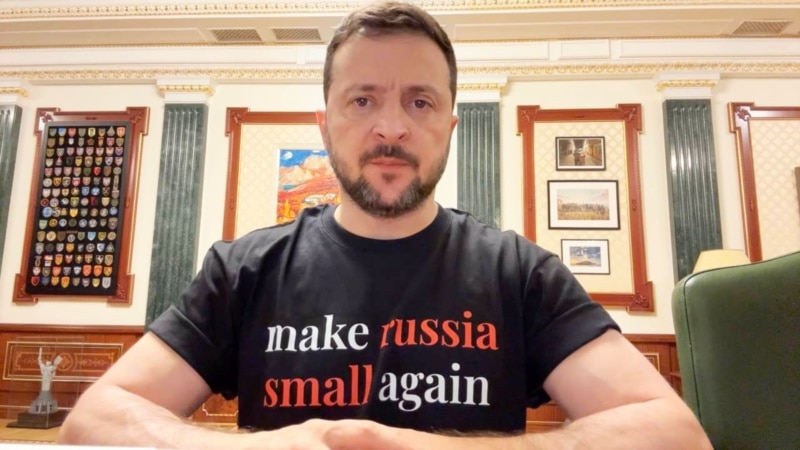
Ukrainian President Volodymyr Zelensky has attributed the recent intensification of Russian attacks on Dnipro to the European Union’s approval of a €90 billion reparations loan for Ukraine. This assertion was made during a joint press conference with Moldova’s leader Maia Sandu in Kyiv.
Zelensky indicated that the EU loan was a direct catalyst for the extensive assault on Dnipro that took place on April 25, lasting over 20 hours. He stated, “We have now unlocked the funds. This is a reaction. In my opinion, this is the primary response to their understanding that Ukraine is not alone and has financing for domestic production.”
On April 22, EU member state ambassadors approved the substantial loan and a 20th package of sanctions against Russia. Zelensky also reported that repairs had been completed on the Druzhba oil pipeline, which he stated could resume operations. Additionally, on April 21, he held discussions with European Commission President Ursula von der Leyen and European Council President António Costa regarding the loan’s unblocking.
Following the recent parliamentary elections in Hungary, Péter Madjar, leader of the Tisza party, indicated that he would lift the veto imposed by Prime Minister Viktor Orbán on the €90 billion loan to Kyiv. However, he clarified that Hungary would not be financially responsible for this loan and expressed opposition to expediting Ukraine’s accession to the EU.
Earlier, on April 26, Zelensky met with Maia Sandu, emphasizing the significance of her visit on a day when Ukraine commemorates the Chernobyl disaster. He remarked on the solidarity and dedication of the Ukrainian people, which he believes have been crucial in protecting the region from further radiation disasters.
According to Zelensky, discussions during the meeting focused on security issues, cross-border cooperation, infrastructure protection and development, energy matters, and the joint movement towards EU integration.
The Russian military conducted multiple strikes on Dnipro beginning on the night of April 25, resulting in nine fatalities and 61 injuries. In response to the extensive damage, the Ukrainian government announced it would provide assistance to Dnipro from the state budget. Prime Minister Yuliia Svyrydenko stated, “We are currently assessing the extent of the destruction in collaboration with the city authorities,” as noted by the head of the regional military administration, Oleksandr Hanzha.
Zelensky emphasized the necessity for the international community to remain vigilant regarding the ongoing conflict, urging that the Russian war in Europe should not be overshadowed by other global events, such as the situation in Iran. He insisted that pressure on Russia must be constant, with no pauses in sanctions for each strike against Ukraine.
Russian forces have been consistently targeting Ukrainian cities and civilian infrastructure using various types of weaponry, including drones, missiles, and artillery systems. Ukrainian authorities and international organizations classify these attacks as war crimes, highlighting their deliberate nature.
Attacks on essential services and healthcare facilities aimed at depriving civilians of electricity, heating, water supply, communication, medical assistance, and other necessary living conditions are viewed as acts of genocide.
The Russian leadership denies that its military is intentionally targeting civilian infrastructure during the ongoing war, asserting that it does not aim to harm civilians or destroy hospitals, schools, kindergartens, and energy or water supply facilities.
Ukrainian President Volodymyr Zelensky has linked a surge in Russian attacks on Dnipro to the EU's approval of a €90 billion loan for Ukraine. The recent assault resulted in significant casualties and damage, prompting government assistance for recovery efforts.