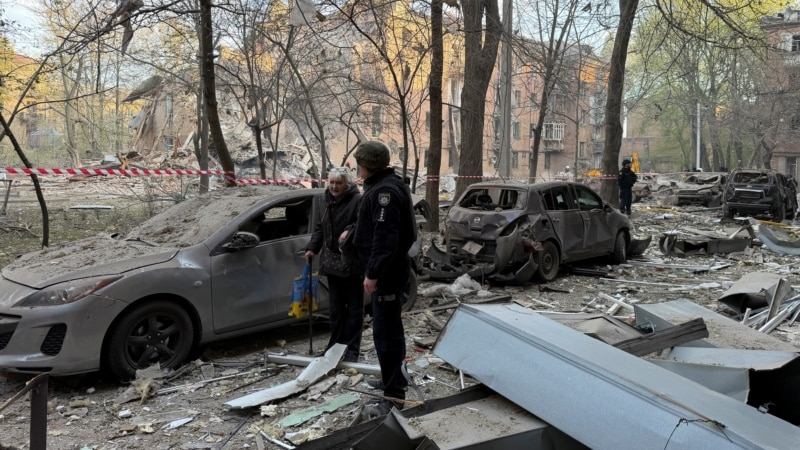
The city of Dnipro has once again come under attack from Russian forces, resulting in significant casualties and destruction. According to Oleksandr Hanža, head of the Dnipropetrovsk regional military administration, six individuals have been confirmed dead and 47 injured, with two in serious condition.
In a statement on Telegram, Hanža described the assault as a deliberate act of terror, noting that the attacks spanned over 20 hours, involving missiles and drones targeting residential areas. The strikes led to extensive damage to housing, businesses, and vehicles, leaving many residents homeless and grieving the loss of loved ones.
The Ukrainian government has pledged financial assistance to Dnipro for recovery efforts, as confirmed by Prime Minister Yulia Svyrydenko. Hanža indicated that local authorities are currently assessing the extent of the damage.
President Volodymyr Zelensky reported that two individuals are still missing following the attacks, and search and rescue operations are ongoing. He emphasized the importance of international awareness regarding the situation, urging that the conflict in Ukraine should not be overshadowed by other global crises.
On April 25, Russian forces targeted a residential quarter in Dnipro, causing fires and damaging infrastructure, including gas stations and apartment buildings. The attacks were characterized by their repetitive nature, as the same residential area was struck multiple times.
Ukrainian authorities and international organizations have classified these military actions as war crimes, highlighting their targeted nature against civilian infrastructure. The systematic attacks on essential services and healthcare facilities are seen as part of a broader strategy to undermine the population’s basic needs.
Legal experts and human rights advocates have raised concerns that these actions may constitute genocide, citing the Russian leadership’s rhetoric and the systematic targeting of Ukrainian identity and culture. The 1948 UN Convention on the Prevention and Punishment of the Crime of Genocide obligates signatory nations to prevent such acts during both wartime and peacetime.
Despite these allegations, Russian officials deny targeting civilian areas, asserting that their military operations are aimed at legitimate military objectives.
The recent attacks on Dnipro by Russian forces have resulted in multiple casualties and extensive damage to civilian infrastructure. Ukrainian authorities are responding with recovery efforts while international observers classify these actions as potential war crimes and genocide.