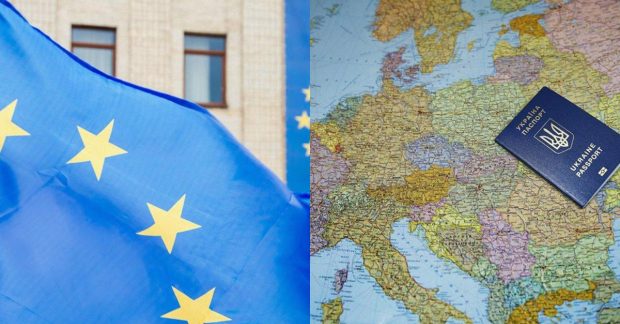
The European Union is currently evaluating potential modifications to its temporary protection scheme for Ukrainian refugees, which is set to expire in March 2027. EU officials have indicated that the existing framework may be extended, albeit with a revised focus on specific groups.
Ilva Johansson, the EU’s special representative on Ukrainian issues, has suggested that the temporary protection could continue but would likely target a narrower demographic based on criteria such as their relationship to military mobilization and their region of origin in Ukraine. This discussion follows a June 2025 announcement that the EU would not extend the current temporary protection, instead recommending that Ukrainian refugees transition to national residence permits based on employment or education.
With over four million Ukrainians currently residing in the EU under temporary protection, there are concerns that a sudden cessation of this status could leave many without legal documentation, potentially overwhelming the asylum system. However, transitioning to national permits has proven challenging for many, due to high salary thresholds and complex bureaucratic procedures compared to the existing protections.
While countries like Poland and the Czech Republic are developing mechanisms for this transition, other EU member states have yet to establish clear procedures or guidelines for the continued residency of Ukrainian refugees. This has prompted renewed discussions among EU ministers regarding the future of temporary protection, with a meeting held on March 5 to address these issues.
Johansson has indicated that discussions are in the early stages, making it difficult to predict the final outcome. She mentioned the possibility of a ‘residual status’ for the most vulnerable groups or those unable to transition to a different legal status.
Eligibility of Men for Temporary Protection
Statistics from Eurostat reveal that, as of last autumn, half of the Ukrainians who received temporary protection in the EU were adult men. In some countries, including Poland, the Czech Republic, and Germany, there have been political calls for the return of Ukrainian men of conscription age.
Johansson clarified that men have the same rights under temporary protection as other Ukrainian refugees. However, some countries are advocating for restrictions on men in the updated temporary protection framework, a proposal that will require legal assessment.
Current Situation of Ukrainian Refugees in Europe
Reports indicate that Finland has seen a significant exodus of Ukrainian refugees, with nearly half of those who arrived in the early stages of the war leaving the country. The high unemployment rate and language barriers have posed substantial challenges for integration into the Finnish labor market.
Additionally, the Belgian government has announced that children born after February 24, 2022, will no longer qualify for refugee status, as they were not physically present in Ukraine before the onset of the full-scale invasion. However, families with newborns in Belgium will have access to a simplified process for residency.
Related News
- Finland Will Not Demand Ukraine Cease Attacks on Russian Oil Refineries
- Russia Threatens EU Countries Over Airspace for Ukrainian Drones
- European Leaders React Strongly to Leaked Conversations Between Szijjarto and Lavrov
The EU is re-evaluating its temporary protection policy for Ukrainian refugees, which may see changes in eligibility and focus. Discussions are ongoing about potential extensions and the legal status of refugees post-2027.