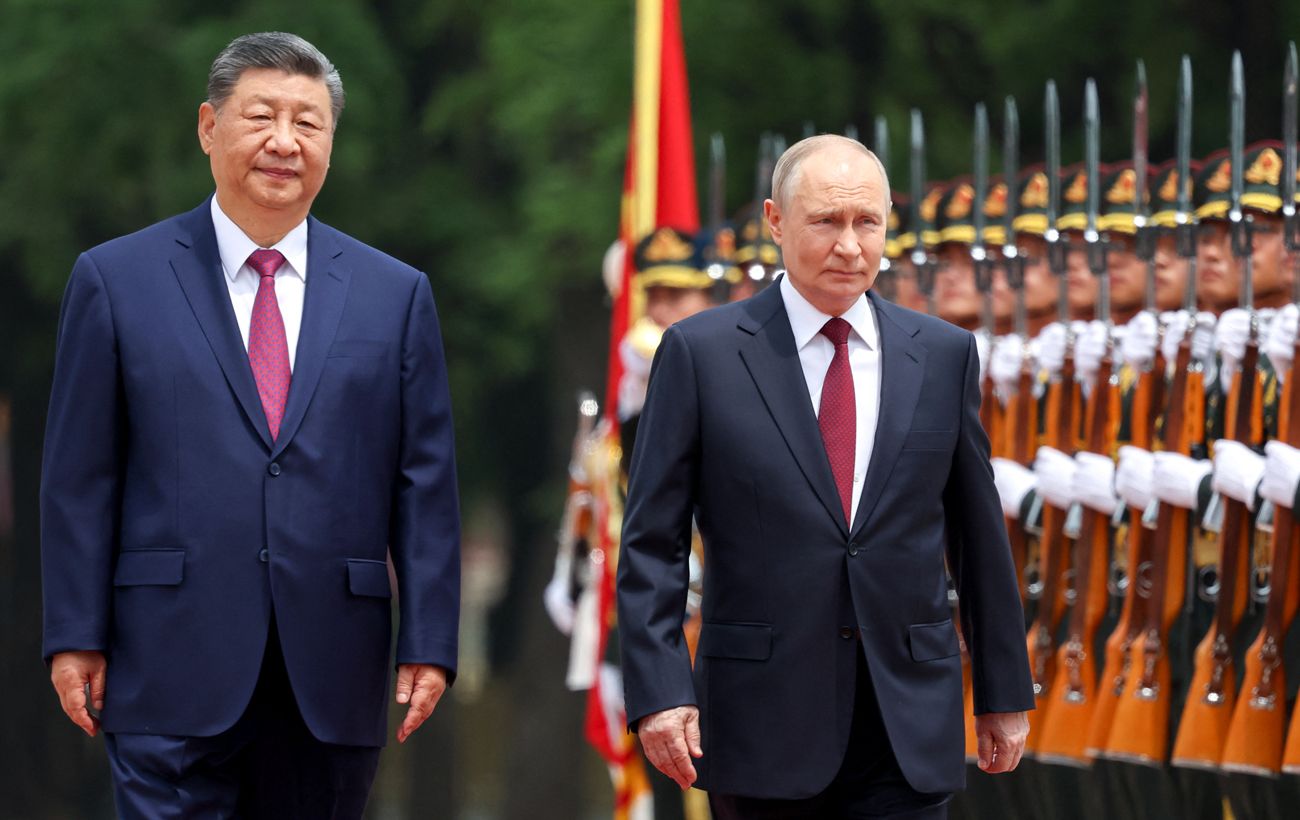
Russian President Vladimir Putin’s recent trip to Beijing aimed to secure an agreement from Chinese leader Xi Jinping for the construction of a new gas pipeline, but negotiations concluded without a deal or defined timelines.
The proposed pipeline, known as “Power of Siberia-2,” is designed to transport up to 50 billion cubic meters of gas to China annually. This project is crucial for Russia as it seeks new markets following its exit from the European energy landscape.
However, China appears to be in no rush to finalize the arrangement. Currently, Russia’s dependence on China allows Beijing to dictate favorable terms for gas sales.
Following the talks, Kremlin spokesperson Dmitry Peskov informed reporters that there are no specific timelines for the project’s initiation. He noted that while there is a general understanding of the main parameters of “Power of Siberia-2,” including its route and construction plans, several details still require final agreement.
During the discussions, China also expressed support for Russia’s stance on Ukraine. In a joint statement, Beijing endorsed the call to eliminate the “root causes” of the conflict, a phrase that reflects Moscow’s desire to dismantle the pro-Western government in Ukraine and prevent its NATO membership.
This endorsement indicates China’s alignment with Russia’s objectives in the ongoing war. However, beneath the surface, significant issues persist in the bilateral relationship. Russia has expressed dissatisfaction over Chinese companies supplying components for Ukrainian drone production while simultaneously engaging in trade with Russia.
Moreover, Western officials have revealed that Russia is investigating at least one instance of potential Chinese espionage, a matter both nations prefer to keep under wraps.
Putin's visit to Beijing aimed to secure a gas pipeline agreement but ended without a deal. China's support for Russia's position on Ukraine highlights the complexities in their partnership, which is strained by trade issues and espionage concerns.