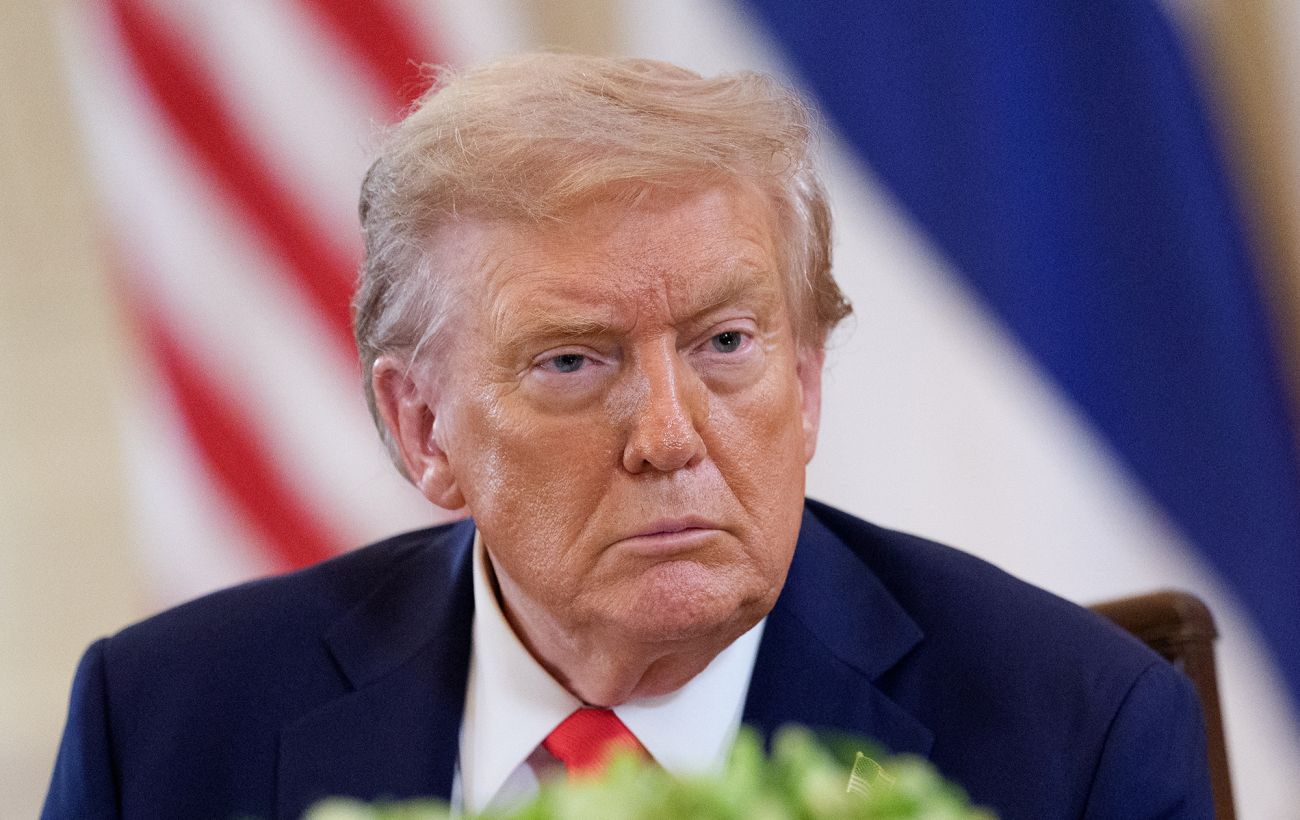
The Trump administration has clarified that it currently does not intend to initiate a ground invasion of Iran. Despite the recent deployment of additional troops, the United States is focusing on exerting strategic pressure without involving ground forces.
Secretary of State Marco Rubio emphasized that the U.S. can achieve its strategic objectives in Iran without deploying ground troops. He noted that the presence of military personnel enhances the President’s options.
“We can achieve all our goals without ground troops. But we will always be prepared to give the President maximum flexibility and the ability to adapt to unforeseen circumstances,” Rubio stated.
The White House reiterated that while the Pentagon is responsible for developing various scenarios, President Trump has no plans for a large-scale ground operation at this time.
In response, Tehran has warned that the consequences of rejecting a new agreement would be “stronger than ever before.”
Recent military reinforcements in the region include approximately 5,000 Marines and 2,000 paratroopers from the 82nd Airborne Division, dispatched to the Middle East. Although these actions have sparked speculation about a potential operation targeting Iranian oil hubs or nuclear facilities, analysts suggest that a full-scale invasion would require significantly more resources.
For context, over 150,000 American troops were deployed during the 2003 invasion of Iraq. The current U.S. strategy appears focused on resolving conflicts swiftly, with Rubio stating that “the war would end in weeks, not months.”
A critical issue remains the restoration of shipping in the Strait of Hormuz, vital for global oil trade. Trump has set a deadline for Iran to unblock this waterway, threatening strikes against the country’s energy infrastructure if it fails to comply.
Rubio has also engaged with G7 representatives in France to garner support from European allies regarding the security of the strait.
The Trump administration has ruled out a ground invasion of Iran, focusing instead on strategic pressure through military presence. Recent troop deployments aim to enhance options without escalating to a full-scale conflict, as tensions rise over the Strait of Hormuz.