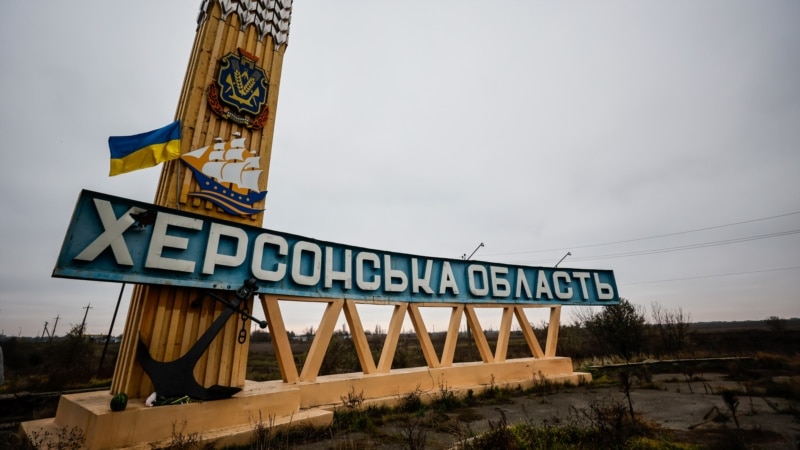
A 66-year-old woman was killed in Kherson on March 26 due to a Russian artillery strike, according to regional military administration head Oleksandr Prokudin. The incident occurred around 2:00 PM, resulting in injuries that were deemed incompatible with life.
Prokudin reported that nine other individuals sustained injuries from Russian attacks in the region over the past day. These assaults have involved various types of weaponry, including drones, missiles, and multiple rocket launch systems, targeting Ukrainian cities and civilian infrastructure across the country.
Ukrainian authorities and international organizations categorize these attacks as war crimes, asserting that they are deliberate in nature. The strikes on essential services and healthcare facilities aim to deprive civilians of electricity, heating, water supply, communication, and medical assistance, which some legal experts and human rights advocates argue may constitute acts of genocide.
Legal definitions of genocide include actions intended to destroy, in whole or in part, a national, ethnic, racial, or religious group. The Convention on the Prevention and Punishment of the Crime of Genocide, adopted by the United Nations General Assembly in 1948, obligates its 149 member states to prevent and punish acts of genocide during both wartime and peacetime.
Indicators of genocide can include the killing of group members, causing serious bodily harm, deliberately inflicting conditions calculated to bring about the group’s destruction, and public incitement to commit such acts. The Russian government, however, denies that its military is intentionally targeting civilian infrastructure, claiming that it does not engage in actions that result in civilian casualties or the destruction of hospitals, schools, and essential utilities.
A Russian artillery strike in Kherson resulted in the death of a civilian, with additional injuries reported. Ukrainian officials classify ongoing attacks on civilian infrastructure as potential war crimes and acts of genocide.