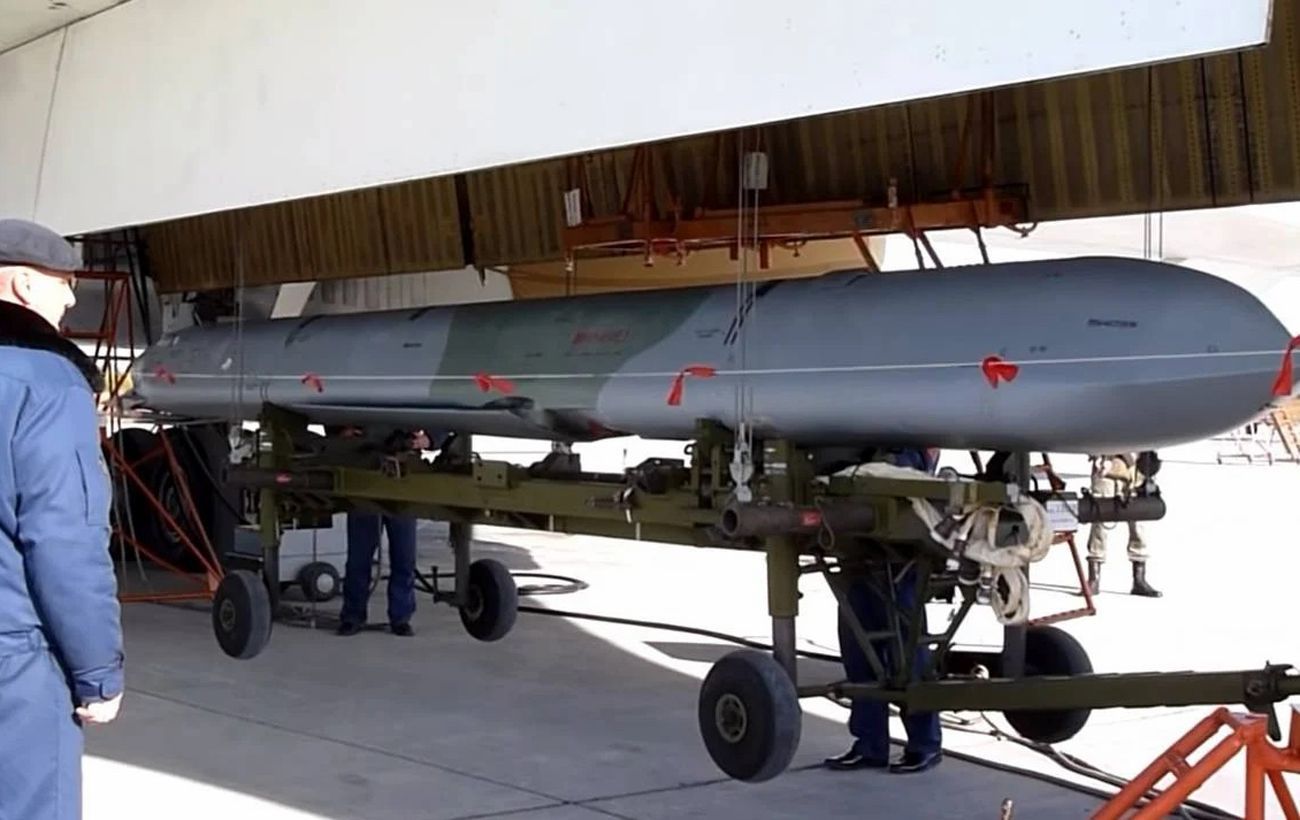
Speculation has emerged regarding Russia’s potential development of a ground-based version of the X-101 cruise missile, which is currently launched from Tu-95 and Tu-160 aircraft targeting Ukraine.
Defense expert Ivan Kyrychevskyi from the information and consulting agency Defense Express commented that there is no confirmation of such missile readiness at this time.
“Reports have suggested the existence of X-101P missiles that could be launched from the ground using solid-fuel boosters. However, there is no credible information supporting the development of such missiles; it seems more like a rumor,” Kyrychevskyi stated.
He noted that ground-based missiles are significantly harder to detect than aerial ones, as they can be launched closer to Ukraine’s borders. Nevertheless, Russia already possesses the ground-based Iskander-K cruise missiles, which are actively deployed in operations.
Aviation expert Kostiantyn Kryvolap added that if Russia’s defense sector is indeed working on a ground variant of the X-101, it could be a response to challenges faced with aerial launches during Operation Spider.
The X-101 is a Russian strategic cruise missile classified as air-to-surface. Its design began in the 1980s, based on the strategic X-55 missile, and it can carry up to 400 kg of explosives.
The missile underwent its first tests in 1995 and was officially adopted into service in 2012. Test results indicate a circular probable error of 7 meters at a range of 5,500 km, allowing it to theoretically destroy moving targets with an accuracy of up to 10 meters.
Rumors about a ground-based variant of Russia's X-101 cruise missile have surfaced, but experts indicate there is no confirmed development. The existing ground-based Iskander-K missiles are already in use, suggesting ongoing military capabilities.