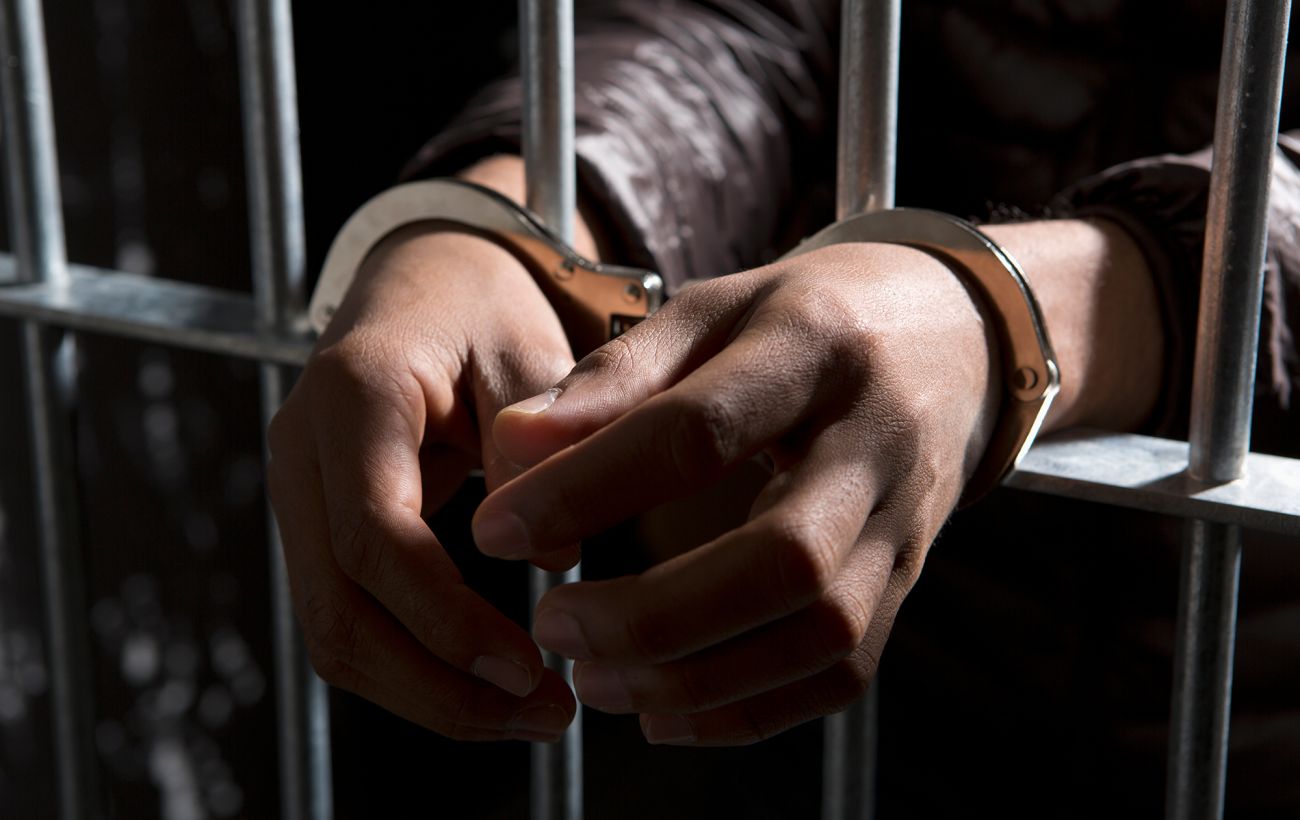
The Cuban government has confirmed the release of 51 prisoners, a decision reached after negotiations with the Vatican. This announcement, described by the Ministry of Foreign Affairs as a “gesture of goodwill,” follows extensive discussions between Havana and the Holy See.
This development comes just hours before a significant press conference by President Miguel Díaz-Canel, adding political weight to the timing. Analysts interpret this move as an effort to mitigate international criticism ahead of the leader’s important statements.
The release is expected to occur in the coming days, with official language citing “good behavior and the completion of a significant portion of their sentences.” Experts highlight the diplomatic pressure from the Vatican as a critical factor in this decision.
This is not the first instance of such collaboration; in January 2025, negotiations with the Vatican resulted in the release of prominent Cuban dissident José Daniel Ferrer, who subsequently moved to the United States. That agreement included provisions for the gradual release of over 500 individuals.
In a related context, the Cuban government has released statistics on pardons to underscore its commitment to humanitarian actions:
-
Since 2010: 9,905 individuals have been pardoned.
-
In the last three years: approximately 10,000 convicted individuals have been released early.
Despite the optimistic statements from authorities, the identities of the 51 individuals set for release remain undisclosed. A key point of interest is whether those convicted for participating in protests will be included in this group.
According to the human rights organization Prisoners Defenders, as of February 2026, there are still 1,214 political prisoners incarcerated in Cuba. If any of the released individuals are participants in anti-government protests, it could indicate the beginning of a genuine dialogue with civil society.
Cuba's government has announced the release of 51 prisoners following negotiations with the Vatican, aiming to address international criticism. The identities of those released remain undisclosed, raising questions about the inclusion of political prisoners.