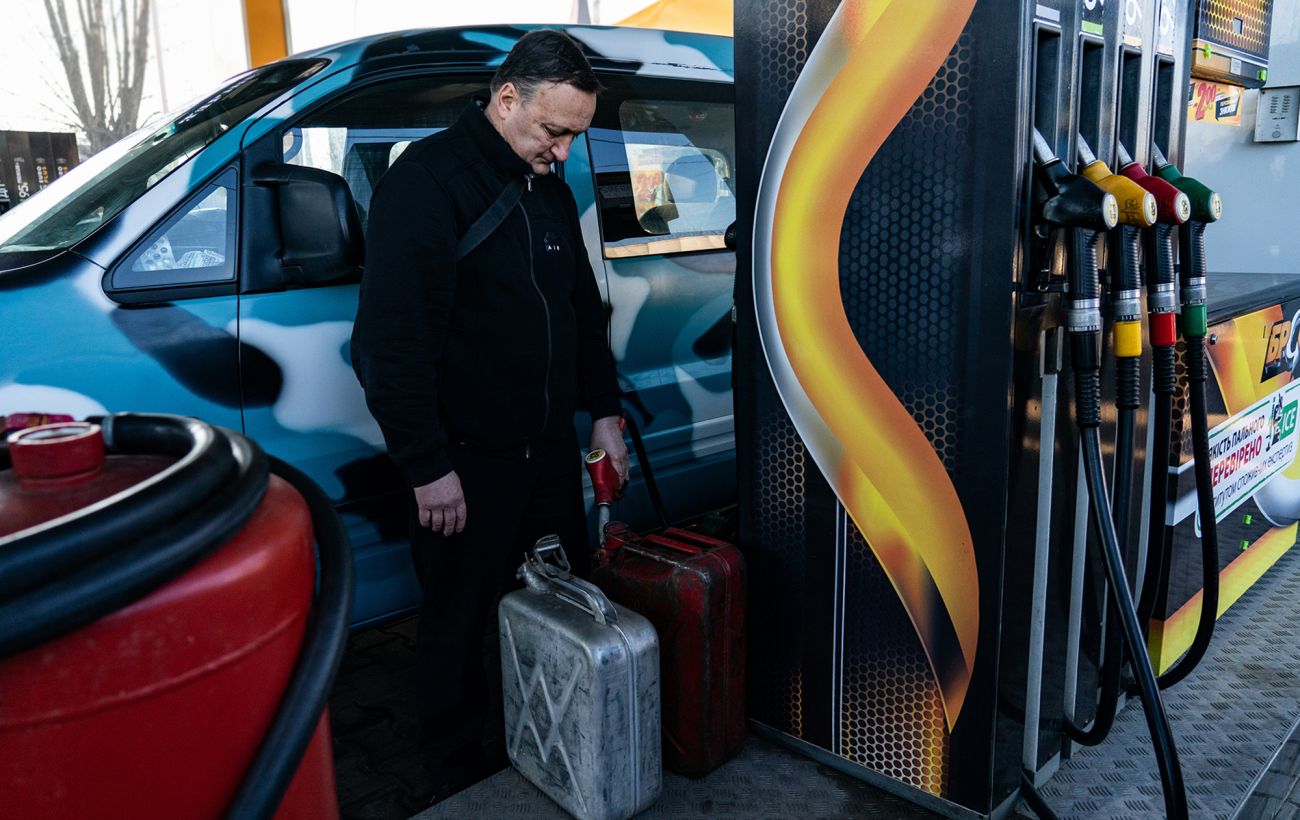
Recent geopolitical tensions in the Middle East have led to noticeable increases in fuel prices at gas stations, prompting some drivers to consider stockpiling gasoline. This article explores the implications of fuel storage, including its viability and safety concerns.
Key Points:
- Shelf Life: Modern fuels typically last only 3 to 6 months before they begin to degrade, which can lead to engine problems.
- Storage Conditions: Fuel should be kept in a cool, airtight container to prevent spoilage, often requiring specialized chemical stabilizers.
- Economic Considerations: The government is taking steps to stabilize fuel prices, suggesting that panic buying may be unnecessary. Additionally, the costs associated with proper storage can exceed the price of purchasing fuel directly from stations.
Fuel naturally degrades over time due to its chemical composition. According to Ukrainian standards, gasoline has a guaranteed shelf life of at least six months. During storage, fuel can lose volatile compounds, accumulate resin deposits, and undergo oxidation and separation. As a result, additives in outdated gasoline can break down, leading to performance issues.
Experts highlight that modern fuels are particularly susceptible to degradation. Ihor Bilous, a technical coordinator at Liqui Moly Ukraine, notes that the chemical composition of contemporary gasoline and diesel includes various compounds that increase their vulnerability to oxidation and separation. Legislative requirements in Europe and Ukraine mandate the addition of ethanol, which can further exacerbate these issues. The variability in ethanol content—ranging from 5% to 20%—makes it challenging for drivers to gauge fuel quality accurately.
Typically, experts recommend a maximum storage period of three months for gasoline and diesel, although some fuels may last longer under optimal conditions. However, there is no guarantee that all fuel purchased will be of the same quality.
To extend the shelf life of fuel, the chemical industry offers stabilizers that can significantly slow down degradation. These products can be added to fuel in specific dosages, but manufacturers do not guarantee that they will make fuel suitable for long-term storage.
While there are specially formulated fuels designed for long-term storage, such as those produced under the Ukrainian standard DSTU 8704:2017, these are typically reserved for specialized applications, such as military reserves, rather than for general consumer use.
Drivers considering stockpiling fuel should be aware of several risks:
- Fire Hazard: Storing fuel, whether in small containers or large drums, poses an increased risk of fire, especially in unpredictable environments.
- Odor: Even with high-quality storage containers, fuel can emit strong, sometimes toxic odors, particularly during temperature fluctuations.
- Storage Duration: Drivers must regularly monitor the age of stored fuel and refresh it every few months.
- Refueling Challenges: Transferring fuel from containers to a vehicle can be cumbersome, requiring specific tools to avoid complications.
To ensure that fuel retains its properties for as long as possible, certain storage conditions should be met:
- Oxygen Exposure: Minimize contact with air to reduce oxidation. Containers should be airtight, with a small air gap to accommodate temperature-induced volume changes.
- Cleanliness: Containers must be free of moisture and contaminants. Old metal containers should be rinsed with fuel to remove rust particles.
- Temperature Control: Fuel should be stored in a cool environment, avoiding places like car trunks or balconies, which can be hazardous.
While using old fuel may not cause severe damage to vehicles, it can lead to various operational issues:
- Starting Difficulties: Fuel that has lost volatile components may make it hard to start the engine.
- Engine Performance: Degraded fuel can result in unstable engine operation, affecting power and RPM.
- Detonation Risks: Reduced octane or cetane ratings can lead to knocking noises under load, which can be harmful.
- Clogging: Resin build-up in old fuel can contaminate the fuel system, requiring cleaning.
In light of rising fuel prices, Danilo Hetmancev, head of the parliamentary committee, has urged the fuel market to avoid exploiting consumer anxiety for profit. The Antimonopoly Committee of Ukraine has also demanded explanations from gas stations regarding price increases. As a result, while prices may not revert to previous levels, they are expected to stabilize.
For those still considering stockpiling fuel, it is crucial to ensure proper storage conditions and to factor in the costs of stabilizers, which can add to the overall expense.
As of the latest reports, the average price for a liter of A-95 gasoline ranges from approximately 71 to 81 UAH, depending on the gas station.
As fuel prices rise due to geopolitical tensions, drivers are considering stockpiling gasoline. However, experts warn about the risks and limitations of fuel storage, including degradation and safety hazards. Proper storage conditions and awareness of costs are essential for those contemplating this option.