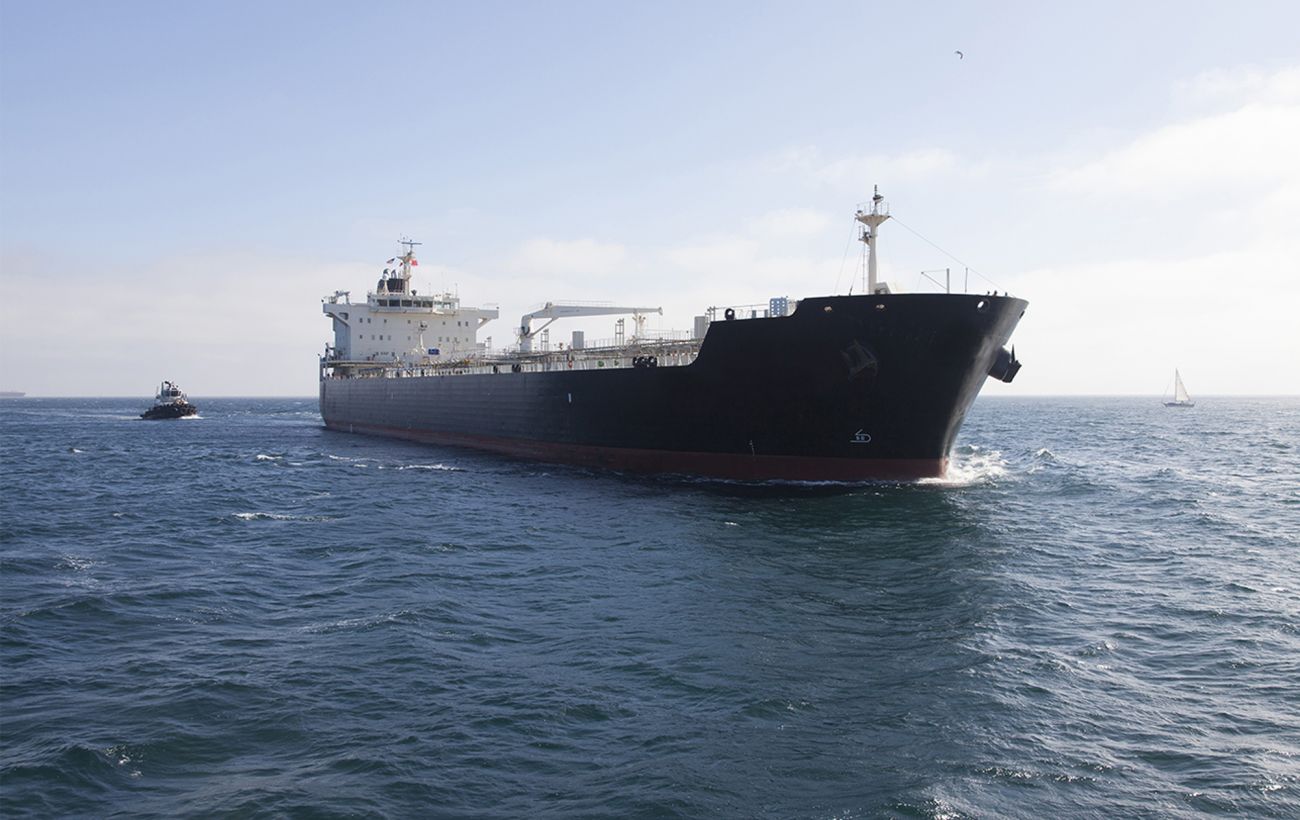
Recent tensions in the Gulf have led to a significant increase in oil and natural gas prices. This spike follows the U.S. Navy’s seizure of an Iranian ship, which came after Iranian forces targeted European vessels and reasserted control over the Strait of Hormuz.
Brent crude oil prices rose by 7.9%, recovering much of the decline seen earlier in the week when announcements were made regarding the reopening of the Strait of Hormuz. Concurrently, European gas prices surged by 11% amid escalating conflict in Iran.
Haris Khurshid, Chief Investment Officer at Karobaar Capital LP in Chicago, noted, “The market still carries a risk premium as the deadline approaches, but it is not fully adhering to it.” He added, “If the situation continues as it is, you will likely see a gradual increase to around $105–115, but with significant fluctuations due to news headlines.”
The incident involving the Iranian ship marks a notable escalation in U.S.-Iran relations. On Sunday evening, former President Donald Trump announced that U.S. Navy forces fired upon and captured the Iranian vessel in the Gulf of Oman after it failed to heed warnings to stop while exiting the Strait of Hormuz. This confrontation represents the first major clash in a week-long blockade.
This event unfolded just hours after discussions regarding potential peace talks in Islamabad, where Trump expressed optimism about reaching an agreement, while Iranian representatives indicated that there was no “clear prospect” for negotiations.
The Iranian refusal to engage in talks is attributed to the U.S.’s hardline stance on Iran, particularly concerning nuclear deterrence against the Islamic Republic.
The recent seizure of an Iranian vessel by the U.S. Navy has led to a sharp rise in oil and gas prices, reflecting heightened tensions in the region. This incident underscores the ongoing complexities in U.S.-Iran relations amid stalled peace negotiations.