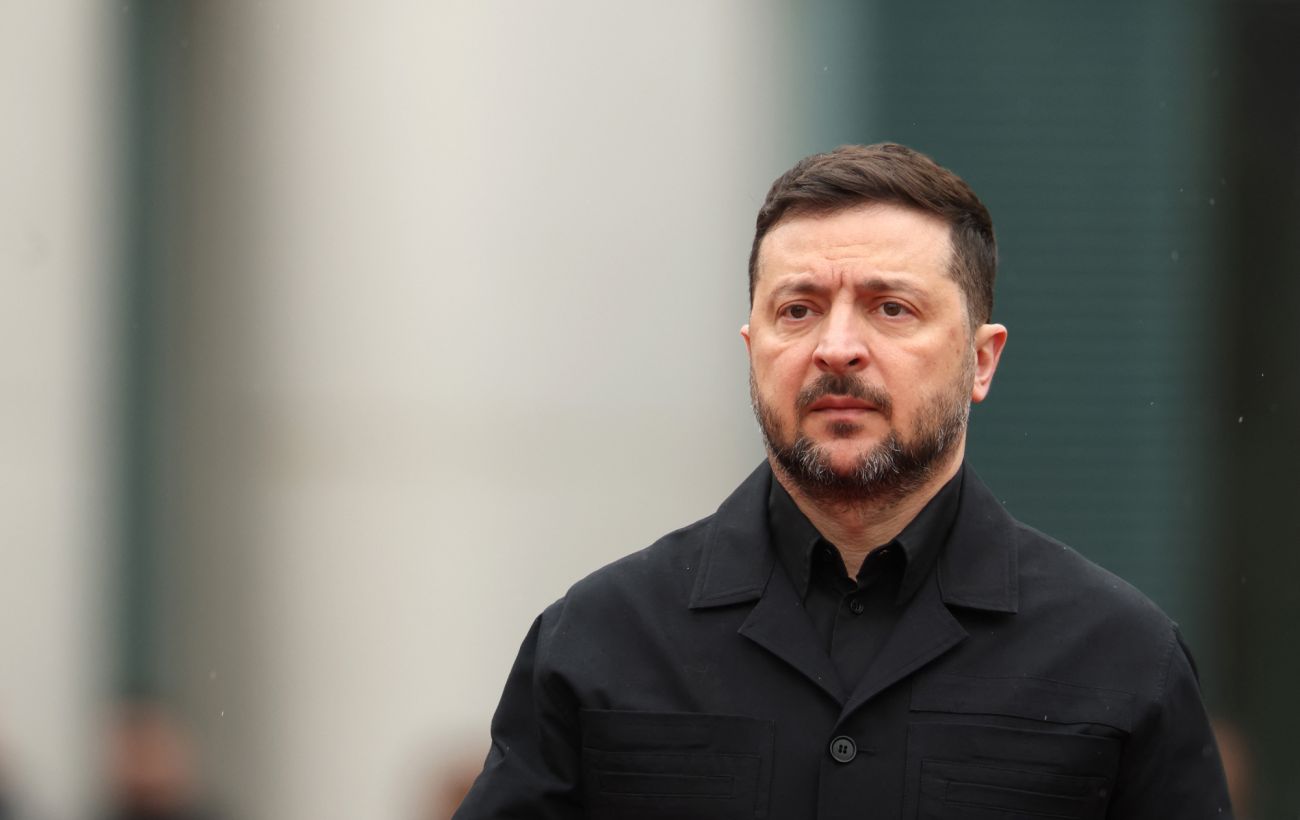
On the Day of Remembrance and Victory over Nazism, Ukrainian President Volodymyr Zelenskyy characterized the current Russian aggression as a “renewed version of Nazism.” His remarks coincided with commemorations across Europe marking the end of World War II.
Zelenskyy reflected on the historical significance of the day, noting it symbolizes the conclusion of one of the most devastating conflicts of the 20th century, a war that was expected to usher in lasting peace. He emphasized that the cessation of hostilities in World War II was a moment of hope for a future free from violence.
The president acknowledged the profound impact of the war on Ukraine, describing it as a battleground marked by brutality, oppression, and significant loss of life. He pointed out that the Ukrainian people suffered some of the highest casualties during the conflict and played a crucial role in the defeat of Nazi forces.
According to Zelenskyy, millions of Ukrainians fought alongside the Allied forces against Nazism, contributing significantly to the victory. He stated that many Ukrainians were among those who triumphed, doing everything possible to ensure that such profound evil did not prevail.
However, Zelenskyy underscored that 81 years later, Ukraine finds itself once again confronting a form of evil rooted in a similar ideology of hatred. He stated, “Unfortunately, after 81 years, we are once again compelled to halt an evil that brings nothing but destruction and suffering, based on a similar ideology of hatred. This is a renewed version of Nazism, marked as ‘made in Russia.'”
The president called for a united global response to counter Russian aggression. He asserted that protecting human lives and the freedom of nations from President Putin’s regime is a fitting tribute to those who resisted Hitler’s attempts to dominate Europe and the world.
Ukrainian President Volodymyr Zelenskyy marked the Day of Remembrance and Victory over Nazism by drawing parallels between historical and contemporary conflicts. He emphasized the need for global unity against Russian aggression, which he described as a modern manifestation of Nazism.