Recent reports have suggested a noticeable decrease in swallow populations across Ukraine, prompting concerns among bird watchers and environmentalists. Ornithologist Vitaliy Hryshchenko provides insights into the current status of these birds, their nesting habits, and their migratory patterns.
Population Trends of Swallows
Assessing the exact decline in swallow numbers is challenging due to the absence of a comprehensive monitoring program for bird populations in Ukraine. Hryshchenko indicates that fluctuations may not necessarily reflect a genuine decrease but could instead be attributed to the redistribution of swallows across different regions.
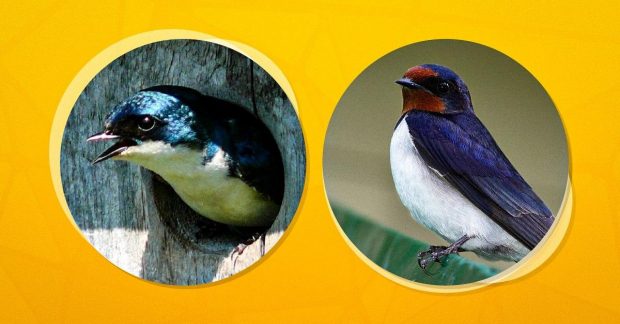
Three primary species of swallows are prevalent in Ukraine: the barn swallow, the urban swallow, and the sand swallow. These species are named based on their nesting preferences rather than their habitats. For instance, barn swallows typically build their nests under roofs and overhangs of wooden structures, while urban swallows prefer nesting on stone and concrete buildings. Sand swallows, on the other hand, excavate burrows in riverbanks.
Hryshchenko emphasizes that the perception of fewer swallows in certain areas may stem from limited nesting opportunities in their traditional environments. Urban development complicates the nesting process for urban swallows, as access to suitable materials and moisture becomes increasingly difficult.
Nesting Preferences and Construction
The choice of nesting materials, such as mud and clay, influences where swallows build their nests. They seek locations that provide shelter from rain, making roofs and overhangs ideal spots for construction.
Migratory Patterns
Swallows migrate long distances, often traveling to Africa for the winter months. They rely on warm weather to find food, primarily insects. Hryshchenko notes that barn swallows are the first to return to Ukraine, with sightings reported as early as April 7. Urban and sand swallows typically arrive later in the month.
The Importance of Nest Preservation
Contrary to some beliefs, swallows do not inhabit the same nest for life. Their nests are not permanent structures; they are easily damaged and rebuilt each year. While swallows may reuse old nests, they often construct new ones nearby if their previous nests are occupied by other birds, such as sparrows.
Hryshchenko points out that cultural beliefs surrounding swallows, which regard them as harbingers of spring, contribute to the reluctance to disturb their nests. This perspective underscores the perceived significance of swallows in local folklore.
Longevity and Monogamy
Swallows generally have a lifespan of 10 to 15 years, depending on environmental conditions. While they exhibit some monogamous behavior during a breeding season, they typically form new pairs each year, rather than maintaining lifelong partnerships.
Behavioral Indicators of Weather Changes
Hryshchenko explains that swallows may exhibit specific behaviors in response to changing weather conditions. For instance, they tend to fly lower when bad weather approaches, as insects also descend closer to the ground. Conversely, during warm weather, both insects and swallows fly at higher altitudes.
Understanding the ecological role and behavior of swallows is crucial for their conservation and the preservation of biodiversity in Ukraine.
This article explores the current status of swallow populations in Ukraine, examining factors influencing their nesting habits and migratory patterns. Insights from ornithologist Vitaliy Hryshchenko shed light on the challenges these birds face and the significance of their preservation.