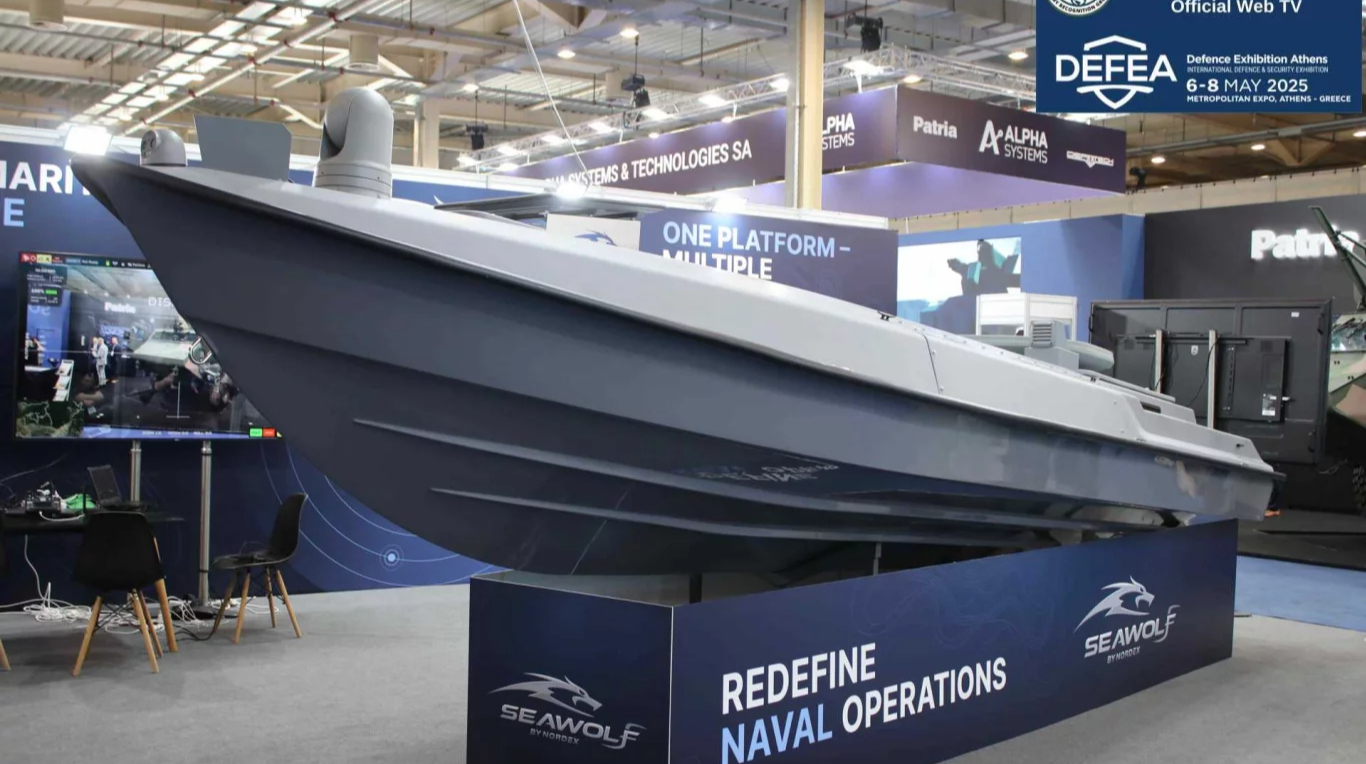
Ukraine’s intention to jointly produce naval drones with Greece has sparked concerns regarding operational control in military scenarios. This demand has reportedly created friction in ongoing negotiations between the two nations.
In November 2022, Ukraine and Greece reached an agreement to collaborate on the production of unmanned surface vessels (USVs). The initiative aims to leverage Ukrainian drone technology, with Greek shipyards expected to play a significant role in the manufacturing process.
The strategic deployment of USVs in the Black Sea is crucial for Ukraine as it seeks to counter Russian naval activities. Conversely, Greece views this collaboration as a means to enhance its maritime capabilities in the Aegean Sea, where it has ongoing disputes with Turkey, which developed its first USV in 2021.
However, reports from Greek media indicate that Ukraine has requested the authority to approve the use of these naval drones by Greek armed forces in the event of armed conflict. This stipulation has led to complications in the negotiation process, as Athens is reportedly resistant to this condition.
Greek officials are concerned that Ukraine’s demand may reflect an attempt to maintain a delicate balance in its relations with Turkey, which Athens perceives as a key player in the geopolitical landscape, particularly regarding its interactions with Russia. Ukrainian representatives have not acknowledged this perspective during discussions, according to Greek sources.
Earlier this year, Greece announced plans to develop a counter-drone defense system for its airports, highlighting the growing emphasis on drone technology within the region. The discussions surrounding the USV initiative come in the wake of Ukrainian President Volodymyr Zelensky’s visit to Greece in November 2022, which aimed to strengthen bilateral ties.
Ukraine's joint naval drone project with Greece is encountering negotiation hurdles, primarily over operational control in military contexts. The situation highlights broader geopolitical tensions involving Turkey and Russia.
Source: Euractiv