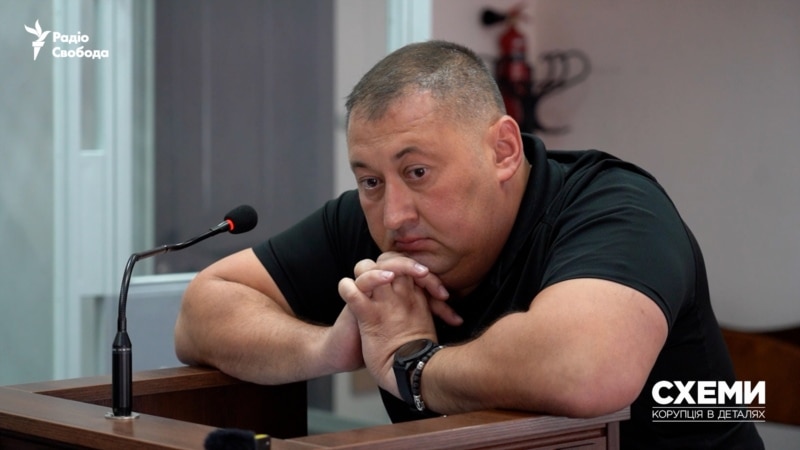
In a significant ruling, Ukraine’s High Anti-Corruption Court has determined that the assets belonging to the family of a prominent figure are unjustified and has ordered their civil confiscation. This decision marks a notable step in the country’s ongoing efforts to combat corruption.
The court’s ruling is part of a broader initiative in Ukraine to enhance transparency and accountability among public officials and their families. The assets in question were found to be inconsistent with the declared income of the individual, raising concerns about their legitimacy.
As Ukraine continues to grapple with corruption, particularly in the wake of the ongoing conflict, such judicial actions aim to restore public trust in government institutions. The High Anti-Corruption Court was established to address corruption at high levels and has been instrumental in prosecuting cases that involve significant financial misconduct.
This ruling not only underscores the court’s commitment to tackling corruption but also serves as a warning to other officials regarding the scrutiny of their financial dealings. The civil confiscation of assets is a legal measure that allows the state to reclaim property believed to have been acquired through illicit means.
While the decision has been welcomed by anti-corruption advocates, it also highlights the challenges that remain in enforcing accountability within the political system. The effectiveness of such measures will depend on the continued support for judicial independence and the rule of law in Ukraine.
The Ukrainian High Anti-Corruption Court has ordered the civil confiscation of assets belonging to a prominent figure's family, citing their unjustified nature. This ruling reflects ongoing efforts to combat corruption and restore public trust in government institutions.