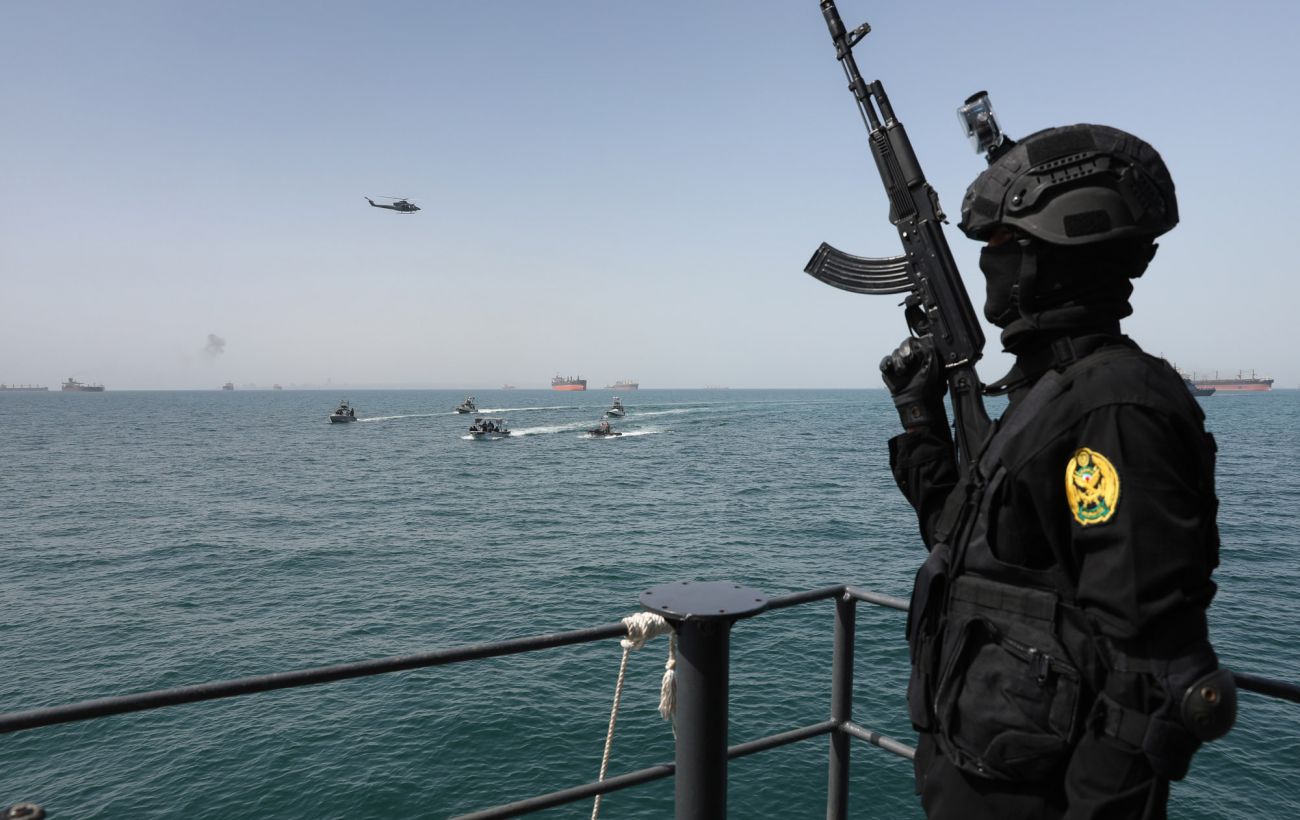
The Iranian government has announced the deployment of small submarines in the Strait of Hormuz, a strategic waterway, following a series of failed negotiations with the United States.
Officials in Tehran described these mini-submarines as serving the role of an “invisible guardian” of the Strait. The submarines in question are of the Ghadir class, with estimates from the International Institute for Strategic Studies indicating that Iran possesses at least 16 of these vessels. Each submarine is capable of carrying two torpedoes or two Chinese-made C-704 anti-ship missiles.
Sources familiar with the situation noted that these submarines are significantly noisier than modern submarines, and their crews have limited combat experience. Additionally, there are reports of ongoing maintenance issues affecting the vessels.
The decision to deploy the submarines reportedly followed remarks by U.S. President Donald Trump regarding the potential resumption of military escort operations for ships in the region.
Iran has effectively restricted access to the Strait since U.S. and Israeli strikes in late February, leading to increased challenges for commercial tanker traffic in the area.
Experts suggest that the primary purpose of these mini-submarines extends beyond possible offensive operations; they also serve as a demonstration of strength and a means of deterrence. Iran has already been utilizing missiles and drones for similar purposes.
However, the geography of the Strait complicates the covert operation of submarines. The water depth is approximately 100 meters, making it easier for sonar systems to detect submarines.
Iran has deployed mini-submarines in the Strait of Hormuz, aiming to assert control following tensions with the US. The submarines are intended for both deterrence and potential offensive operations, despite challenges in their operational effectiveness.