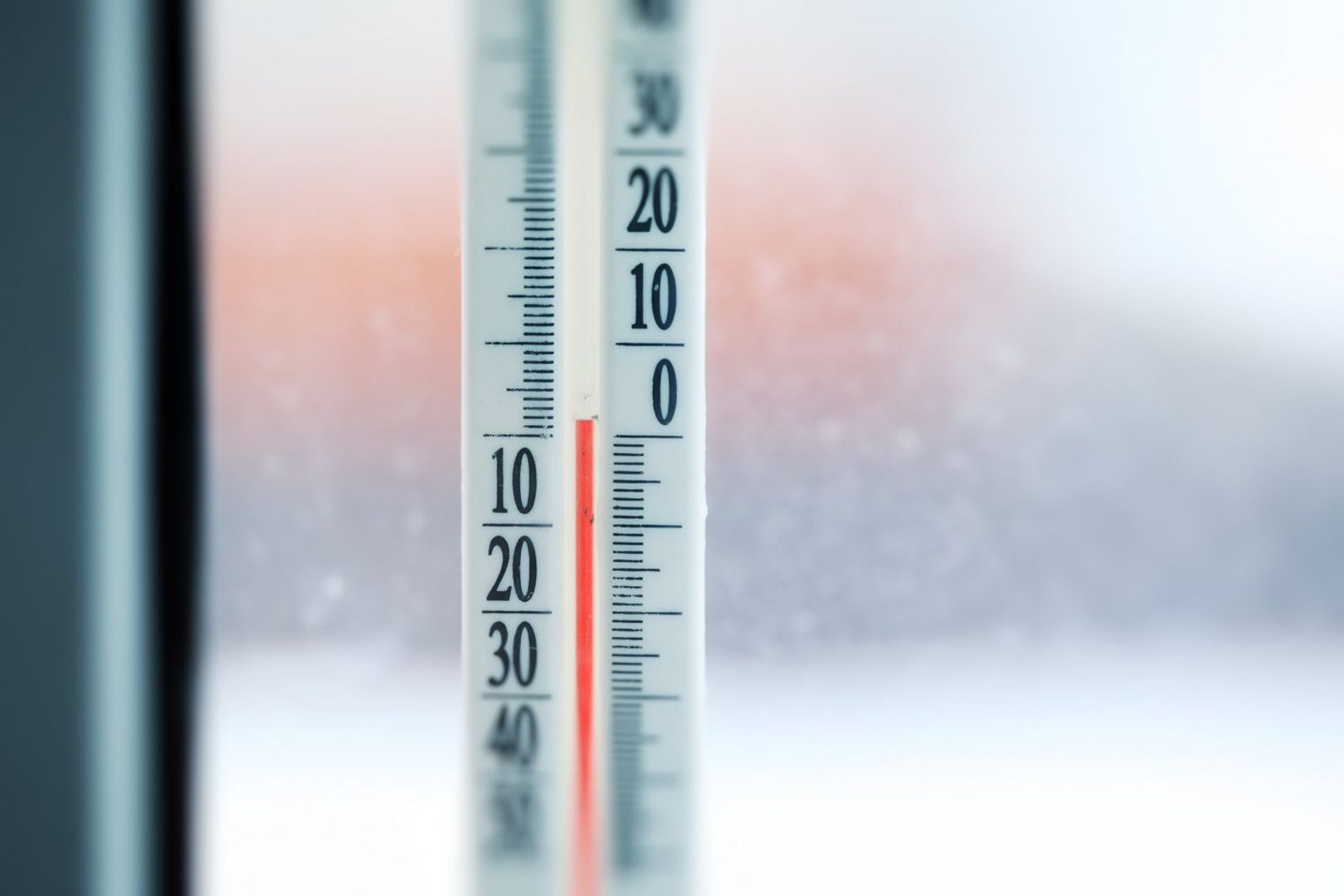
Recent abnormal temperature readings at a Météo-France station near Paris-Charles de Gaulle Airport have sparked a criminal investigation, revealing significant vulnerabilities in the data underpinning financial markets. Reports indicate that these anomalies were linked to substantial profits from bets placed on Polymarket, raising questions about the reliability of data used for financial settlements.
The incident underscores a broader issue: as financial markets expand into diverse areas, including weather and cryptocurrency, the integrity of the data used for settlement becomes increasingly critical. While many focus on preventing similar occurrences, the more pressing concern is the systemic weaknesses that allowed such a situation to arise.
In the same week, Polymarket launched perpetual futures contracts across various asset classes, including cryptocurrencies and commodities, illustrating the convergence of different trading domains. This expansion highlights a trend where markets are increasingly based on observable outcomes, yet the potential for manipulation grows as the data infrastructure remains fragile.
The so-called ‘oracle problem’ in decentralized finance, which pertains to the challenge of integrating reliable real-world data into automated financial systems, is exemplified by the CDG incident. A financial market was relying on a single temperature reading from one location without adequate cross-referencing or anomaly detection. This lack of safeguards raises significant concerns regarding the robustness of data used in financial transactions.
Weather derivatives and various insurance products similarly depend on the accuracy of observational data. Despite advancements in pricing models and regulatory frameworks, the industry has not sufficiently invested in ensuring the integrity of the data that triggers payouts. This shortfall poses risks to the entire financial ecosystem.
As markets evolve to include every measurable risk, the focus must shift from merely enhancing trading platforms to developing a robust data certification layer. Questions about the accuracy of measurements, calibration of instruments, and the reliability of data sources must be addressed to prevent future incidents.
Looking ahead, the traditional insurance model is poised for transformation. The current process—characterized by claims adjusters and lengthy negotiations—was designed for a time when real-time data was scarce. With advancements in technology, such as satellite imagery and IoT sensor networks, the infrastructure for instantaneous, parametric risk transfer is being established.
In the near future, insurance payouts could be automated and executed almost immediately following an event, significantly reducing transaction costs and increasing transparency. This shift will not only enhance efficiency but will also fundamentally alter the architecture of risk transfer.
The CDG incident serves as a pivotal reminder of the critical importance of data integrity in the evolving landscape of financial markets. As the financialization of observable risks continues, the quality and reliability of the underlying data will be paramount.
The recent temperature anomaly at a Paris weather station has exposed vulnerabilities in the data integrity of emerging prediction markets. As financial markets expand, ensuring reliable data certification becomes crucial to prevent manipulation and enhance the efficiency of risk transfer.