The Russian government is increasingly tightening its grip on information access and global platforms, a trend that has been developing over several years. During the Kyiv StratCom Forum 2026, Vadym Skibitskyi, a representative of Ukraine’s military intelligence, stated that the restrictions on international platforms are part of a long-standing Kremlin strategy.
Skibitskyi emphasized, “What is happening in Russia did not begin today or even in 2022. The isolation of society has been a cornerstone of the stability of the Putin regime.” This ongoing effort aims to shift the population towards services controlled by Russian security agencies.
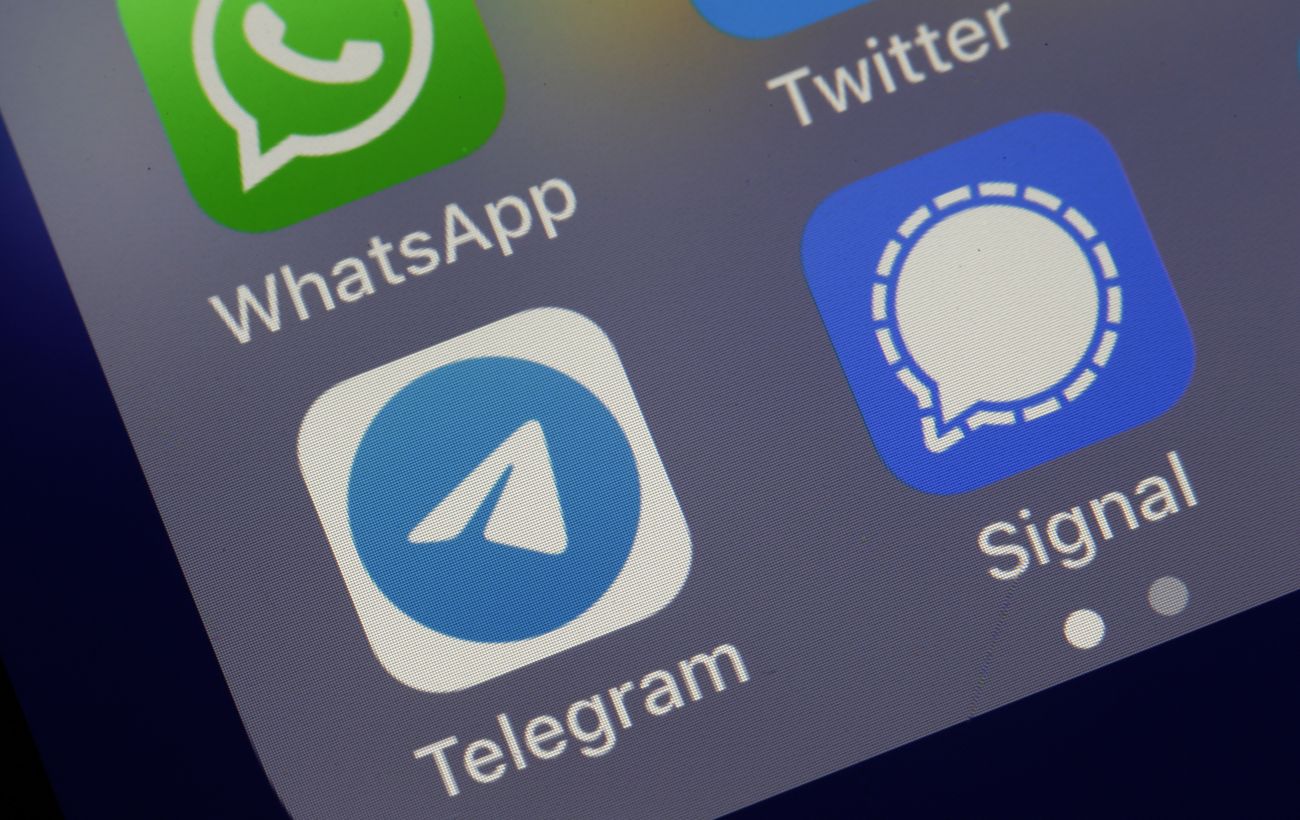
Following the blocking of Facebook and Instagram in 2022, the Kremlin has now moved to impose restrictions on YouTube. In 2026, control over messaging platforms such as Telegram, WhatsApp, and TikTok was further strengthened. Despite these measures, international services remain widely used among the Russian populace:
- Telegram – 71%;
- WhatsApp – approximately 60%;
- TikTok – around 54%;
- YouTube – about 53%.
Military intelligence forecasts suggest that these usage rates may decline significantly in the coming years. The intensified digital isolation is expected to not only push out independent content but also foster an environment of self-censorship and fear.
Skibitskyi noted, “The extent of state censorship and how much security services control media resources leads people to fear sharing certain narratives and content.” This evolving landscape poses challenges for free expression within Russia.
The Russian government is reinforcing its control over information and digital platforms, aiming to isolate society further. Despite current popularity of international services, forecasts indicate a decline in their usage as state censorship increases, fostering self-censorship among users.