In a significant political shift, the opposition party “Tisa,” led by Peter Madyar, has emerged victorious in Hungary’s parliamentary elections, securing a majority with nearly 99% of votes counted. This outcome marks a pivotal moment in Hungarian politics, as Prime Minister Viktor Orban has acknowledged his defeat.
President of Ukraine, Volodymyr Zelensky, congratulated Madyar and his party on their electoral success, expressing hopes for constructive relations with the new Hungarian government. Ukrainian Foreign Minister Andriy Sibiga emphasized Ukraine’s readiness to develop neighborly relations with Hungary.
Madyar stated that Hungary has entered a new chapter by displacing Orban’s regime, positioning the country as a strong ally within Europe and NATO. He also indicated plans for his first visit to Poland, underlining a commitment to regional cooperation.
In a notable policy stance, Madyar mentioned that while Hungary will continue purchasing Russian oil, efforts will be made to diversify energy sources. Additionally, he expressed support for a previously agreed-upon €90 billion financial aid package for Ukraine but opposed expedited EU membership for Ukraine.
Meanwhile, tensions in the Middle East escalated as the United States initiated a full maritime blockade of Iranian ports. President Donald Trump announced that any Iranian vessel approaching the blockade would be destroyed. This decision has drawn mixed reactions internationally, with the UK declining to send military ships but offering minesweeping vessels instead.
Trump indicated that several countries would join the blockade, while UK Prime Minister Keir Starmer publicly opposed the U.S. move. In response, Iranian officials warned that such actions could lead to rising gasoline prices in the U.S.
Amid these developments, intermediaries from Pakistan, Egypt, and Turkey are set to continue negotiations with the U.S. and Iran to resolve ongoing conflicts and seek a ceasefire agreement. The announcement of the blockade has already led to a spike in European natural gas prices, reflecting the broader economic implications of these geopolitical tensions.
In Israel, Prime Minister Benjamin Netanyahu expressed support for the U.S. blockade, further complicating the regional dynamics. As military readiness increases, Israeli forces remain on alert, awaiting directives from the U.S. administration.
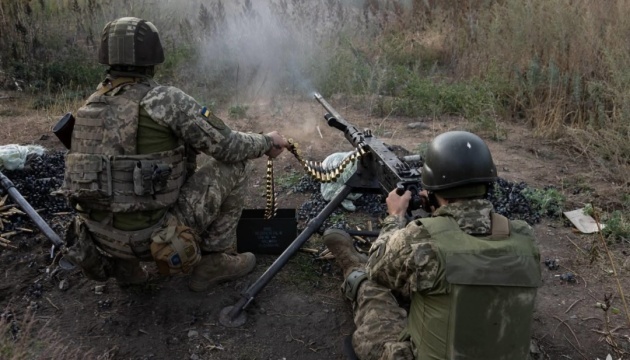
The situation remains fluid, with ongoing military engagements in Ukraine as well. Reports indicate that Russian forces have intensified their offensive operations, particularly in the Pokrovsk direction, while Ukrainian defense forces have adapted their strategies to maintain control over critical areas.
As the political landscape in Hungary shifts and tensions in the Middle East rise, the international community watches closely, anticipating the potential ramifications for regional stability and international relations.
Hungary's opposition party "Tisa" led by Peter Madyar has won the parliamentary elections, signaling a shift in governance. Concurrently, the U.S. has initiated a maritime blockade of Iranian ports, escalating tensions in the Middle East.
