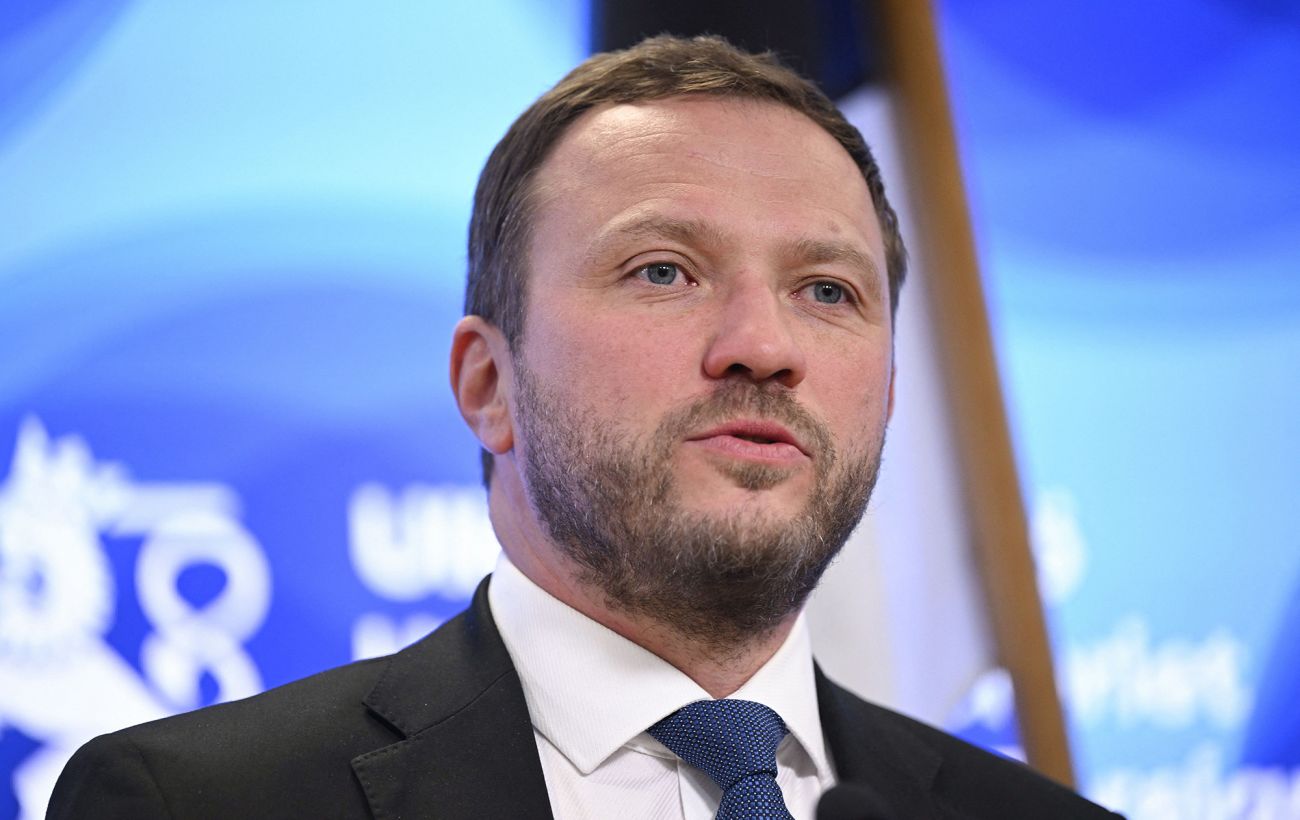
Estonian officials are advising European nations to refrain from direct negotiations with Russia, citing the country’s current instability as a critical factor. Instead of seeking compromises, they argue that European allies should intensify sanctions against Moscow.
According to Estonian diplomat Urmas Reinsalu, Russia has increased its outreach to European countries amid economic difficulties and a lack of significant military progress in the fifth year of its invasion of Ukraine. He emphasized that the Kremlin’s primary aim is to find a way to retreat, suggesting that the West’s response should be to bolster restrictions rather than offer assistance to Russia.
“Now is not the time for talks or negotiations. It is time to apply pressure on Russia,”
Reinsalu stated during an interview at the Lennart Meri Conference in Tallinn. He expressed concern over the mindset of some European leaders who are eager to take diplomatic initiatives while U.S. efforts to mediate have stalled due to Washington’s focus on other conflicts, particularly in Iran.
Reinsalu cautioned against the notion that Russia’s weakened state warrants a rush to engage in dialogue. He remarked, “We are not very positive about the idea that everyone is hurrying to Moscow to start talking because Russia is weaker. Now is not the time.”
The Estonian diplomat believes that President Vladimir Putin is running out of options, with numerous rounds of Western economic sanctions yielding tangible results. In addition to significant battlefield losses, Ukraine has effectively targeted Russian oil extraction and shipping facilities deep within Russian territory.
Reinsalu also pointed to growing discontent within Russia due to internet disruptions and economic hardships as signs of the Kremlin’s vulnerability. He noted the substantial reduction of the military parade in Moscow for Victory Day on May 9 and the political shift in Hungary following the ousting of Prime Minister Viktor Orbán, a key ally of Putin in the EU.
This political change in Budapest has already enabled the EU to pass a new sanctions package and approve a €90 billion loan for Ukraine. Reinsalu remarked that the overall sentiment in Europe has shifted, with most countries recognizing that Russia is in a precarious position.
In recent developments, the Kremlin has been searching for a narrative of victory to prepare its citizens for a potential end to the conflict, amid growing fatigue within Russian society and an economic crisis. Ukrainian President Volodymyr Zelensky has indicated that Putin has been “nudged” towards considering genuine steps for conflict resolution, marking a shift in the Kremlin’s approach.
Zelensky noted that Ukraine has long been ready for a negotiation process. However, frustration is mounting within the European Union regarding the current negotiations led solely by U.S. President Donald Trump. In light of the risk of being sidelined from the peace process, European Council President Antonio Costa has suggested that Brussels is contemplating establishing its own direct communication channel with the Kremlin.
Estonian officials are urging European leaders to avoid direct negotiations with Russia, advocating for increased sanctions instead. As Russia faces internal challenges, the EU is reevaluating its diplomatic strategies amid ongoing conflict in Ukraine.