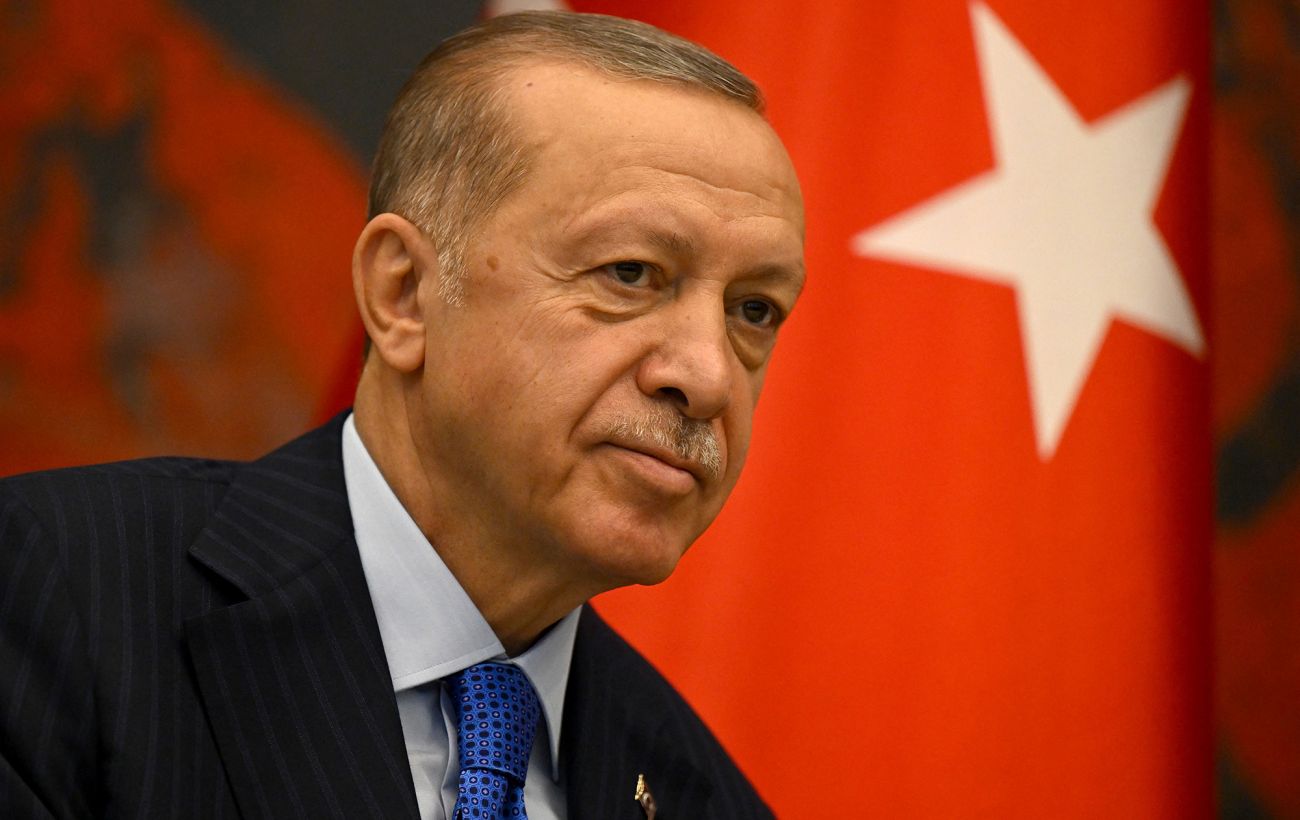
The NATO leaders’ summit is set to take place in Ankara on July 7-8, 2026, marking a significant event for the North Atlantic Alliance amidst evolving global security dynamics.
This summit will occur against a backdrop of increasing complexity in security threats, as emphasized by Turkish President Recep Tayyip Erdoğan. He stated that the current global landscape differs markedly from the conditions under which NATO was established, highlighting the diversification of risks and the erosion of the global order.
Erdoğan expressed Turkey’s anticipation of critical decisions that will shape the future of NATO, underscoring the necessity for equitable burden-sharing, genuine cooperation, and a unified understanding of security among member states.
In addition to addressing NATO matters, Erdoğan directed attention to the ongoing crisis in the Middle East, accusing Israel of attempting to destabilize the region for its own interests. He remarked, “Israel seeks to escalate this conflict throughout the region… driven by certain fantasies and utopias, Israel has repeatedly shown a willingness to ignite our region for its ambitions.”
The Turkish leader called for regional countries to unite against short-term calculations and to counter Israeli provocations to achieve lasting peace.
Preparations for the NATO summit are underway, with NATO Secretary General Mark Rutte planning to convene leaders from major European defense companies in Brussels next week. The primary aim of this meeting is to discuss increasing investments and production capacities for armaments, particularly long-range missiles and air defense systems, to lay the groundwork for significant decisions at the Ankara summit.
Furthermore, NATO is preparing to extend invitations to four Gulf countries to participate in the upcoming summit. Key topics for discussion with these new partners are expected to include countering Iran and addressing internal tensions within the Alliance.
Meanwhile, European allies are assessing the potential risks associated with a possible reduction of U.S. military presence in Europe. Defense circles speculate that following U.S. President Donald Trump’s decisions regarding Germany, Italy and Spain may also face a new wave of troop optimizations and reductions.
The upcoming NATO leaders' summit in Ankara is poised to address pressing global security issues and internal Alliance dynamics. Turkish President Erdoğan's remarks highlight the need for cooperation among member states and a unified response to regional challenges, particularly concerning Israel's actions in the Middle East.