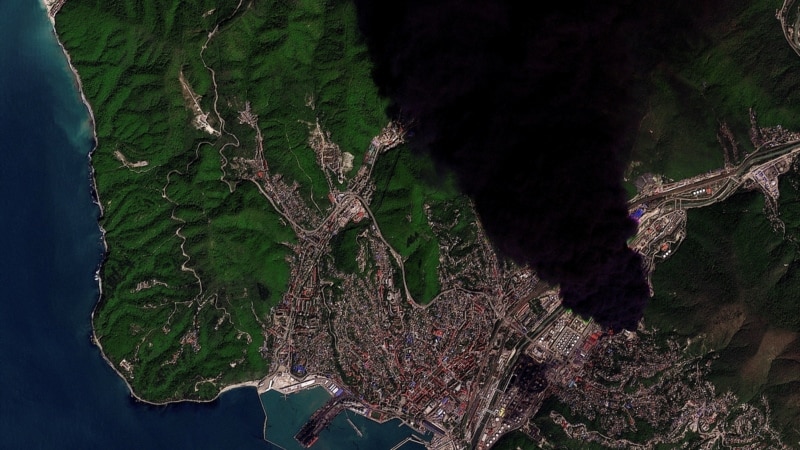
Recent analysis from the Institute for the Study of War indicates that Russia’s efforts to shield its population from rising global oil prices and damage to its oil infrastructure are limiting the country’s ability to capitalize on increased energy revenues.
The report, dated May 6, highlights that despite a significant rise in oil and gas revenues, the Russian government has implemented extensive subsidies for domestic oil companies, which have diminished the financial benefits from higher global prices.
According to data released by the Russian Ministry of Finance, revenues from oil and gas doubled in April 2026 compared to March, largely due to escalating global oil prices influenced by the ongoing conflict in Iran. The federal budget reportedly received nearly 917 billion rubles (approximately $12 billion) from mineral extraction taxes in April, up from 443 billion rubles (about $6 billion) the previous month, with oil revenues alone contributing around $10 billion.
However, the independent media outlet Vlast (formerly Faridaily) reports that the Russian government has significantly increased subsidies to support local oil companies, allocating nearly $4.68 billion to maintain low gasoline prices and to modernize and repair refineries. This financial support comes amid Ukraine’s sustained campaign to disrupt Russia’s oil export capabilities, effectively counteracting the additional revenue generated from rising oil prices.
Sources within the Russian Ministry of Finance anticipate further increases in oil and gas revenues for May 2026, despite the ongoing challenges.
The Institute for the Study of War concludes that Ukrainian military actions targeting Russian oil infrastructure will continue to constrain Moscow’s ability to benefit from oil sales amid rising prices. The report notes that critical Russian oil ports, such as Ust-Luga and Primorsk in the Leningrad region, are operating below capacity, hindering the Kremlin’s ability to fully exploit the advantages of higher oil prices and the easing of U.S. sanctions.
On May 6, the price of Brent crude oil fell by 9%, dipping below $100 per barrel. By the evening, it had slightly recovered to just above $102, marking a 7% decrease from the previous day’s closing price. Analysts suggest that the market is reacting to news of potential agreements between the U.S. and Iran to conclude ongoing hostilities.
The oil market remains sensitive to developments in the Middle East, especially since the conflict that began in late February has effectively closed the Strait of Hormuz, which previously accounted for one-fifth of global oil supplies. During the early stages of the conflict, oil prices surged to over $120 per barrel.
The Institute for the Study of War reports that Russia's oil revenue increases are mitigated by substantial domestic subsidies and ongoing damage to oil infrastructure, limiting financial gains despite rising global prices. Ukrainian attacks on key oil facilities continue to constrain Moscow's export capabilities.