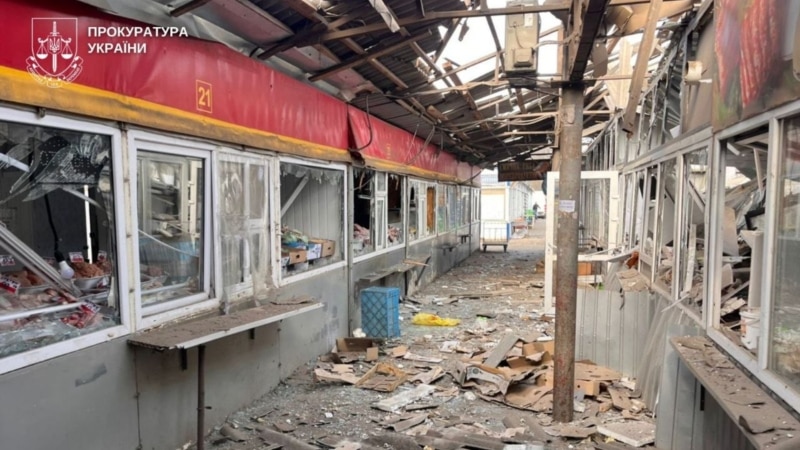
On April 4, a drone strike in Nikopol, a city in Ukraine’s Dnipropetrovsk region, resulted in the deaths of five individuals and injuries to nineteen others. The attack, attributed to Russian military forces, targeted a local market, causing significant destruction and raising concerns about the ongoing conflict’s impact on civilians.
The Office of the Prosecutor General of Ukraine confirmed the casualties and described the incident as another act of war crime by Russia. Among the deceased were three women and two men. A fourteen-year-old girl is reported to be in serious condition among the injured.
According to Oleksandr Hanža, the head of the regional military administration, the strike involved FPV (first-person view) drones, which ignited a fire and severely damaged commercial pavilions and a store. This incident is part of a broader pattern of attacks in the region, with Russian forces reportedly conducting over twenty assaults using drones, artillery, and aerial bombs in various areas of Dnipropetrovsk.
Nikopol, situated directly across the Dnipro River from territories occupied by Russia, frequently experiences such strikes. The ongoing conflict has led to regular assaults on Ukrainian cities and civilian infrastructure, with various types of weaponry being employed, including drones, missiles, and artillery.
Ukrainian authorities and international organizations have classified these attacks as war crimes, emphasizing their targeted nature. The strikes often aim at critical infrastructure, including energy systems and healthcare facilities, which are essential for civilian life.
Legal experts and human rights advocates have raised alarms about the potential classification of these actions as genocidal. They cite statements from Russian officials that question the existence of Ukrainians as an ethnic group and call for their destruction. Such rhetoric, combined with systematic attacks on civilian infrastructure, raises serious concerns about the intent behind these military operations.
The 1948 Convention on the Prevention and Punishment of the Crime of Genocide outlines the responsibilities of member states to prevent and punish acts of genocide. It defines genocide as actions intended to destroy, in whole or in part, a national, ethnic, racial, or religious group. The criteria for identifying genocide include the killing of group members, causing serious bodily or mental harm, and deliberately inflicting conditions calculated to bring about a group’s destruction.
Despite the mounting evidence and international condemnation, Russian leadership continues to deny that its military targets civilian infrastructure or engages in actions that could be classified as war crimes. This denial complicates the international response to the ongoing conflict and the humanitarian crisis unfolding in Ukraine.
The recent drone attack in Nikopol highlights the ongoing violence in Ukraine, resulting in civilian casualties and raising concerns about potential war crimes. As the conflict continues, the targeting of civilian infrastructure remains a critical issue for both Ukrainian authorities and international observers.