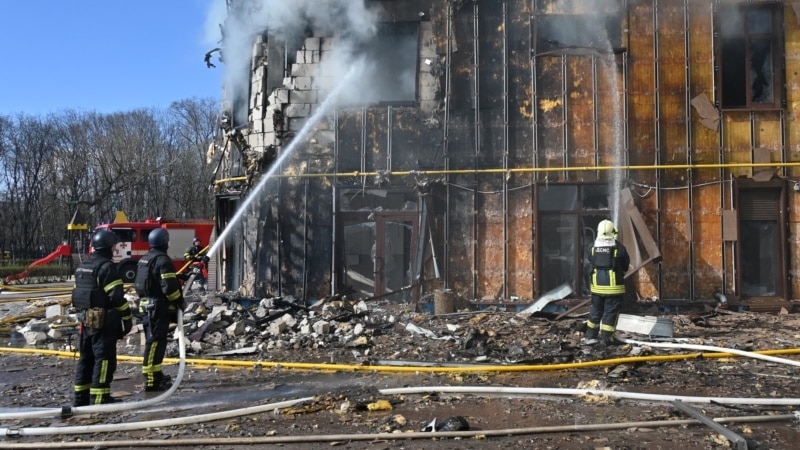
Recent attacks by Russian forces on Kharkiv have resulted in damage to residential properties and injuries to civilians, according to local authorities. The city’s mayor, Ihor Terekhov, reported that a strike involving a Shahed drone hit a private home in the Novobavarskyi district, igniting a fire and damaging seven houses in the area.
Terekhov indicated that another assault occurred in the Shevchenkivskyi district, though details regarding casualties or damage from this strike remain unclear. Oleg Synegubov, head of the regional military administration, confirmed that two individuals were injured in the Novobavarskyi district, including a 48-year-old woman who experienced acute stress reaction.
Located approximately 30 kilometers from the Russian border, Kharkiv has been subjected to frequent attacks, particularly from drones in recent months. Russian military operations have consistently targeted Ukrainian cities and civilian infrastructure across various regions, employing a range of weaponry including drones, missiles, and artillery systems.
Ukrainian authorities and international organizations have categorized these strikes as war crimes, emphasizing their deliberate nature. They assert that the bombardments aim to disrupt essential services such as electricity, heating, water supply, and medical assistance, which are critical for civilian survival.
Legal experts and human rights advocates have raised concerns that these actions may constitute genocidal behavior, as they align with definitions outlined in the 1948 UN Convention on the Prevention and Punishment of the Crime of Genocide. This convention obligates signatory nations to prevent and punish acts of genocide during both wartime and peacetime.
Key indicators of genocide, as defined by the convention, include acts intended to destroy a national, ethnic, racial, or religious group, such as killing group members, inflicting serious bodily or mental harm, and deliberately creating living conditions aimed at the group’s destruction.
Despite the evidence presented by Ukrainian officials and international bodies, Russian leadership denies that its military conducts targeted attacks on civilian infrastructure or that it intentionally harms non-combatants.
Recent Russian attacks on Kharkiv have led to civilian injuries and damage to residential areas, prompting concerns over potential war crimes and genocidal actions. Local authorities report ongoing assaults targeting essential services, raising alarms about the humanitarian impact of the conflict.