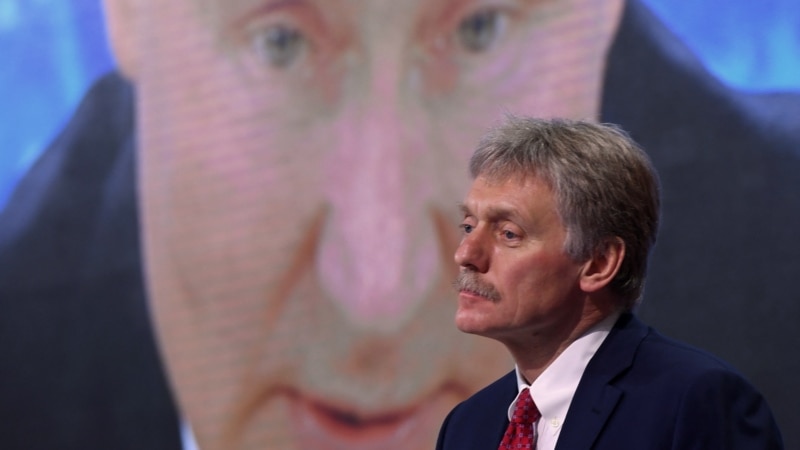
On April 2, Dmitry Peskov, spokesperson for President Vladimir Putin, confirmed that a proposal to contract with the Russian Ministry of Defense applies equally to students and workers. This announcement comes amid reports of covert mobilization efforts in Russia.
Peskov stated, “New forces have indeed been created, specifically for unmanned systems, which require personnel with the appropriate skills. There are offers available for those competent and willing to serve in these new military branches. This offer is open to everyone: workers, students, the unemployed, and those not currently employed.” His comments were made in response to journalists’ inquiries regarding the recruitment strategy.
Earlier in the week, Faridaily reported that Valery Falkov, the Minister of Science and Higher Education, informed university rectors that at least 2% of students would be expected to sign contracts with the Ministry of Defense. In 2025, approximately 2.2 million men were enrolled in Russian higher education institutions. If universities comply with this directive, around 44,000 students could potentially be contracted for military service. If technical colleges are included, this number may rise to 76,000.
Reports of student recruitment for military contracts, particularly for deployment in the ongoing conflict in Ukraine, began to surface in late 2025. Students are reportedly being incentivized with additional payments from their universities and threatened with repercussions, such as failing grades, if they refuse to enlist. The primary focus of recruitment appears to be for unmanned military units.
On March 20, Pavel Malkov, the governor of the Ryazan region, signed a decree mandating local enterprises to assist in identifying candidates for military service contracts. This document was published on the official legal information portal four days later, drawing attention from analysts at the Conflict Intelligence Team (CIT).
The decree requires each organization, regardless of ownership, to find and send between two to five individuals for military service between March 20 and September 20. This initiative is part of a broader strategy known as covert mobilization, which aims to replenish the armed forces without an official declaration of general mobilization.
Covert mobilization encompasses various methods, including the recruitment of contract soldiers, summoning reservists, and compelling employees and students to enlist. It also involves utilizing the potential of incarcerated individuals for military service.
Recent announcements from Russian officials indicate a push for military recruitment targeting students and workers, reflecting ongoing efforts to bolster military personnel amid the conflict in Ukraine. This strategy includes incentives and mandates for universities and local enterprises to facilitate enlistment.