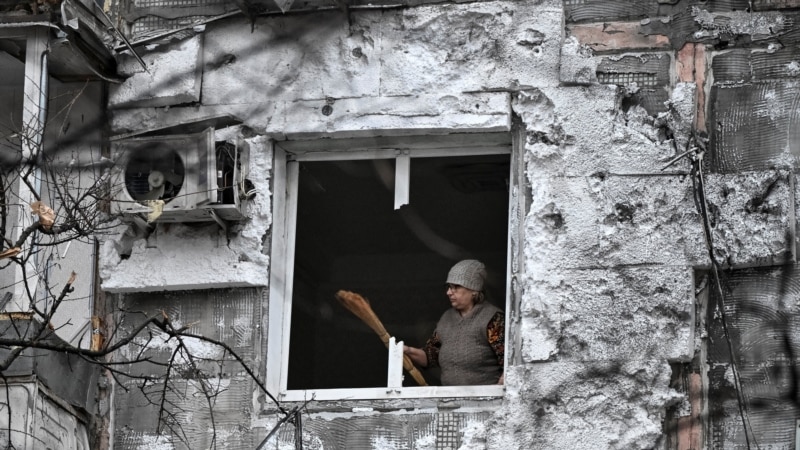
On the morning of March 17, Russian military forces launched an assault on Zaporizhzhia, injuring eight individuals, according to Ivan Fedorov, head of the regional military administration. The attack targeted a logistics operator’s terminal, highlighting the ongoing conflict’s toll on civilian areas.
Fedorov reported that six employees suffered concussions, while the condition of two others was assessed as moderate. In the broader context of hostilities in the Zaporizhzhia region, one person was confirmed dead and ten others injured due to Russian attacks within the same day.
Russian military operations continue to employ various weaponry, including drones, missiles, and multiple rocket launch systems, against Ukrainian cities and civilian infrastructure across the nation. Ukrainian authorities, along with international organizations, classify these strikes as war crimes, emphasizing their targeted nature.
Attacks on essential services and healthcare facilities aim to deprive civilians of electricity, heating, water supply, communication, and medical assistance, raising concerns about potential genocidal actions. Legal experts and human rights advocates argue that such actions align with definitions of genocide, citing several indicators, including:
- Public declarations by Russian officials suggesting the annihilation of Ukrainians as an ethnic group.
- Targeted assaults on critical infrastructure.
- Persecution of pro-Ukrainian individuals in occupied territories.
- Efforts to eliminate Ukrainian culture and identity, including the targeting of educators and artists.
- Forced deportation of children to Russia to alter their identity.
The 1948 United Nations Convention on the Prevention and Punishment of the Crime of Genocide obligates its 149 member states to prevent and punish acts of genocide in both wartime and peacetime. The convention defines genocide as actions intended to destroy, in whole or in part, a national, ethnic, racial, or religious group.
Russian leadership has consistently denied allegations that its military deliberately targets civilian infrastructure, resulting in civilian casualties and the destruction of hospitals, schools, and essential services.
As the conflict continues, the implications of these attacks on both humanitarian grounds and international law remain significant, raising urgent questions about accountability and the protection of civilians in conflict zones.
Recent Russian military strikes in Zaporizhzhia have resulted in multiple casualties, underscoring the ongoing impact of the conflict on civilian populations. Authorities classify these attacks as war crimes, raising serious concerns about the targeting of essential services and potential genocidal actions.