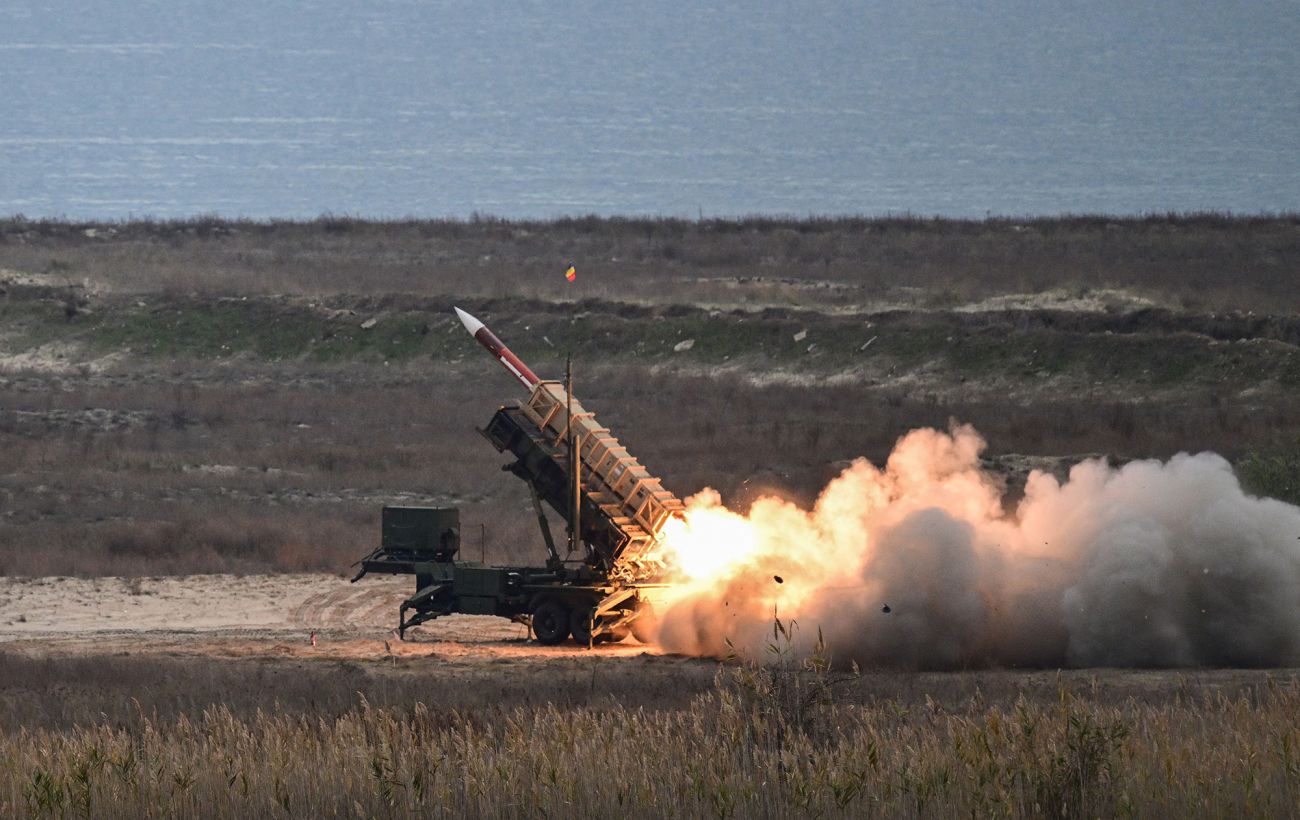
The European Union has exhausted its missile reserves for air defense systems as it continues to support Ukraine in the face of persistent Russian attacks. Further supplies are critically dependent on the stability of the global market, which is currently strained due to ongoing conflicts in the Middle East.
According to sources familiar with confidential meetings in Brussels, EU member states have already utilized their strategic reserves to assist Kyiv. Officials have warned that air defense resources are becoming scarce, and the situation could worsen if the conflict between the United States and Iran escalates.
Europe has taken on a leading role in financing military assistance to Ukraine; however, most advanced weaponry, including Patriot missiles, is manufactured in the United States.
The situation is further complicated by the ongoing conflict in the Persian Gulf, which is depleting global stocks of PAC-3 interceptors. In just the past 11 days, U.S. allies have launched over 1,000 of these missiles in the Middle East—more than Ukraine has received in the four years since the beginning of the full-scale invasion, which amounts to approximately 600 units.
As a result, European leaders are concerned that a prolonged conflict may compel Washington to further restrict missile exports to replenish its own stockpiles and meet the needs of allies in the Gulf.
Despite the critical situation, the German government, along with a coalition of European nations, has announced plans to transfer an additional 35 interceptor missiles to Ukraine. Furthermore, over $4 billion has already been allocated for air defense needs through NATO programs.
In response to the shortage of advanced missiles, Ukraine is offering its partners alternative solutions, including its own anti-drone systems and experience in combating Iranian-made Shahed drones. This approach could allow allies to conserve expensive Patriot missiles for more significant threats.
The EU has depleted its missile reserves while supporting Ukraine, raising concerns over future supplies amid ongoing conflicts. European nations are seeking alternative solutions as they continue to provide military assistance.