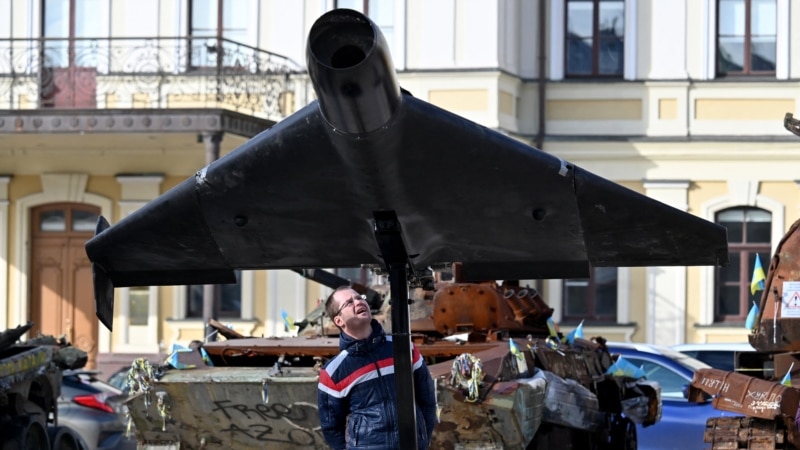
Analysts from the Institute for the Study of War (ISW) suggest that Ukraine’s extensive experience in repelling daily Russian missile and drone attacks could provide valuable lessons for U.S. allies in the Middle East. The report highlights the need for these allies to learn from Ukraine’s strategies, particularly in countering large-scale assaults involving Iranian-origin drones.
ISW references a statement by UK Prime Minister Keir Starmer, who expressed interest in involving Ukrainian experts in efforts to neutralize Iranian drones. In response, Ukrainian presidential advisor Oleksandr Kamyshin indicated that Ukraine is prepared to assist and share its expertise.
The report emphasizes Ukraine’s long-standing experience in defending against Russian attacks, which often involve hundreds of drones launched simultaneously. Ukrainian forces are particularly focused on countering the upgraded Shahed drones, which Russia has modified for enhanced range, endurance, and lethality. The report notes, “Ukraine is also adapting its multi-layered air defense system, integrating traditional air defense systems with mobile ground fire groups and interceptor drones in the air.”
Recent reports from Bloomberg indicate that Bahrain, Jordan, Kuwait, Qatar, and the United Arab Emirates intercepted a total of 385 Iranian missiles and 881 Iranian drones during the initial 48 hours of a U.S.-Israeli campaign against Iran, conducted on February 28 and March 1. These figures only account for the munitions intercepted by these five countries and do not include those that successfully hit their targets.
ISW recorded at least 58 confirmed strikes by Iranian drones between February 28 and the afternoon of March 2, although it cautioned that the actual number of strikes is likely much higher, as Gulf countries report these incidents differently.
On March 2, President Volodymyr Zelensky stated that Ukraine had not received direct requests from the UK or other nations for the involvement of Ukrainian experts in countering Iranian drones. He noted that Ukrainian drone operators and air defense personnel are “very experienced individuals” and that Ukraine is willing to share its knowledge.
Later that day, Zelensky told Bloomberg that Ukraine could send its top interceptor drone operators to assist Middle Eastern nations in the event of a ceasefire.
The joint operation by the U.S. and Israel resulted in significant casualties, including the death of Iran’s Supreme Leader Ayatollah Ali Khamenei and numerous other high-ranking officials within the Iranian regime during the first wave of strikes on February 28.
In retaliation, Iranian military forces launched missile and drone attacks not only against Israel and U.S. military installations in the region but also against several regional neighbors considered allies of the United States. Civilian targets, including residential buildings, hotels, and airports, were also affected, as were military installations of European nations present in the Middle East.
Ukraine's extensive experience in drone defense against Russian attacks is viewed as a potential asset for U.S. allies in the Middle East. The ongoing conflict has prompted discussions about sharing military expertise, particularly in countering Iranian drone threats.