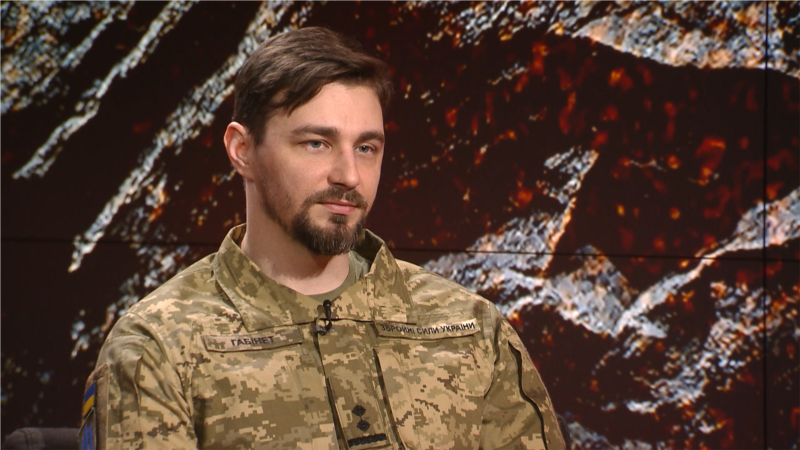
Recent statements from Ruslan Habinet, commander of the 5th Separate Heavy Mechanized Brigade, shed light on the increasing instances of unauthorized absence among newly enlisted soldiers in Ukraine’s military. Habinet noted that many of these cases occur within the first days of service, primarily due to anxiety over the unknown and abrupt changes in personal circumstances.
According to Habinet, the majority of these incidents involve recruits arriving from recruitment centers. He explained that the sudden transition from civilian life to military service can be overwhelming. “Many individuals are so abruptly taken from their normal lives that they see no alternative but to leave. For instance, there are cases of a single parent being called up, leaving their child alone at home. Naturally, they may choose to go AWOL,” he stated.
Another factor contributing to this issue, as highlighted by the commander, is the lack of experience among some leaders in managing personnel effectively. He emphasized the importance of recognizing changes in soldiers’ mental states and providing necessary support. “People need assistance in resolving their issues; they should not feel abandoned. This applies not only to veterans but also to active soldiers facing personal challenges. Some may hesitate to voice their concerns, perhaps due to a recent separation from a spouse or the loss of a loved one, leading to impulsive decisions to leave their units,” Habinet added.
Furthermore, Habinet reported that some soldiers who initially go AWOL later realize their mistake and seek to return. “There are instances where individuals leave, but after a week, they reach out to apologize and request to come back, understanding that they made a poor choice,” he noted.
Over the past year, the brigade has managed to reduce the number of unauthorized absences significantly, achieving a decrease of at least four times. This improvement has been attributed to changes in leadership and personnel within the brigade. “We replaced several commanders and other officials. Each soldier, whether in my brigade or others, is essentially a civilian who has been thrust into military service. Their success in fulfilling combat duties and their overall well-being largely depend on the effectiveness of their commanders. People have begun to understand what is expected of them,” Habinet concluded.
In January, Mykhailo Fedorov, prior to his confirmation as defense minister, indicated that approximately two million citizens were currently sought by authorities, with 200,000 classified as AWOL. The Office of the Prosecutor General previously reported that nearly 300,000 cases related to unauthorized absence and desertion had been initiated since the onset of the full-scale war in Ukraine, with the majority of cases being opened in 2025.
A March report from Radio Free Europe/Radio Liberty highlighted that soldiers willing to return to service after going AWOL are increasingly reluctant to do so due to the lack of choice in their assignments. Motivated individuals, particularly those with prior experience, are less inclined to return without the option to select their unit.
Recruiters noted that previously, units could engage directly with such individuals, providing motivation and guaranteeing placement in specific brigades or positions. However, a directive from the Commander-in-Chief of the Armed Forces of Ukraine, effective December 2025, has restricted the consideration of recommendation letters from units. The allocation of returning personnel now follows a quota system set by the General Staff, effectively removing the option for soldiers to choose their place of service. This policy shift has adversely affected recruitment efforts, as reported by Donbas Realities.
The 5th Separate Heavy Mechanized Brigade's commander discusses the rise in unauthorized absences among new recruits, attributing it to personal crises and inadequate leadership. Efforts to reduce these incidents have shown some success, but challenges remain, particularly regarding soldiers' return options.