The U.S. Senate has temporarily halted a Republican initiative to allocate federal funds for the construction of a new ballroom associated with former President Donald Trump. This decision comes amid broader budget negotiations that also address immigration and security issues.
According to reports, the White House and Republican leaders sought to include approximately $1 billion for security upgrades and the construction of a new East Wing, linked to the ballroom project, in a significant budget bill. However, Senate Parliamentarian Elizabeth MacDonough determined that the proposed expenditures did not comply with Senate budgetary rules.
Senate Minority Leader Chuck Schumer announced that his party successfully blocked the initial attempt by Republicans to advance this funding. He stated, “Republicans were trying to force taxpayers to fund a billion-dollar ballroom for Trump. Senate Democrats pushed back and thwarted their first attempt.”
Democratic Senator Jeff Merkley also criticized the proposal, labeling it as a form of “wastefulness.”
Despite these procedural setbacks, Republicans have indicated their intention to revise the legislation and resubmit it to the Senate. Ryan Vras, spokesperson for Senate Majority Leader John Thune, remarked that such practices are typical within the Senate’s budgetary process, stating, “Rewrite. Refine. Resubmit. This is not unusual under Byrd rule procedures.”
Democrats, on the other hand, have pledged to continue opposing the project.
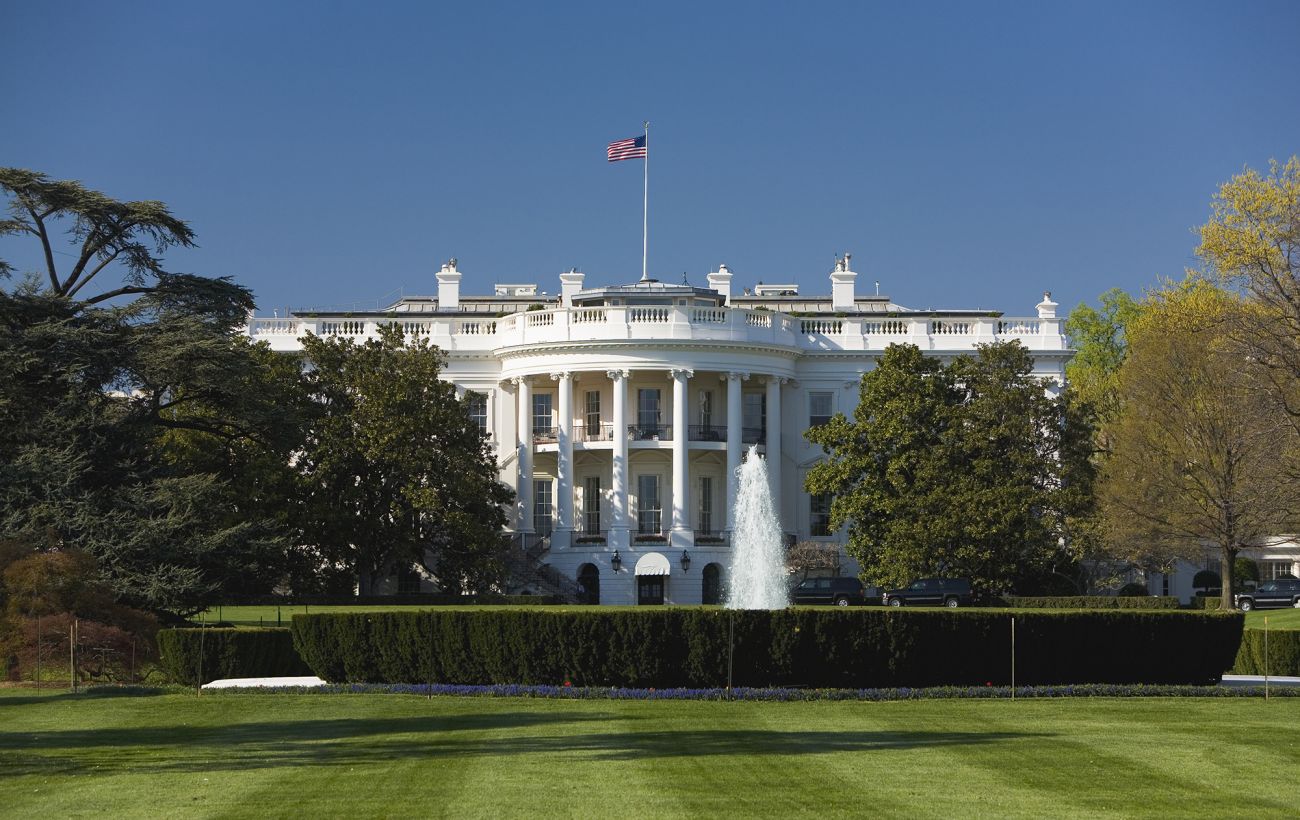
The proposed ballroom project is a substantial undertaking, estimated to cost $400 million, aimed at constructing a new facility on the site of the demolished East Wing of the White House. The new ballroom is designed to cover nearly 90,000 square feet.
It is noteworthy that on April 12, a U.S. Appeals Court ruled that construction of the new ballroom could proceed, but this permission was temporary, lasting only until April 17.
The U.S. Senate has blocked a Republican plan to fund a new ballroom for former President Trump, citing budgetary rule violations. Despite this setback, Republicans plan to revise and resubmit the proposal, while Democrats remain opposed.